China gold platform accused of collapse as users protest over alleged US$19B losses
Hundreds of investors across China have accused a Shenzhen-based private gold trading platform of collapsing after users were unable to withdraw funds or retrieve physical gold, triggering protests, police involvement and allegations of official cover-ups.
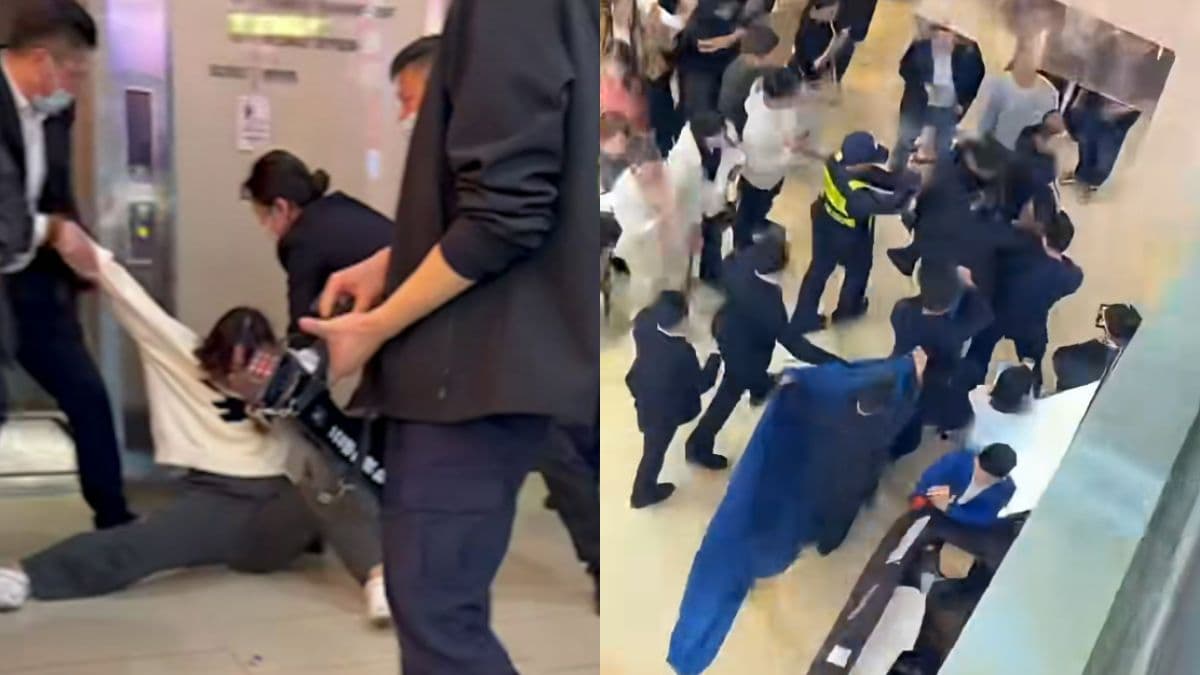
- Shenzhen gold trading platform "Jie Wo Rui" allegedly collapsed, blocking withdrawals and access to physical gold, with losses claimed to reach 133 billion yuan.
- More than 100 victims protested in Shenzhen; clashes with police occurred, with allegations of official shielding and pressure to accept partial compensation.
- Jieworui offered 20% cost-only payouts, which victims rejected; the owner denied wrongdoing, claimed he was “set up,” and asked for time to resolve the issue.
CHINA: A private online gold trading platform in China has come under intense scrutiny after users reported being unable to withdraw funds or retrieve physical gold holdings, with the alleged losses reaching as high as 133 billion yuan (approximately US$19.1 billion).
The platform, known as "Jie Wo Rui" (杰我睿), operates both online and through offline counters in Shenzhen’s well-known Shuibey Gold Market, one of China’s largest gold trading hubs.
The controversy erupted following a sharp surge in gold prices on 21 January, when prices rose by more than 2 per cent in a single day, attracting a wave of trading activity. Shortly after, users began reporting withdrawal delays, failed cash-outs and an inability to retrieve physical gold purchased through the platform.
Multiple users told local reports that Jie Wo Rui’s capital chain had broken, effectively freezing assets held by customers nationwide.
Nationwide Complaints and Police Reports
Victims from cities including Yiwu, Shanghai, Wuhan, Hangzhou and Beijing have since formed rights‑protection groups and filed police reports across the country. However, many said local police told them jurisdiction lay in Shenzhen, where Jie Wo Rui is registered.
One user from Yiwu, surnamed Lou, said she had been using Jie Wo Rui since 2024, attracted by its lower processing fees compared with physical gold counters and its promise of flexible gold trading.
On 21 January, she placed an order to have 172 grams of gold she held on the platform made into a bracelet. While the order was accepted, she soon discovered she could no longer withdraw nearly 20,000 yuan (approximately US$2,875) remaining in her account.
“I trusted the platform because it looked big and legitimate. I never imagined something like this could happen,” Lou said.
To date, she has been unable to retrieve either her gold or her remaining balance.
Protest at Shuibey Gold Market
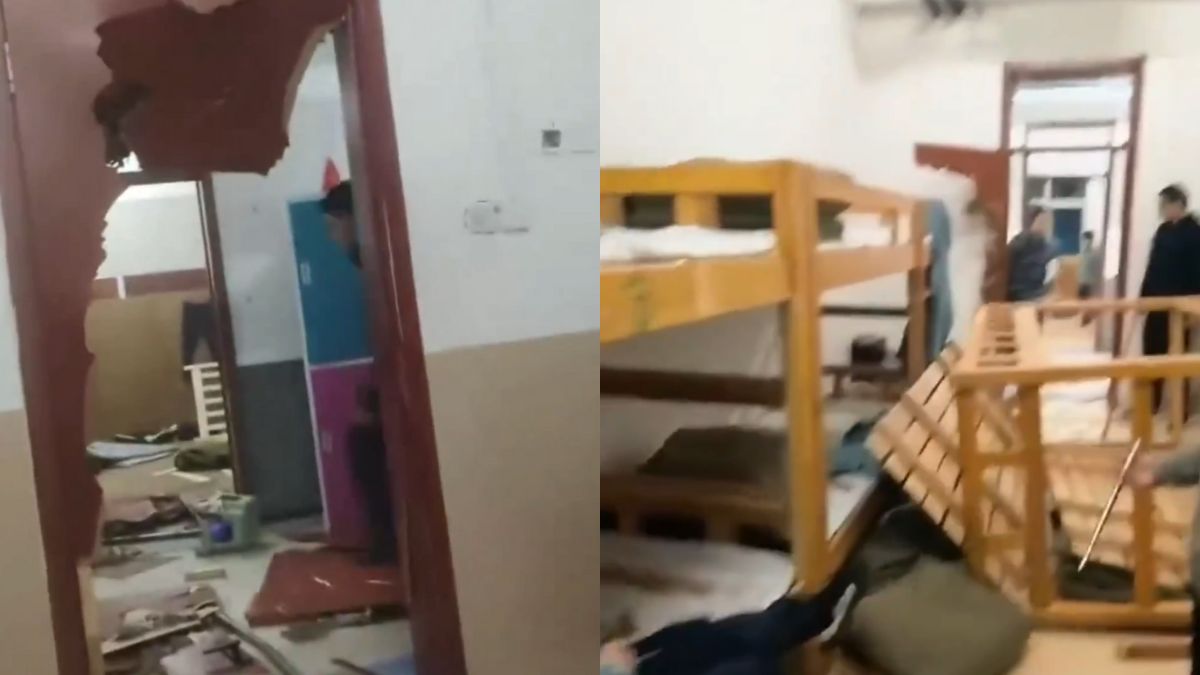
On 27 January, more than 100 affected users gathered outside Jie Wo Rui’s offline counter at Shuibey Jinzhuo Building in Shenzhen, demanding refunds and compensation.
Videos obtained by local reports show police officers maintaining order at the scene, while clashes broke out between officers and protesters. Several victims claimed they were forcibly removed from the building.
A victim surnamed Su alleged that she was dragged into an elevator by staff under police instruction, suffering injuries to her arm.
“I was shaking uncontrollably. They pulled me so hard that I got hurt,” she said tearfully.
Footage circulating online also shows other protesters being carried away by police, while officers used blue cloth barriers to block public view. Outside the building, heated confrontations broke out, with officers urging the crowd not to “cause a disturbance”.
Some users in rights‑protection chat groups claimed that “police beat people,” though these allegations have not been independently verified.
Allegations of Official Protection
Further controversy erupted after victims circulated photos of a police officer surnamed Hao, identified as being from the Cuizhu Police Station, alleging that he had personal ties to Jie Wo Rui and its owner.
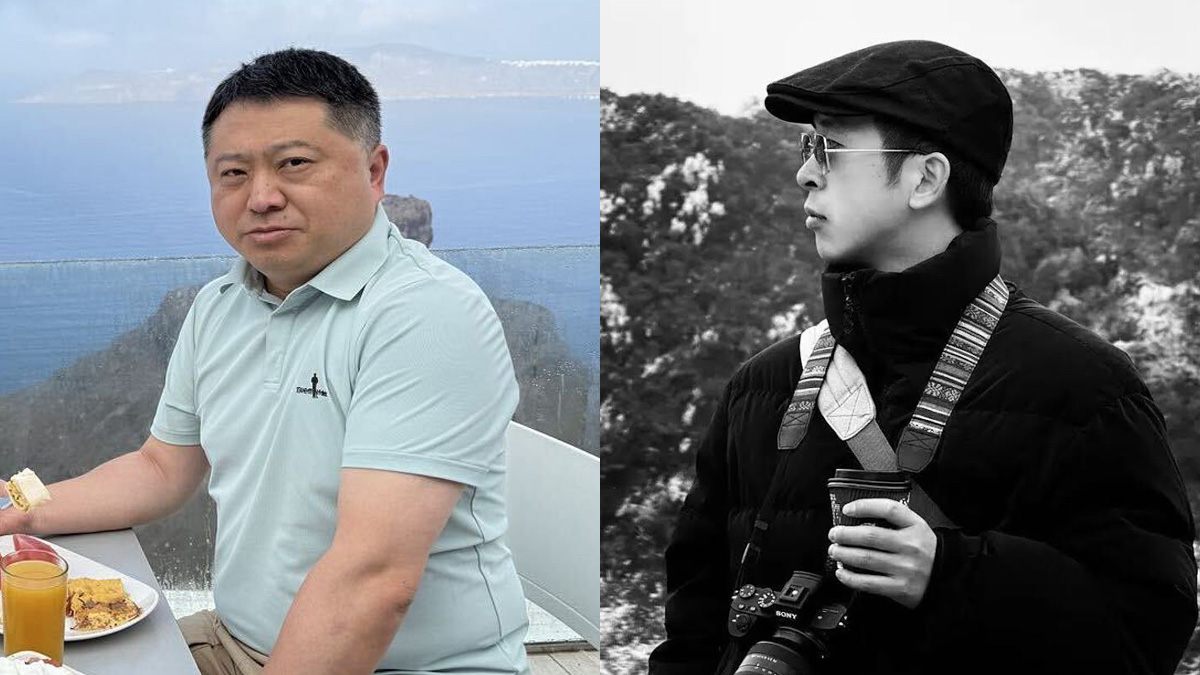
Some users claimed the officer appeared in family photos with Jie Wo Rui’s boss, Zhang Zhilong, and accused him of acting as a “protective umbrella” for the company.
Su alleged that the officer reassured protesters that Jie Wo Rui was “operating normally” and proposed a compensation plan involving 500 yuan (approximately US$71) per day plus one gram of gold beans, while urging users to accept partial compensation.
In one video, the officer was heard saying: “Under the current circumstances, even a bad solution is better than no solution. If everyone demands full compensation, the company won’t survive. This situation needs time.”
Some protesters responded angrily, accusing him of siding with the company rather than the victims.
Authorities Allegedly Decline to File Case
Several victims said they attempted to seek help from the Shenzhen Petition Office, the Luohu Criminal Investigation Brigade, and other authorities, but were repeatedly turned away.
“Shenzhen is suppressing this case because the amount involved is too large,” Su claimed.
Lou echoed this, saying local police in Shenzhen refused to formally file a case, despite reports being lodged nationwide.
Disputed Compensation Plan
According to victims, Jie Wo Rui has proposed compensating users at 20 per cent of their original cost, excluding any profits made from gold trading.
“For my 50 grams of gold, I’d only get about 9,000 yuan (approximately US$1294) back,” Su said. “If we sign a settlement agreement, we’re afraid we won’t even get that.”
Many users have rejected the proposal, fearing it could leave them with nothing.
Platform Still Operating
Despite the controversy, Jie Wo Rui’s WeChat mini‑program, “Jincheng Gold World”, remains operational.
The platform claims users can withdraw up to 500 yuan (approximately US$71) per day, urging customers to trust its “blood‑generating capacity”.
Promotional messages continue to advertise zero‑processing‑fee gold manufacturing, assuring users that funds and materials are “dedicated and not misappropriated”.
One message stated: “This is still a civil matter. Even if lawsuits pile up, no one will go to jail.”
Owner Responds
On the evening of 27 January, Jie Wo Rui’s owner Zhang Zhiteng released a video addressing the incident.
He denied wrongdoing, saying he had been “set up” and insisted he would not flee.
“Please don’t believe rumours or spread rumours. Give me time. This matter is too big — how could I possibly run away?” he said.
“I’m sorry for the harm caused. I will bear the consequences I deserve.”
Zhang also explained that rights‑protection chat groups were disbanded out of concern that people were “inciting trouble”.
As of publication, no official announcement has been made regarding a formal criminal investigation.
Victims continue to call for intervention from higher‑level authorities, including the Shenzhen Public Security Bureau and the Guangdong Provincial Public Security Department.
For now, thousands of investors remain in limbo, uncertain whether they will ever recover their funds or physical gold.