Hong Kong media group condemns Jimmy Lai verdict, warns of lasting threat to press freedom
Hong Kong Media Overseas has condemned the 20-year sentence handed to Apple Daily founder Jimmy Lai, warning the ruling marks a severe erosion of press freedom and the criminalisation of journalism under the national security law.
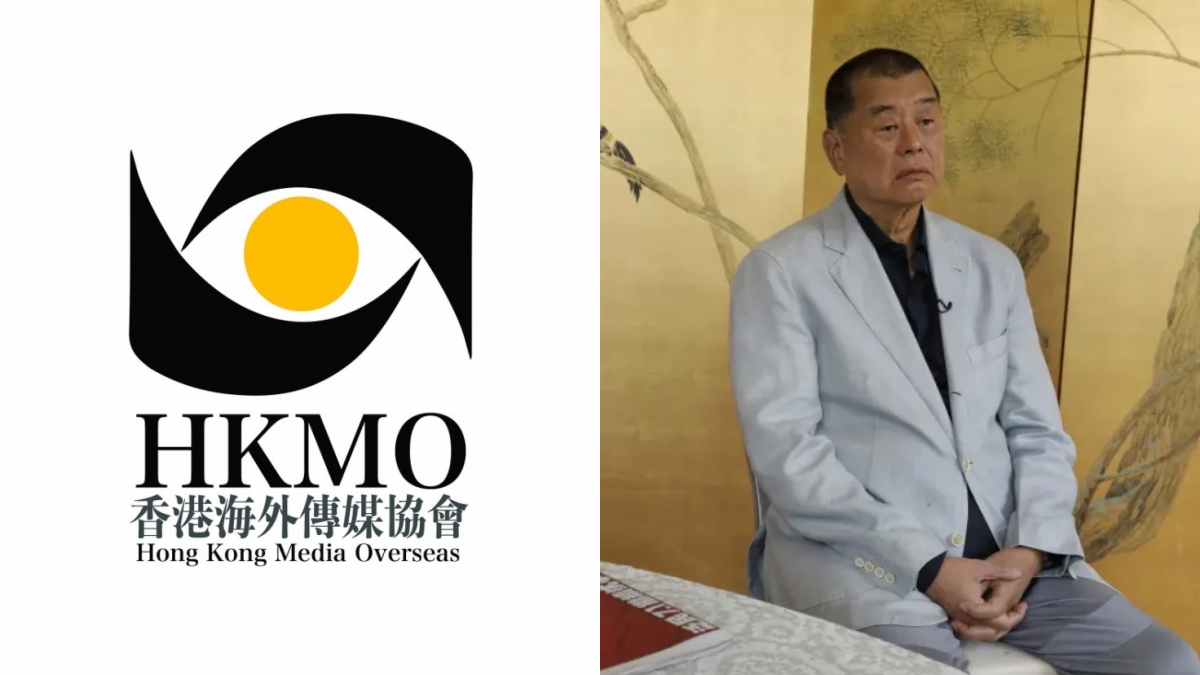
- Hong Kong Media Overseas condemned the 20-year sentence imposed on Jimmy Lai.
- The group said the ruling criminalises routine journalistic practices, undermining press freedom and the rule of law.
Hong Kong Media Overseas (HKMO) has issued a strong condemnation of the verdict and sentencing of media tycoon Jimmy Lai, warning that the case represents a fundamental assault on press freedom and the rule of law in Hong Kong.
In a statement, the media group said the ruling against Lai demonstrated a failure to uphold fair trial principles and revealed a serious misunderstanding of journalism and its professional practices.
HKMO said the case posed a “far-reaching and substantive threat” to the free flow of information, adding that it marked a symbolic collapse of press freedom in the city.
Sentencing concludes landmark national security trial
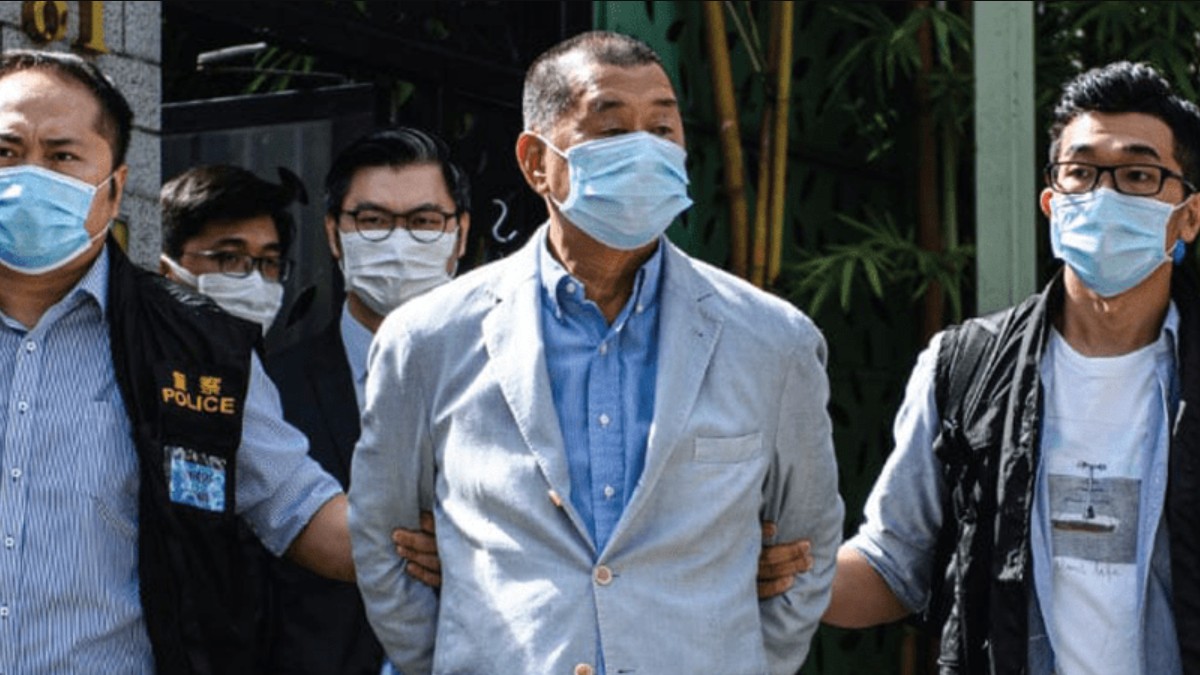
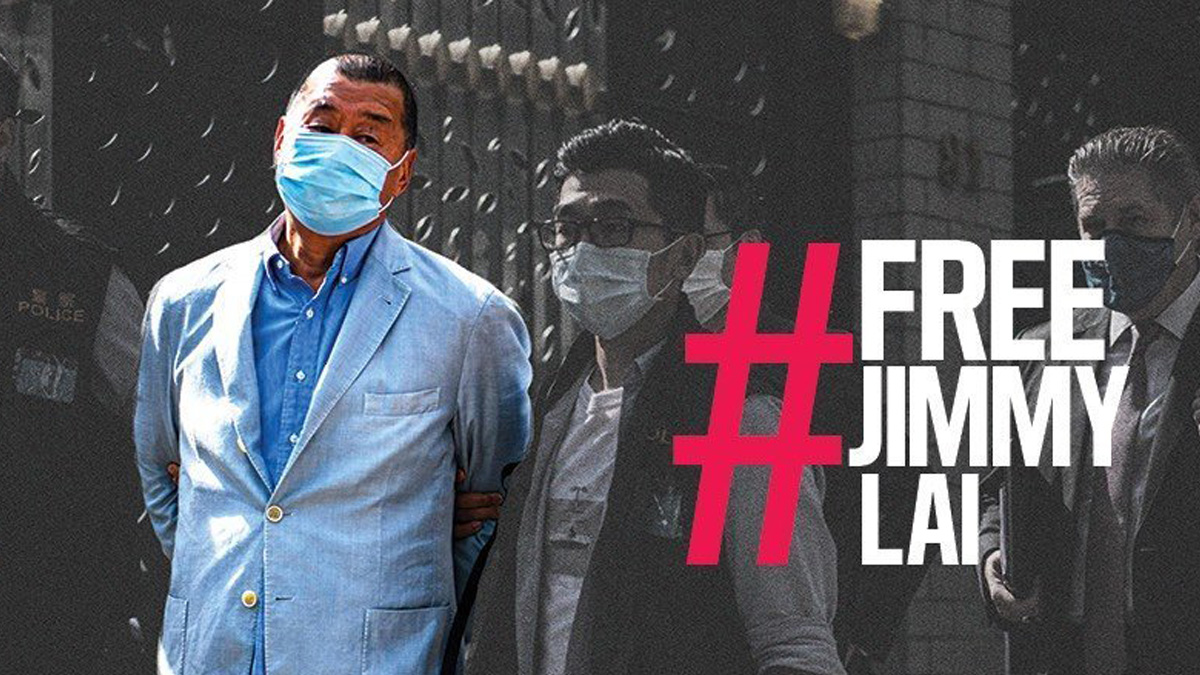
On 9 February 2026, Hong Kong’s High Court sentenced Lai to 20 years in prison, concluding one of the most closely watched national security trials since the law was imposed in 2020.
The 78-year-old founder of the now-defunct Apple Daily newspaper was convicted of two counts of foreign collusion under the national security law and one count of seditious publication.
The verdict was delivered by a panel of three judges, following a trial that had drawn sustained international scrutiny and diplomatic pressure.
Prolonged detention raises rule of law concerns
Lai has been detained since December 2020 and has already spent more than five years in custody while proceedings unfolded.
HKMO described the prolonged detention as an abuse of legal procedure, arguing that it exposed the authorities’ use of fear and incarceration to punish speech.
The group said Lai’s imprisonment had become emblematic of the erosion of civil liberties and media freedom under the national security framework.
Health fears and treatment in custody
The statement also raised concerns about Lai’s health, citing reports of improper treatment in custody and questioning whether he could physically withstand such a lengthy sentence.
HKMO said these concerns further underscored the human cost of the case and the severity of the punishment imposed.
HKMO argued that the charges against Lai were improperly constructed, particularly the offence of “conspiracy to collude with foreign forces”.
It noted that the case also implicated several former senior executives and editors of Next Digital and Apple Daily.
Those named included former chief executive Cheung Kim-hung, former deputy publisher Chan Pui-man, former editor-in-chief Law Wai-kwong, and several former senior editors.
The group warned that criminalising editorial decisions, commentary and reporting amounted to placing the public’s right to know on trial alongside journalists.
HKMO said such prosecutions blurred the line between legitimate journalistic work and criminal conduct.
Alarm over interpretation of foreign collusion
HKMO said it was particularly alarmed by the court’s interpretation of external engagement by media organisations as evidence of foreign collusion.
The judgment characterised contacts with overseas media, international organisations, scholars and the wider global audience as criminal conduct.
According to HKMO, this reasoning blurred the boundary between journalism and political activity, effectively criminalising standard professional practices.
The group said this reflected a failure by the judiciary to properly understand the role of the media in a global information environment.
It stressed that journalism is inherently cross-regional and transnational, involving the exchange and verification of information across borders.
Warning over Hong Kong’s international reputation
Treating such activities as criminal, HKMO warned, departs from international standards on press freedom and creates a chilling effect across the media sector.
The group said the ruling risked forcing widespread self-censorship and undermining society’s access to diverse and comprehensive information.
It warned that the consequences would extend beyond individual cases to the broader public sphere.
Joseph Ngan, chair of HKMO, said the judgment threatened the foundations upon which Hong Kong had built its international reputation.
He warned that if such rulings became precedent, they would damage not only individual journalists but also the public’s right to scrutinise power.
“When courts fail to distinguish journalistic professionalism from the imagined concept of ‘foreign forces’, Hong Kong’s core values are at stake,” Ngan said.
International reaction and diplomatic pressure
International press freedom organisations echoed similar concerns following the sentencing.
Reporters Without Borders said the verdict would resonate far beyond Lai himself, sending a decisive signal about the future of press freedom in Hong Kong.
Rights groups and foreign governments had repeatedly called for Lai’s release ahead of sentencing, citing concerns over due process and human rights.
Lai’s family and legal team have warned that his continued imprisonment poses serious health risks.
Lai holds British citizenship, prompting repeated statements from London urging fair treatment and respect for fundamental rights.
United States President Donald Trump has also publicly called for Lai’s release, adding to diplomatic pressure from Washington.
According to Reporters Without Borders, at least 900 journalists lost their jobs in the four years following the enactment of the national security law.
Press freedom advocates argue that Lai’s conviction underscores a broader transformation of Hong Kong’s media landscape.
They say the case illustrates how legal boundaries for reporting and commentary have been reshaped since 2020.
Hong Kong officials have rejected such assessments, maintaining that the national security law targets only a narrow range of activities deemed to threaten national security.
They insist that press freedom remains protected under the law.
Call for judicial reconsideration
HKMO has called on the judiciary to re-examine the wider implications of the ruling for press freedom.
It urged courts handling media-related cases to give full consideration to the professional nature of journalism and internationally recognised standards.
The group also urged the HKSAR government to genuinely safeguard freedom of the press and refrain from further narrowing lawful journalistic space through judicial interpretation.
HKMO said it would continue to monitor related cases and maintain communication with international media and human rights organisations.
It warned that without press freedom, society loses the foundation necessary for truth and rational public judgment.