Jimmy Lai sentenced to 20 years in jail in Hong Kong national security case
Hong Kong has sentenced media tycoon Jimmy Lai to 20 years in prison over foreign collusion and seditious publication, drawing international condemnation and raising renewed concerns over press freedom under the national security law.
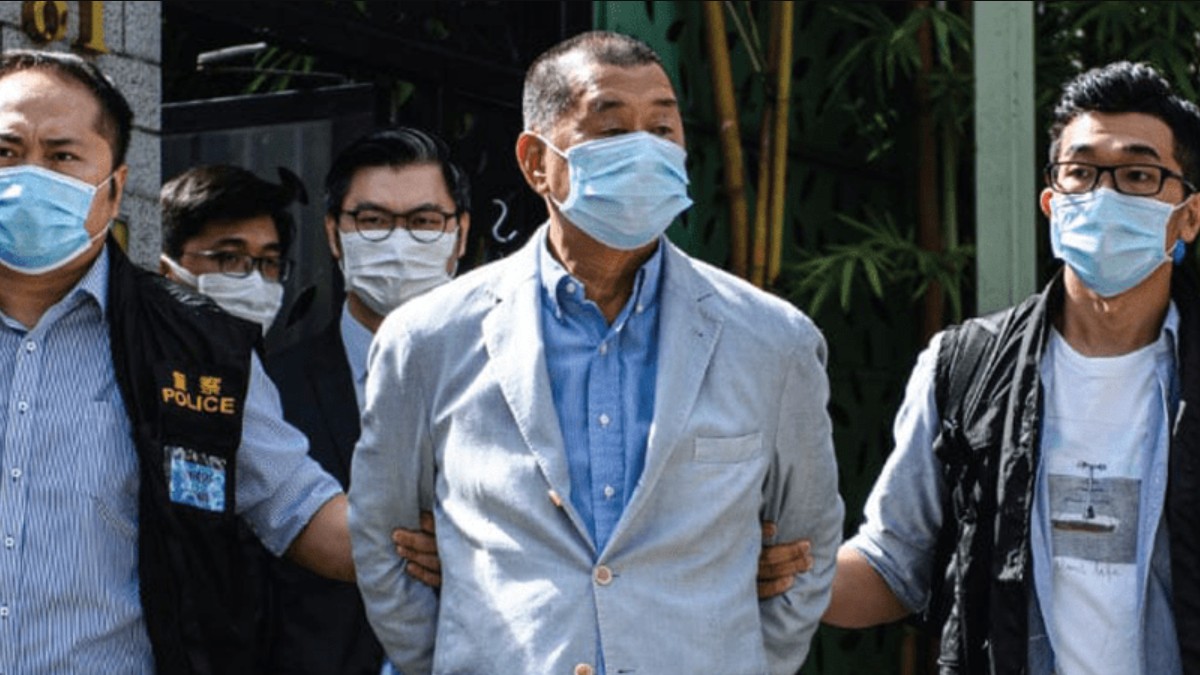
- Pro-democracy media tycoon Jimmy Lai has been sentenced to 20 years in prison by a Hong Kong court.
- The conviction relates to foreign collusion and seditious publication under the national security law.
- Western governments and press freedom groups have condemned the case, while Beijing has rejected the criticism.
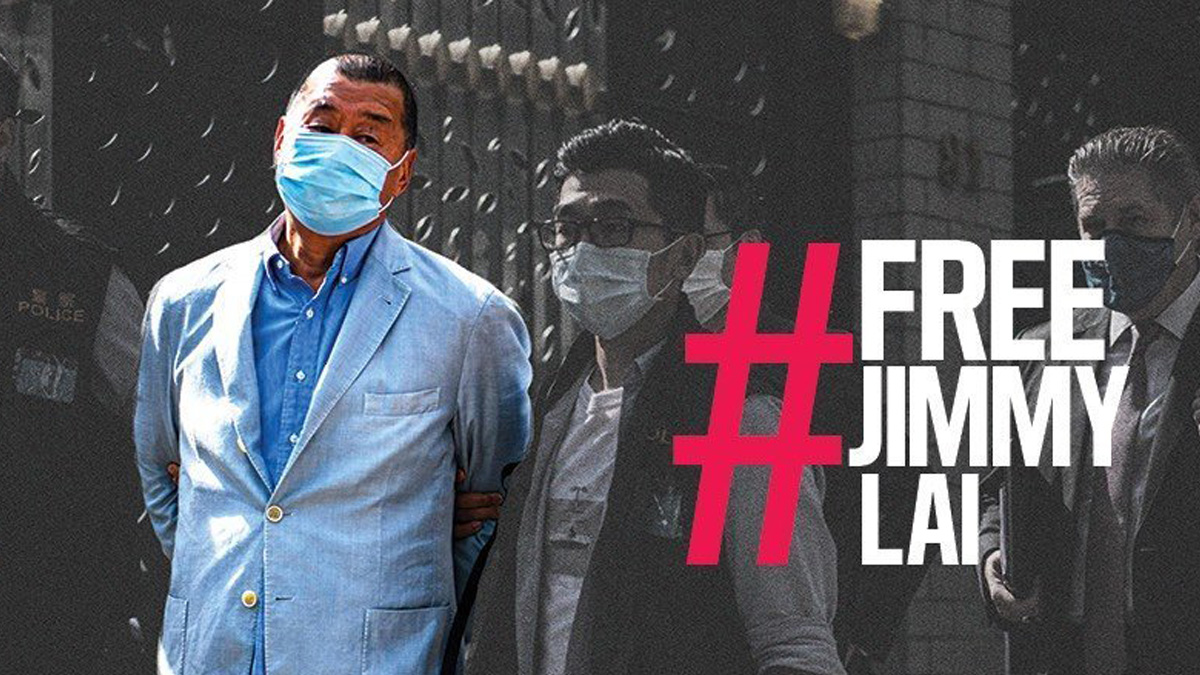
A Hong Kong court has sentenced pro-democracy media tycoon Jimmy Lai to 20 years in prison, concluding one of the most closely watched national security trials since the law was imposed on the city.
The 78-year-old founder of the now-defunct Apple Daily newspaper heard the sentence from three High Court judges on 9 February 2026, after being convicted on charges of foreign collusion and seditious publication.
Lai was found guilty in December on two counts of foreign collusion under the national security law imposed by Beijing in 2020, as well as one count of seditious publication.
He has already spent more than five years in custody while the trial progressed, meaning a significant portion of the sentence has effectively already been served.
The case has drawn sustained international attention, with Western governments and rights organisations repeatedly calling for Lai’s release ahead of sentencing.
According to statements issued before the verdict, several governments described the prosecution as politically motivated and incompatible with press freedom guarantees once enjoyed in Hong Kong.
The Committee to Protect Journalists said Lai’s trial “has been nothing but a charade from the start and shows total contempt for Hong Kong laws that are supposed to protect press freedom”.
Reporters Without Borders said the sentencing “will resonate far beyond Jimmy Lai himself, sending a decisive signal about the future of press freedom in the territory”.
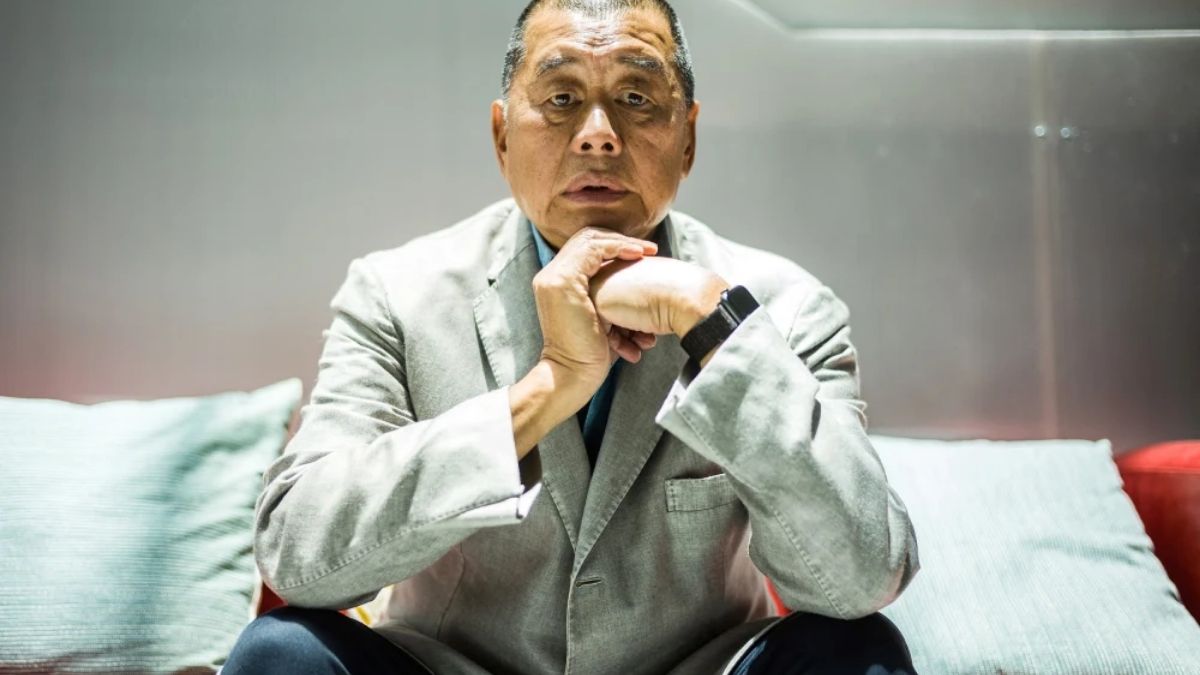
Lai’s family and legal team have warned that his continued imprisonment poses serious health risks.
Supporters say Lai suffers from heart palpitations and high blood pressure, raising concerns that he may not survive a lengthy prison term.
“He is of advanced age and in fragile health,” one supporter said previously, urging authorities to show compassion.
In addition to Lai, six former senior Apple Daily staff members, an activist and a paralegal are also scheduled to be sentenced on the same day, extending the case’s impact beyond its central figure.
Apple Daily, once one of Hong Kong’s most widely read newspapers, shut down in 2021 after its assets were frozen and senior executives were arrested under the national security law.
Authorities have consistently argued that the case is unrelated to journalism and concerns criminal acts that endangered national security.
In response to international criticism, Beijing has accused foreign governments and organisations of attempting to smear Hong Kong’s judicial system.
Hong Kong authorities have maintained that Lai’s prosecution “has nothing to do with freedom of speech and of the press”.
Security was visibly heightened around the West Kowloon court ahead of sentencing.
Dozens of police officers and an armoured vehicle were deployed outside the building as journalists and members of the public gathered nearby.
According to Hong Kong Free Press, police detained a woman after discovering an Apple Daily keychain in her possession.
At least two other activists were searched, including Tsang Kin-shing, a member of the now-disbanded League of Social Democrats.
“We hope that [Lai] can regain his freedom,” Tsang told AFP news agency. “I am worried, because of his advanced age.”
The case has also become a diplomatic issue between China and Western governments.
United Kingdom Prime Minister Keir Starmer said he raised Lai’s situation during a meeting with Chinese leader Xi Jinping in Beijing in January 2026, describing the discussion as “respectful”.
Lai holds British citizenship, a factor that has prompted repeated statements from London urging fair treatment and respect for human rights.
United States President Donald Trump has also publicly called for Lai’s release, adding to pressure from Washington.
The sentencing comes amid broader concerns about shrinking space for independent journalism in Hong Kong.
The Hong Kong Journalists Association said in 2024 that dozens of journalists faced “systematic and organised” harassment, including leaked personal data and death threats.
According to Reporters Without Borders, at least 900 journalists lost their jobs in the four years following the enactment of the national security law.
Press freedom groups argue that Lai’s conviction underscores a wider transformation of Hong Kong’s media landscape.
They say the case demonstrates how the national security law has reshaped legal boundaries for reporting and commentary in the city.
Hong Kong officials reject that assessment, insisting the law targets only a narrow range of activities that threaten national security.