Air India under investigation for operating aircraft eight times without required safety certificate
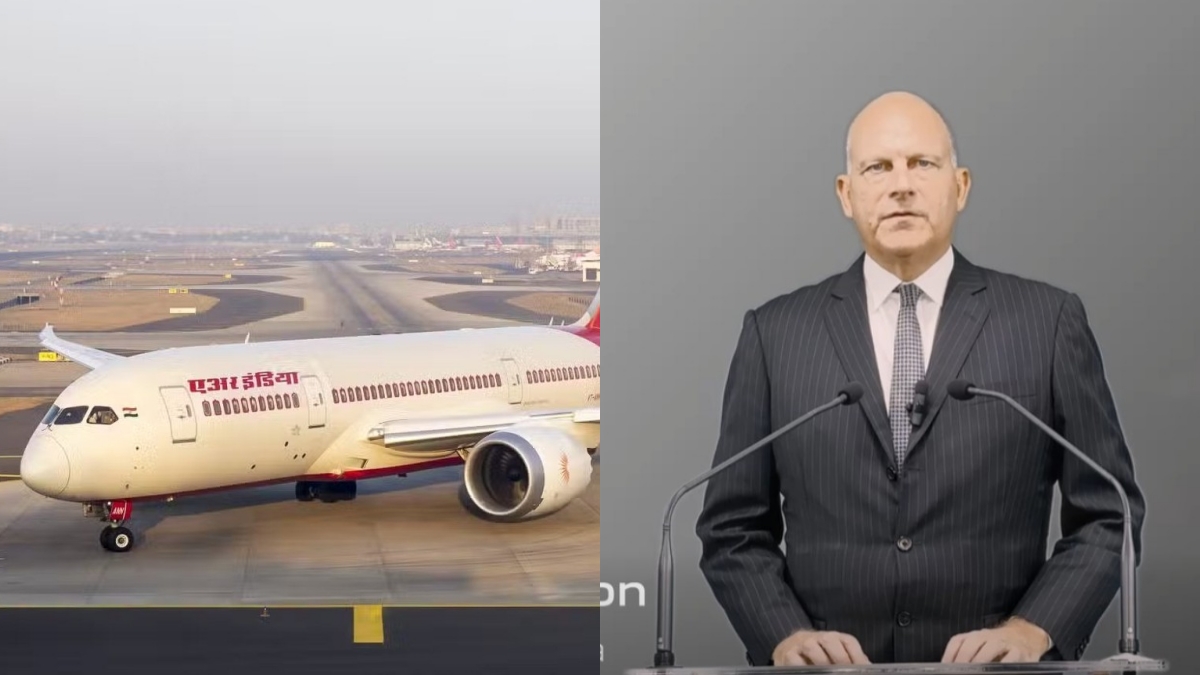
India’s aviation regulator has launched an investigation after Air India operated an Airbus A320 on eight flights without a valid airworthiness review certificate, intensifying scrutiny of the flag carrier’s safety and governance standards.
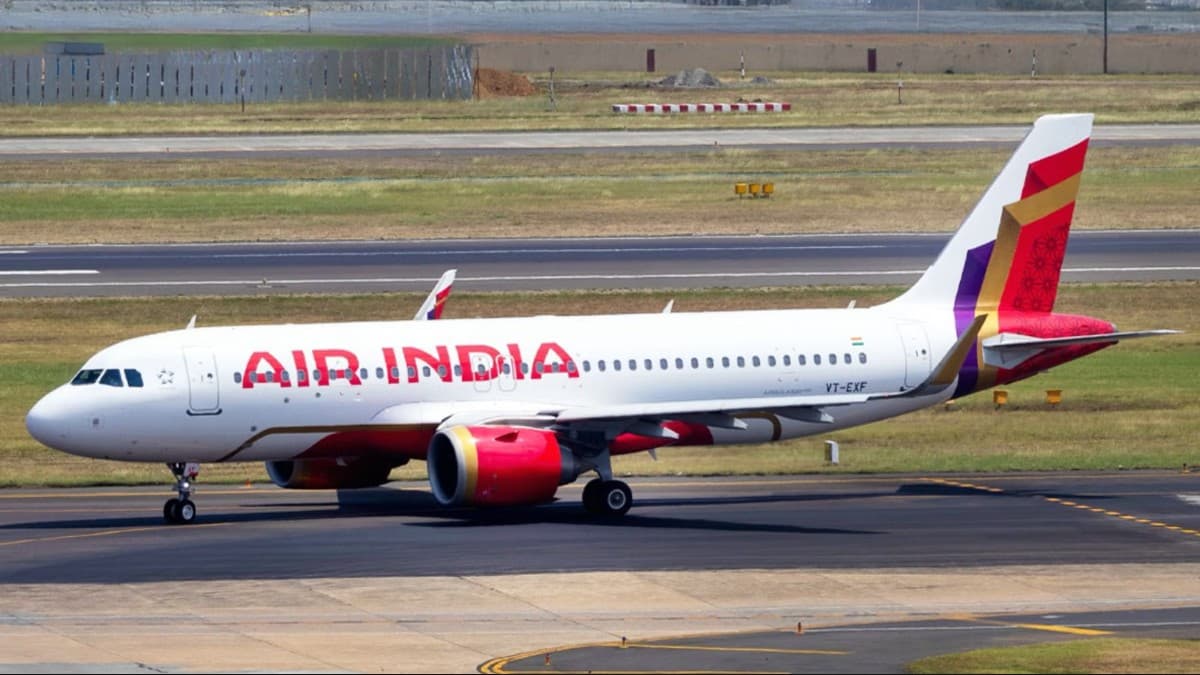
- India’s regulator is investigating Air India for operating an Airbus A320 on eight flights without a valid airworthiness review certificate.
- The lapse follows earlier warnings and multiple safety findings highlighted in government and audit reports.
- Air India and shareholder Singapore Airlines face escalating financial pressures amid operational scrutiny.
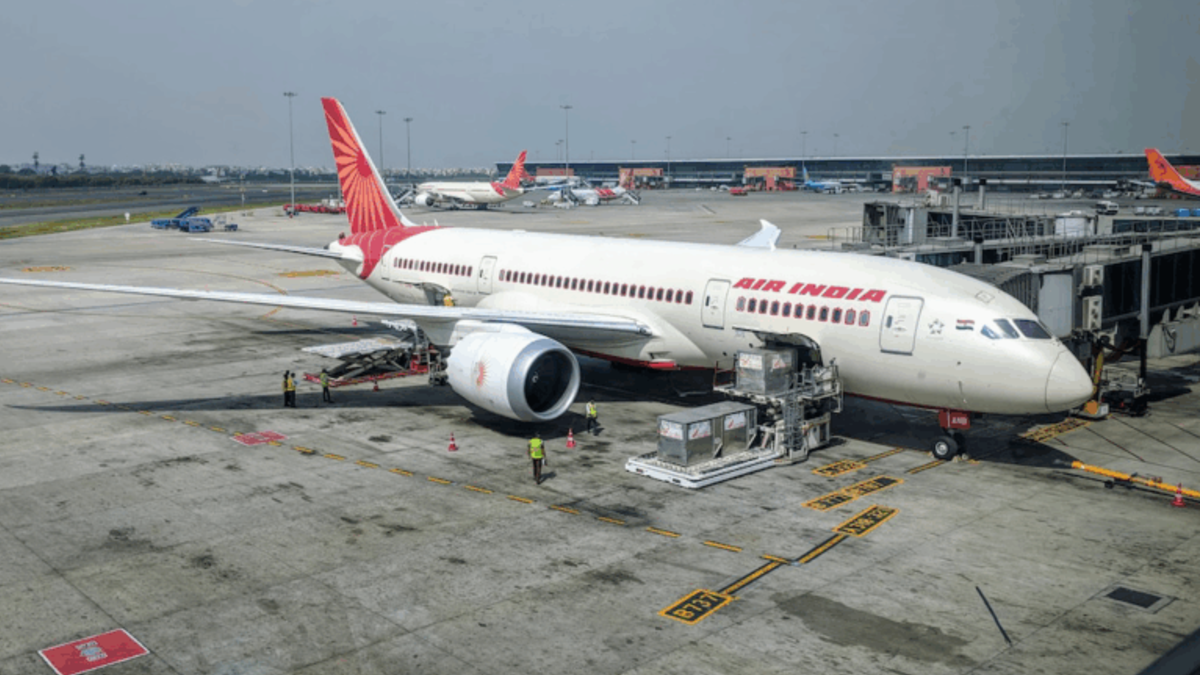
India’s aviation regulator has opened an investigation into Air India after the carrier operated an aircraft on eight services without a valid airworthiness review certificate.
According to the Directorate General of Civil Aviation, the A320 flew on 24 and 25 November 2025 despite its certificate having expired.
The DGCA said on 2 December 2025 that the aircraft had since been grounded and involved personnel suspended pending investigation.
A person familiar with the matter confirmed that the regulator’s release referred to an Airbus A320, whose registration was included in the title of the notice.
The agency stated that Air India itself notified the lapse on 26 November 2025.
In its statement, the regulator added that the airline had been instructed to conduct an internal review to identify systemic weaknesses and prevent recurrence.
An Air India spokesperson said the incident was “regrettable”, noting that staff responsible had been suspended pending further review.
The airworthiness review certificate is renewed annually following an assessment of maintenance records, aircraft condition and regulatory compliance.
The DGCA explained that the aircraft had been grounded for an engine change during which the certificate expired, but was mistakenly released to service after the work.
The agency added that it had delegated certificate issuance to Air India, though first clearances for former Vistara aircraft have been retained by the DGCA since the 2024 merger.
This case adds to a series of safety-related concerns raised through 2025.
The regulator issued a warning in July over crew fatigue management and training deficiencies.
According to a government report seen by Reuters, an annual audit later found 51 safety lapses, including incomplete pilot training, use of unapproved simulators and inadequate rostering.
The airline has also faced heightened scrutiny since the fatal crash of an Air India Boeing Dreamliner on 12 June 2025 in Gujarat, which killed more than 270 people, including 241 passengers and crew.
India subsequently ordered inspections of the airline’s Boeing 787 fleet.
Separately, Air India has faced financial impacts arising from Pakistan’s airspace ban on Indian carriers.
In November, a separate governance lapse emerged when a Boeing 737-2A8F, registration VT-EHH, was discovered abandoned at Kolkata Airport after being missing from the airline’s asset records for more than a decade.
Airport officials contacted Air India after noticing the derelict aircraft, prompting an internal audit.
The 43-year-old jet had been grounded for over 13 years and had disappeared from fixed-asset registers years before Air India’s privatisation in 2022.
Meanwhile, pressures have intensified for Singapore Airlines, which holds 25.1 per cent of Air India following the Vistara merger.
According to SIA’s financial disclosures, second-quarter earnings for FY2026 fell by 82.1 per cent due largely to Air India-related losses.
The airline also reported a 58.8 per cent drop in first-quarter net profit, reflecting similar impacts.
SIA began accounting for Air India’s performance from December 2024 after the merger was completed.
For the first half of FY2026, its share of associates’ losses, excluding contributions from SIA Engineering, amounted to S$428 million.
In the comparable period a year earlier, the group had recorded a S$3.2 million profit.
SIA has so far invested S$988.9 million in Air India through equity payments and post-merger capital injections.
Bloomberg reported in October that Air India is seeking a fresh 100 billion-rupee (approximately S$1.45 billion) capital injection from shareholders.
If SIA participates fully, its total investment in Air India could reach about S$1.37 billion.
The DGCA said it expects Air India to “plug gaps in its system” as investigations continue, adding further pressure on the airline amid regulatory scrutiny and financial strain.