Tata scouts new Air India CEO as SIA co-owned carrier struggles to recover after deadly 2025 crash
Tata Group has started scouting for a new chief executive at Air India, citing slow recovery and persistent losses following a deadly June 2025 crash, with the decision also affecting shareholder Singapore Airlines’ financial performance.
- Tata Group has begun searching for a new Air India chief executive amid frustration over slow recovery and continued losses.
- The move follows a deadly June 2025 crash and missed operational break-even targets.
- Singapore Airlines’ earnings have been significantly affected due to its 25.1 per cent stake in Air India.
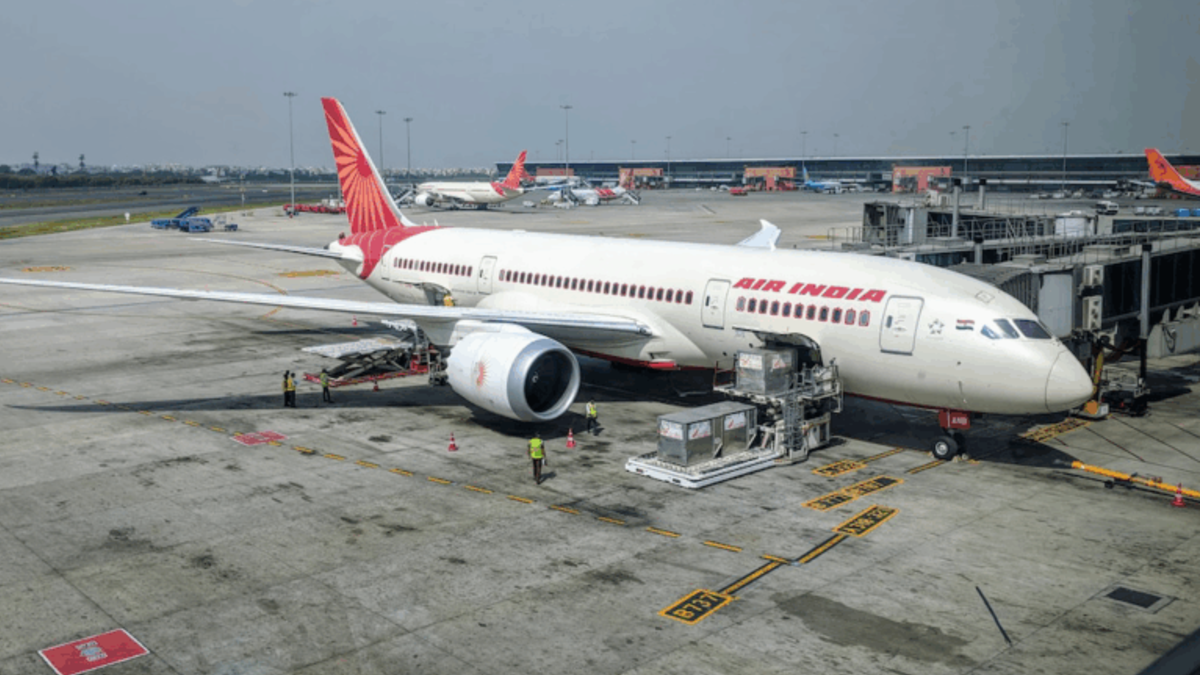
The Tata Group has begun searching for a new chief executive for Air India, as patience wears thin over the carrier’s slow recovery and persistent losses following a deadly crash in 2025, according to people familiar with the matter cited by Bloomberg.
The discussions signal growing concern within Tata’s leadership over the pace of the airline’s turnaround, more than three years after the group took back control of the national carrier.
Tata’s patience tested as turnaround falters
Air India remains under financial and operational strain despite extensive restructuring efforts.
According to the people, current chief executive Campbell Wilson will not be offered an extension when his contract expires in mid-2027.
Tata Group chairman N. Chandrasekaran has already held initial discussions with potential successors.
The candidates under consideration reportedly include executives with experience running large airlines, particularly those with significant domestic operations.
Such expertise is seen as critical as Air India continues to rebuild its core network and operational reliability.
Local newspaper The Economic Times first reported on 5 January that Tata Group was considering a leadership change at Air India.
Bloomberg later confirmed the discussions, citing people with knowledge of the matter.
A key factor behind the decision is Air India’s inability to meet its target of breaking even operationally by 31 March.
According to the people, missing this milestone has weighed heavily on Tata’s assessment of the current management.
Fatal Dreamliner crash deepens operational and regulatory scrutiny
The airline’s turnaround plans were further derailed by a fatal crash involving a Boeing 787 Dreamliner in Ahmedabad in June 2025.
The accident killed more than 241 passengers and crew, marking one of the deadliest aviation disasters in India in recent years.
The cause of the crash has not yet been definitively established. Investigative agencies typically have up to a year to complete their findings, with a final report expected by around June.
According to Bloomberg, any formal announcement of a new chief executive is likely to come only after the release of the crash report. This timing reflects the sensitivity surrounding leadership changes while investigations remain ongoing.
Wilson, a New Zealander aged 53, joined Air India in July 2022 from Scoot Airlines.
He was appointed after Tata’s earlier preferred candidate, former Turkish Airlines chief Ilker Ayci, declined the role.
Singapore Airlines earnings hit by Air India losses
Air India is 25.1 per cent owned by Singapore Airlines following the merger with Vistara.
The Indian carrier’s financial struggles have had a material impact on the Singapore airline’s earnings.
According to Singapore Airlines’ financial disclosures, second-quarter earnings for FY2025 fell by 82.1 per cent, largely due to losses associated with Air India. First-quarter net profit declined by 58.8 per cent for similar reasons.
Singapore Airlines began accounting for Air India’s performance from December 2024, after the Vistara merger was completed. For the first half of FY2025, its share of associates’ losses amounted to S$428 million.
In the comparable period a year earlier, the group had recorded a profit of S$3.2 million. Singapore Airlines has so far invested S$988.9 million in Air India through equity payments and post-merger capital injections.
People familiar with the matter said Singapore Airlines has also been supporting Air India’s restructuring by helping transition aircraft maintenance services in-house, as part of efforts to improve efficiency and control costs.
Bloomberg reported in October 2025 that Air India was seeking a fresh capital injection of 100 billion rupees, or about S$1.45 billion, from its shareholders to shore up its balance sheet.
Sector-wide pressures add to Air India’s challenges
The challenges facing Air India come amid broader instability in India’s aviation sector.
Larger rival IndiGo is awaiting regulatory scrutiny after mass flight cancellations in December stranded around half a million passengers.
Those cancellations were triggered by pilot shortages and software glitches, according to reports.
Together, Air India and IndiGo account for nearly nine in ten domestic seats in India.
Industry observers have raised concerns that India’s infrastructure and regulatory systems may be struggling to keep pace with the rapid growth in air travel in the world’s third-largest domestic aviation market.
External factors have also weighed on Air India’s performance.
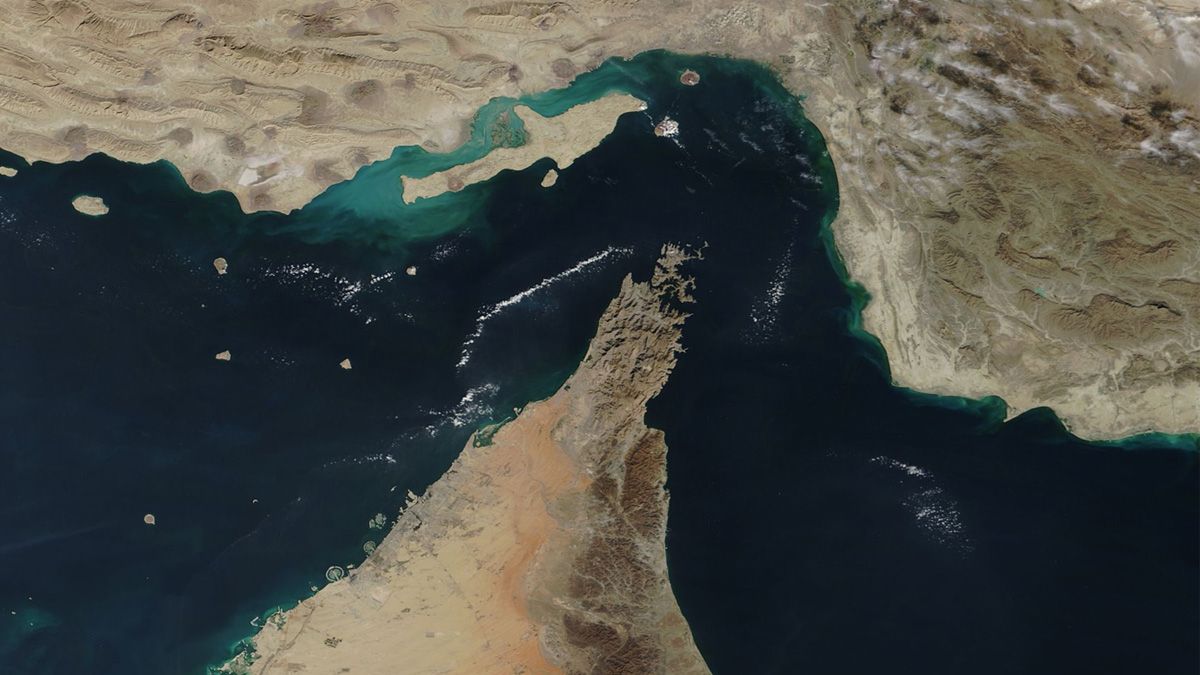
Supply chain disruptions have delayed aircraft deliveries, while Pakistan’s closure of airspace to Indian carriers has forced longer and more costly flight routes.