Call to abolish UN veto power gains support from rights groups on Human Rights Day
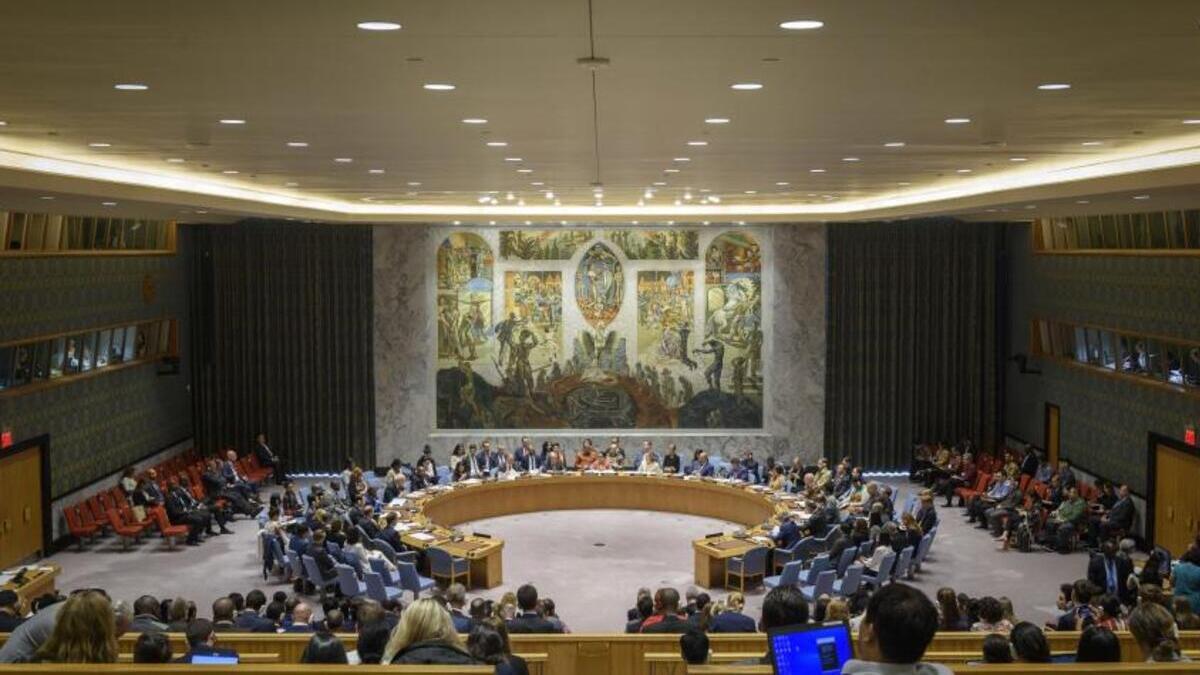
A coalition of 19 groups from across Asia, the UK and the US has jointly urged the United Nations to abolish the Security Council’s veto power, calling it a major obstacle to meaningful human rights protection.
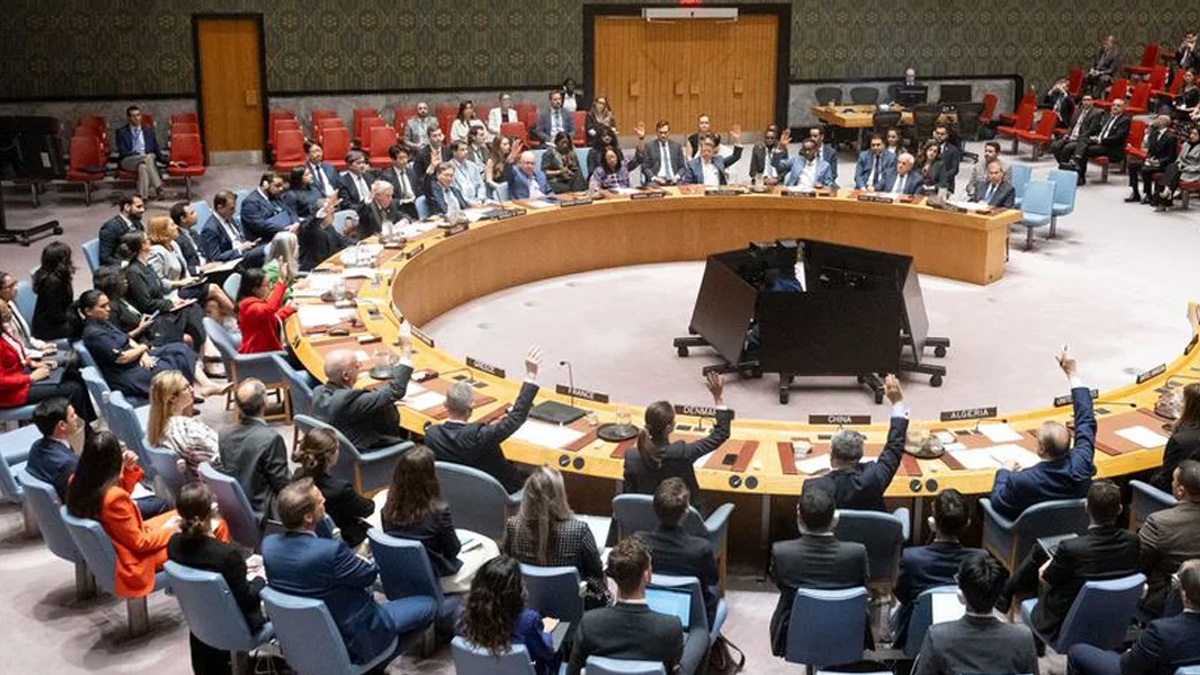
- 19 rights groups urge the UN to abolish veto power, citing failures to act on major crises.
- They argue the veto violates the UN principle of sovereign equality and hinders human rights protection.
- The statement calls for a moratorium on veto use and reform via Article 108 of the UN Charter.
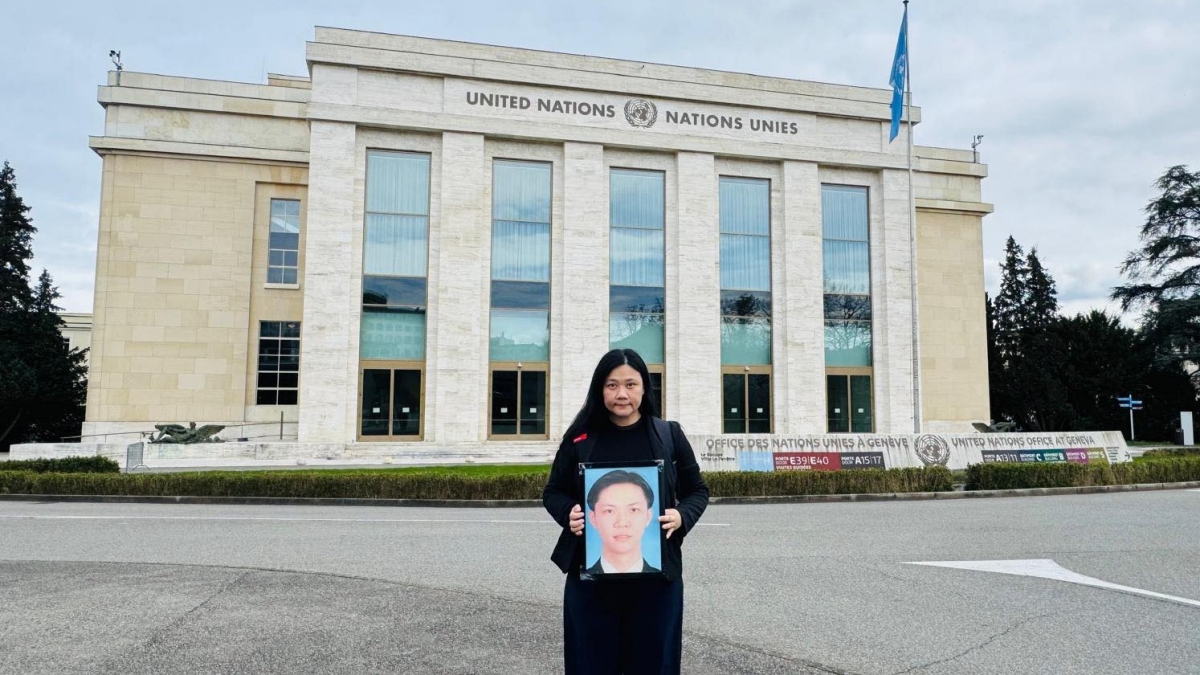
On 10 December 2025, to mark World Human Rights Day, a coalition of 19 organisations, including rights groups, trade unions, and civil society networks from Asia, Europe and the United States, issued a joint statement urging the United Nations to abolish the veto power held by the five permanent members of the Security Council.
The statement, spearheaded by Malaysians Against Death Penalty and Torture (MADPET), asserts that the veto has obstructed the UN from fulfilling its human rights mandate and undermines the principle of sovereign equality as enshrined in Article 2(1) of the UN Charter.
The veto, held by Russia, China, France, the United States and the United Kingdom, allows any one of these countries to unilaterally block Security Council action, even when supported by a majority of member states.
According to the statement, this has directly prevented timely intervention in numerous human rights crises, including the ongoing conflict in Gaza, the persecution of the Rohingya in Myanmar, and the war in Ukraine.
Quoting Malaysian Prime Minister Anwar Ibrahim’s 2024 keynote at the Common Action Forum, the groups recalled his statement that the Security Council has become “an instrument of deadlock” rather than a vehicle for action.
The coalition further contended that the veto enables states with poor human rights records or alliances with veto-holding powers to act with impunity, effectively shielding them from scrutiny or intervention.
They emphasised that the UN must be able to take decisive action—such as imposing sanctions or deploying peacekeeping forces—not only to protect victims but to enforce justice and secure restitution for displaced communities.
The statement underscores that while the abolition of the veto is difficult, it remains legally possible under Article 108 of the UN Charter. This provision allows for amendments to the Charter if supported by two-thirds of the General Assembly and ratified by all five permanent members of the Security Council.
However, this requirement also means any single veto-wielding member can block the reform. The groups urged these five states not to oppose the initiative and to show leadership by embracing reform and agreeing to a moratorium on the use of the veto during the process.
In a strong call to action, the coalition asked all UN member states to “vote without fear or favour” in support of abolishing the veto power. They described it as a necessary step to restore democratic values and credibility to the UN system.
The 19 signatories include organisations from Malaysia, India, Pakistan, Cambodia, the United Kingdom, and the United States. Alongside MADPET, signatories include Parti Sosialis Malaysia (PSM), the Teoh Beng Hock Association for Democratic Advancement, Global Women’s Strike (UK and US), Legal Action for Women (UK), Centre for Orang Asli Concerns (Malaysia), and the Center for Alliance of Labor and Human Rights (Cambodia).
The full list of organisations also includes trade unions such as the Sabah Timber Industry Employees Union (STIEU) and the National Union of Transport Equipment & Allied Industries Workers (NUTEAIW).
The coalition’s position aligns with long-standing calls from global civil society for reform of the UN Security Council, particularly in light of increasing geopolitical tensions and humanitarian emergencies where the Council has been perceived as ineffective or paralysed.
They concluded by reaffirming their support for a United Nations that genuinely protects “the dignity and worth of the human person,” as originally envisioned in its Charter.