Iran rallies mark 1979 revolution anniversary with burning of ‘Baal’ effigy
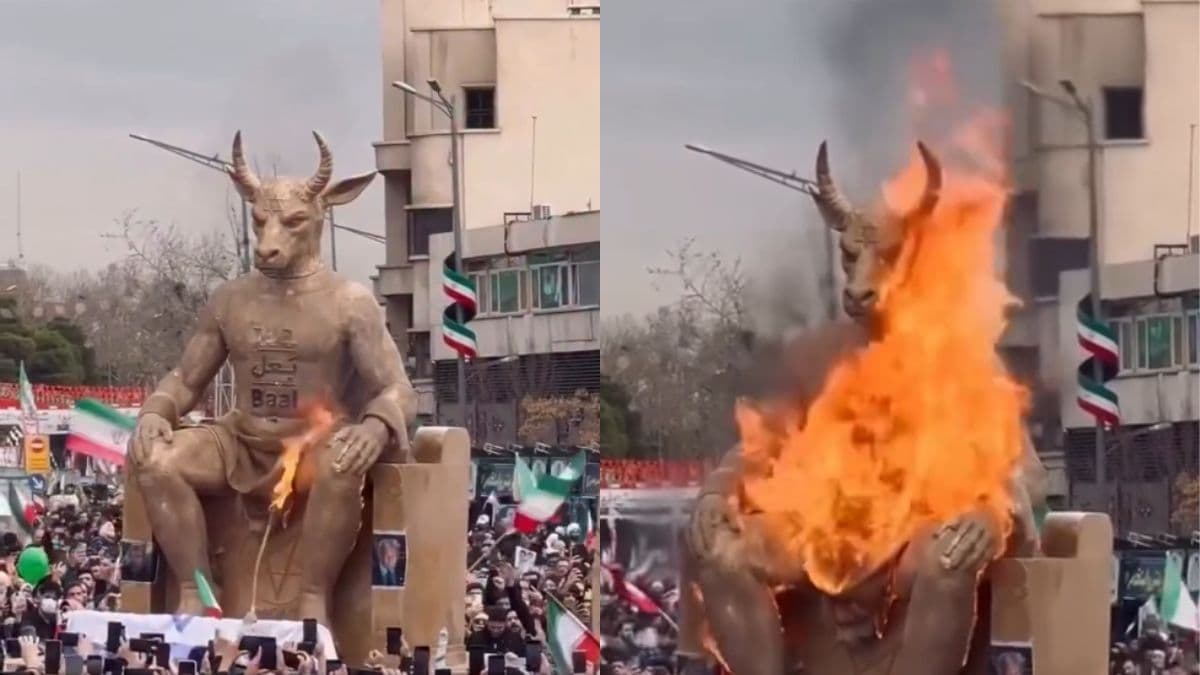
Iran marked the 47th anniversary of its Islamic Revolution with nationwide rallies, including the burning of a “Baal” effigy carrying anti-Israel and anti-US symbolism. The imagery drew attention for its links to online conspiracy narratives.
- State-organised rallies marked the 47th anniversary of the 1979 Islamic Revolution across Iran.
- Demonstrators burned a “Baal” effigy featuring anti-Israel and anti-US symbolism.
- The imagery drew links to online conspiracy narratives and wider regional tensions.
Iran marked the 47th anniversary of its 1979 Islamic Revolution on Wednesday, 11 February, with state-organised rallies across the country, as demonstrators burned an effigy identified as “Baal” and chanted anti-Israel and anti-United States slogans during mass gatherings in Tehran and other major cities.
Under the banner of “22 Bahman”, marking the date of the revolution’s victory, crowds filled central squares in Tehran and provincial capitals, waving Iranian flags and participating in choreographed displays organised by state bodies.
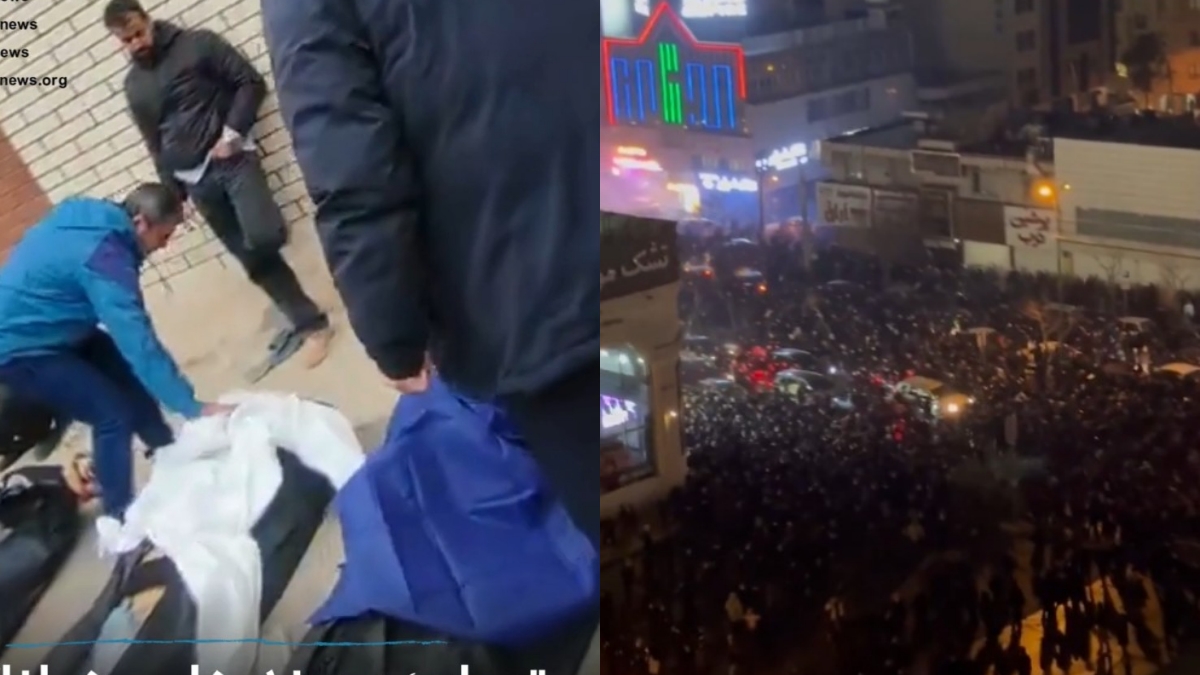
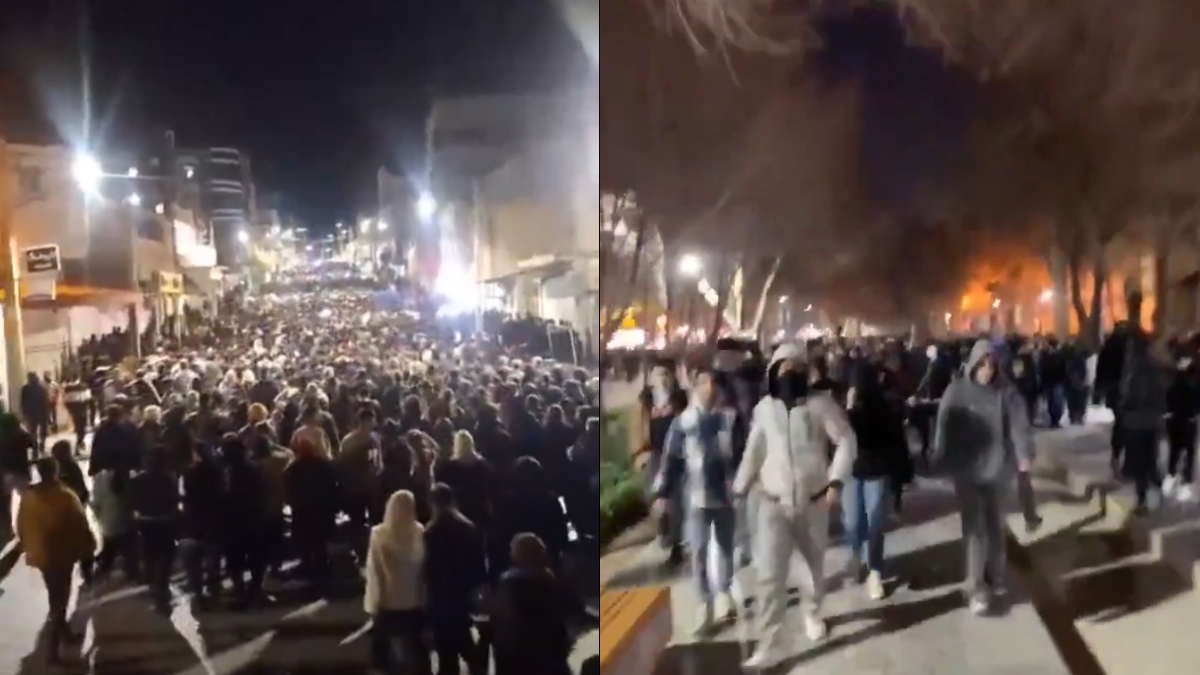
Footage circulated on Iranian social media showed large crowds chanting “Death to Israel” and “Death to America”, alongside images of effigies and flags set ablaze. Iranian state media framed the rallies as demonstrations of national unity against what it described as foreign pressure and “imperial powers”.
Burning of ‘Baal’ Effigy Draws Attention
A focal point of the rallies was the burning of a large horned, bull-headed statue labelled “Baal”, an ancient deity referenced in religious texts. Images showed the effigy marked with the Star of David, while some versions also included the number “666” and references to US President Donald Trump.
According to Iranian news agency Mehr, the statue represented “the idol of Baal”, described as a false deity associated with deviation from monotheism. Participants quoted by Iranian outlets said the act symbolised resistance to what they characterised as corrupt Western systems and Zionist ideology.
The coordinated burnings were reported in several cities, including Tehran, where a giant effigy was set alight in Azadi Square.
Symbolism Linked to Online Conspiracy Narratives
According to reporting by Iran International, hardline outlets and affiliated channels linked the burning of the Baal effigy to renewed online conspiracy theories surrounding the late financier Jeffrey Epstein, who was charged in 2019 with sex trafficking offences involving underage girls and later died in jail.
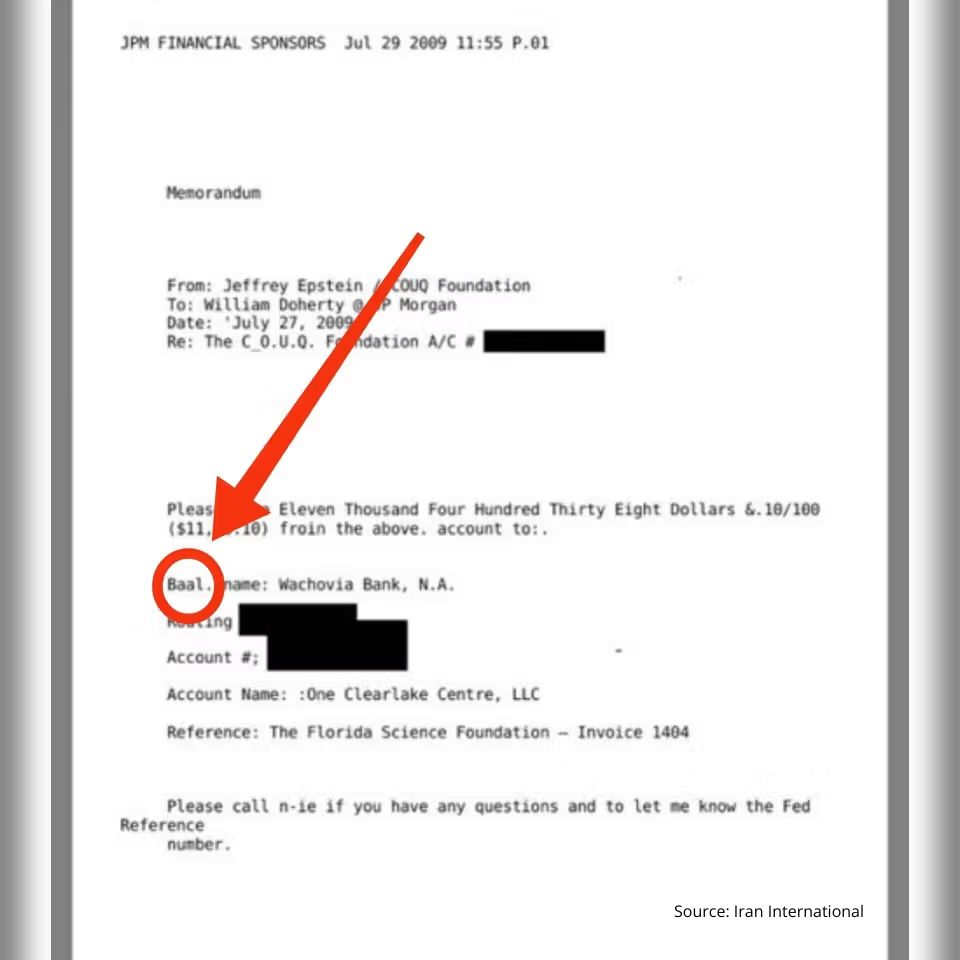
Some organisers and commentators claimed the imagery referenced allegations circulating online that seek to associate Western elites with ancient deities such as Baal or Moloch. Fact-checkers and mainstream media have previously reported that many such claims stem from misinterpretations of financial documents or longstanding internet conspiracy theories.
Broader Anti-US and Anti-Israel Messaging
The effigy burning formed part of wider anniversary events featuring anti-US and anti-Israel symbolism. Iranian media showed mock coffins draped in US flags bearing the names of senior American military commanders, alongside displays of Iranian missiles and fragments of drones reportedly downed during previous confrontations.
President Masoud Pezeshkian addressed crowds in Tehran, calling for unity and accusing foreign powers of conspiring against Iran. In remarks broadcast by state television, he said Iran was not seeking nuclear weapons and was open to dialogue, while criticising what he described as longstanding Western mistrust.
Regional Tensions and Domestic Context
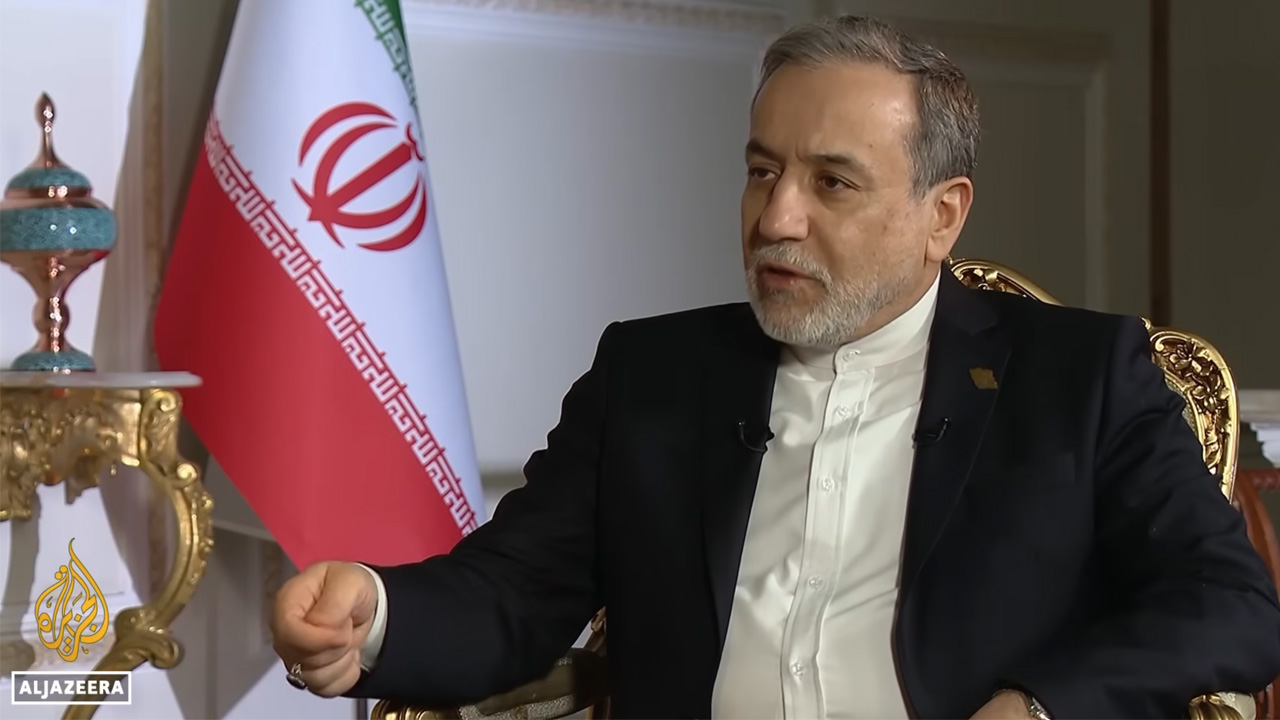
The anniversary rallies took place amid heightened tensions between Iran, Israel and the United States following recent regional conflicts. According to Al Jazeera, the demonstrations were also intended to signal public support for Iran’s leadership during a period of economic strain and political pressure.
While state television showed hundreds of thousands attending pro-government rallies, previous weeks had seen protests over inflation and currency depreciation, which authorities had forcefully suppressed.
While Iranian organisers described the burning of the Baal statue as a symbolic protest highlighting alleged moral corruption in the West, some Iranian clerics and online users questioned whether the use of ancient religious imagery risked unintended or provocative interpretations.
The blending of religious symbolism with contemporary political messaging, critics warned, could inflame religious hostility beyond Iran’s borders.