Panama demolishes Chinese canal monument, prompting strong complaints from Beijing and domestic backlash
The demolition of a monument honouring Chinese contributions to the Panama Canal has triggered strong condemnation from Panama’s president and Beijing, highlighting growing geopolitical tensions surrounding the strategic waterway.
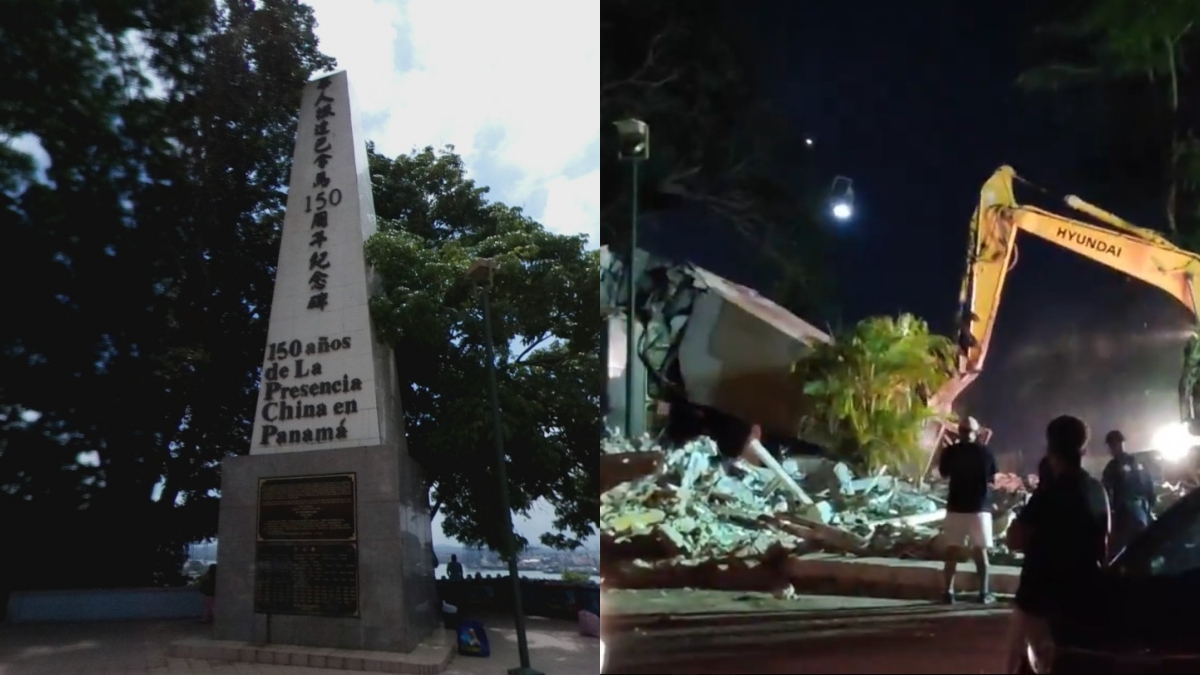
- A monument commemorating China’s historical contributions to the Panama Canal was demolished on 27 December 2025 by local authorities in Arraiján, sparking domestic and international outrage.
- Panama’s president condemned the demolition as unjustified and ordered the monument’s immediate restoration, while China demanded an investigation and sanctions.
- The incident has fuelled speculation over geopolitical pressure linked to renewed United States rhetoric on control and influence over the canal.
A monument commemorating China’s contributions to the construction of the Panama Canal was demolished late on 27 December 2025 near the canal’s Pacific entrance, triggering sharp criticism from Panamanian leaders, China, and members of the local Chinese community.
The monument, located near the Bridge of the Americas in the locality of Arraiján, was torn down on the orders of the mayor’s office, according to official statements and video footage circulated widely on social media platforms.
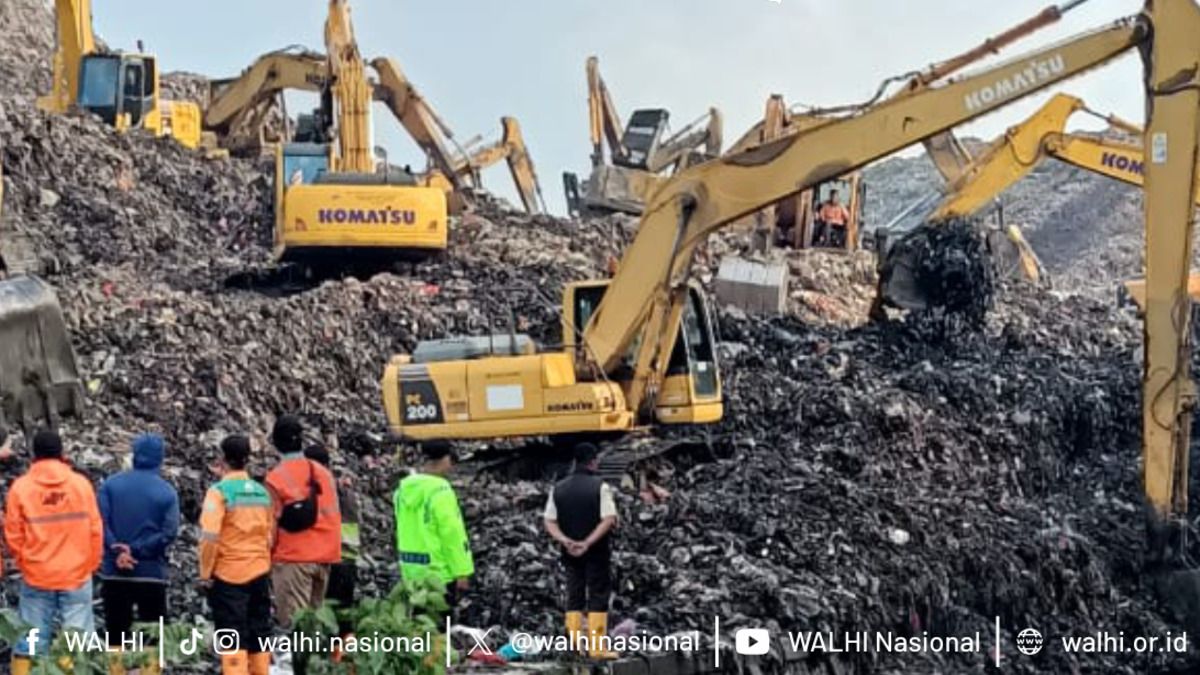
Videos showed large excavators dismantling the structure during the night, while police blocked access to the site as members of the Chinese community attempted to intervene, according to footage shared online.
By the following morning, construction workers were clearing debris from the site. The only remnants visible were two broken stone lions placed by the roadside where the monument once stood.
Monument symbolised decades of Chinese contribution
Built in 2004, the monument symbolised friendship between Panama and China and commemorated approximately 150 years of Chinese presence in the country.
It also honoured Chinese migrants who helped build railways and the Panama Canal during the 19th and early 20th centuries.
The mayor’s office of Arraiján said in a statement that the structure had been demolished due to structural damage that posed a public safety risk, describing the action as a preventive measure.
Panamanian President Jose Raul Mulino rejected that justification, describing the demolition as an unjustifiable act. After visiting the site, he said there was “no justification whatsoever for the barbarity committed,” calling it “an unforgivable act of irrationality”.
The backlash from former presidents, political leaders, and civil society figures prompted the national government to order the immediate restoration of the monument in its original location, according to official statements.
Beijing condemns act, calls for investigation and sanctions
China responded forcefully to the incident.
The Ministry of Foreign Affairs in Beijing said on 29 December 2025 that it “deplores the forced demolition” carried out by Panamanian local authorities, according to a statement posted on X.
The ministry said the monument stood as a witness to the “time-honoured friendship between China and Panama” and to the contributions of Chinese workers who travelled overseas in the 19th century to help build the Twin Ocean Railway and the Panama Canal.
China’s ambassador to Panama, Xu Xueyuan (徐學淵), personally inspected the site following the demolition. In a public statement, the ambassador described the incident as a “great pain for bilateral friendship”.
“This monument, which held 171 years of life, blood, and dedication from the Chinese community, has been shattered to pieces,” Xu wrote, adding that it was an insult to the estimated 300,000 Chinese-Panamanians living in the country.
In a video statement, the Chinese embassy in Panama called for a “thorough investigation” and urged authorities to “severely sanction” what it described as “illegal, improper and vandalistic” actions.
Local reaction was also strong.
According to local media reports, both Panamanian and Chinese residents expressed anger over the demolition. Some members of the Chinese community staged protests at the site, while several businesses announced temporary closures in protest.
Panamanian tour guide Jaime Bustos said he was shocked when he arrived at the site with a group of Italian tourists.
He described the demolition as a “cruel act” against a community that had contributed significantly to Panama’s development.
Canal’s strategic importance heightens geopolitical sensitivity
The incident has also drawn international attention because of the canal’s strategic importance. The 80-kilometre waterway handles about 5 per cent of global maritime trade, with the United States and China as its two largest users.
The Panama Canal was under United States control from 1914 until 1999, when it was formally transferred to Panama under the Torrijos–Carter Treaties.
Since returning to office, United States President Donald Trump has repeatedly claimed that China exerts excessive influence over the canal’s operations and has demanded preferential conditions for United States vessels.
Hong Kong-based Hutchison Holdings operates ports on both the Atlantic and Pacific sides of the canal, although it has agreed to sell those assets to United States-based BlackRock Inc, a move closely watched by policymakers.
While no direct link has been officially established, the demolition has fuelled speculation that rising geopolitical pressure surrounding the canal may have influenced local decision-making.
Panama has sought to balance relations with both Washington and Beijing, with China remaining a major investor in infrastructure and trade projects across the country.