M'sia ex-PM Najib Razak fails in bid for house arrest as High Court dismisses application
Malaysia’s High Court has dismissed Najib Razak’s bid for house arrest, ruling the alleged royal addendum order unconstitutional. The former prime minister will remain in Kajang Prison, with his lawyers confirming plans to appeal.
- The Kuala Lumpur High Court has rejected Najib Razak’s application to serve the remainder of his sentence under house arrest.
- The court ruled that the alleged royal addendum order was not valid under Article 42 of the federal constitution.
- Najib’s lawyers have confirmed they will appeal the decision, prolonging the former prime minister’s legal battle.
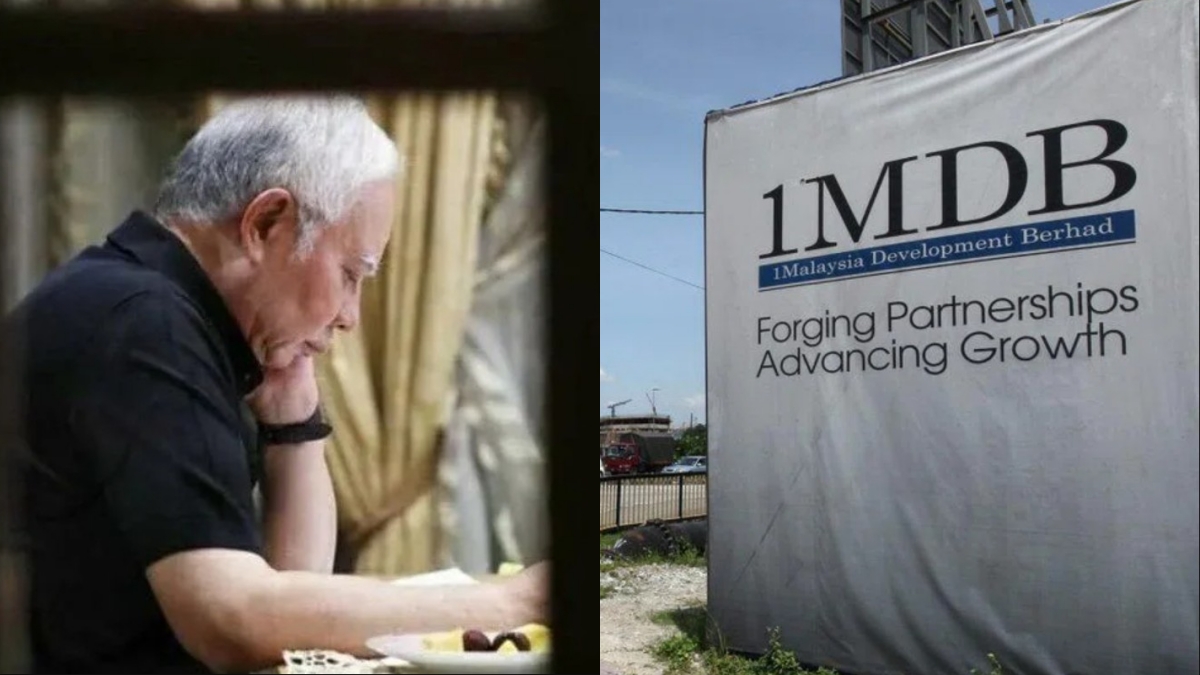
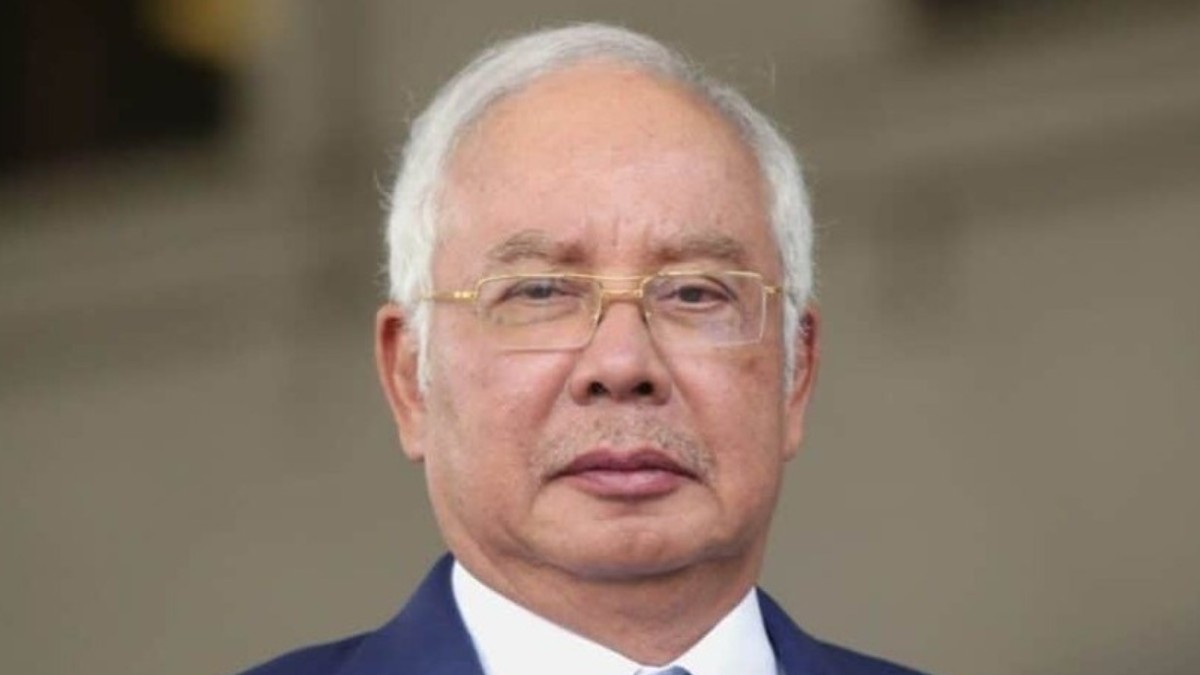
KUALA LUMPUR, MALAYSIA: The Kuala Lumpur High Court on 22 December 2025 dismissed former Prime Minister Najib Razak’s application to serve the remainder of his prison sentence under house arrest, ruling that the alleged royal addendum order was constitutionally invalid.
The decision means Najib, 72, will continue serving his sentence at Kajang Prison in Selangor.
His legal team confirmed that an appeal will be filed against the ruling.
Justice Alice Loke, delivering the judgment, said the Yang di-Pertuan Agong must exercise the prerogative of mercy strictly within the framework of the federal constitution.
“The exercise of the prerogative of power of mercy is no exception. It must be exercised within the legal framework providing for safeguards and limits in the constitution,” she said.
Justice Loke ruled that the alleged royal addendum order, which Najib claimed allowed him to serve his remaining sentence at home, was neither deliberated nor decided upon at the 61st Pardons Board meeting in January 2024.
That meeting had agreed to reduce Najib’s original sentence, but did not formally consider any provision for home detention, the court found.
She added that the purported order did not comply with Article 42 of the federal constitution, which empowers the King and State Rulers or Governors to grant pardons, reprieves and respites.
“Consequently, it is not a valid order. The respondents have no power and no duty to obey or enforce it,” Justice Loke said.
“Conversely, the applicant has no right to the relief of mandamus. In the circumstance, the judicial review application is therefore dismissed.”
Najib began serving his jail term in August 2022 after being convicted by the High Court in July 2020 of seven charges linked to SRC International.
He was found guilty of three counts of criminal breach of trust, three counts of money laundering and one count of abuse of power.
The charges involved the transfer of RM42 million from SRC International, a former subsidiary of 1Malaysia Development Berhad, into Najib’s personal bank accounts between 2014 and 2015.
Najib was sentenced to 12 years’ imprisonment and fined RM210 million.
In January 2024, then King Sultan Abdullah Ri'ayatuddin Al-Mustafa Billah Shah exercised his powers of clemency, reducing the sentence to six years’ jail and lowering the fine to RM50 million.
The Pardons Board announced the reduction on 2 February 2024, shortly after Sultan Abdullah stepped down from the throne.
Najib mounted his bid for home detention in April 2024, insisting that the sentence reduction was accompanied by an addendum order allowing him to serve the remainder of his term at home.
The case has since taken a complex legal path.
The High Court initially dismissed the application in July 2024.
That decision was overturned by the Court of Appeal in January 2025, in a split 2–1 ruling, allowing the matter to proceed.
The Federal Court later upheld the appellate ruling and ordered the High Court to hear the case on its merits.
The High Court decision was originally scheduled for 5 January 2026 but was brought forward to 22 December after Najib’s lawyers requested an earlier date.
The house arrest dispute has fuelled political and legal intrigue for months.
Multiple government authorities, including members of the Pardons Board, had denied knowledge of any royal addendum order.
However, the former King’s palace confirmed that such a document had been issued.
Najib and the palace maintained that the order exists, with Najib’s legal team arguing that it had been ignored by the authorities.
Prime Minister Anwar Ibrahim said in January that the government had not concealed any document.
He stated that the addendum was sent to the Attorney General, and not to him or any other member of the Pardons Board.
On Monday, several hundred supporters, including members of Najib’s United Malays National Organisation (UMNO), gathered outside the Kuala Lumpur High Court in a show of solidarity.
Najib remains a polarising figure in Malaysian politics.
A former UMNO president, he continues to wield significant influence within the party, which is part of Anwar’s ruling coalition.
According to Malaysian media reports, Najib’s lead counsel, Tan Sri Muhammad Shafee Abdullah, told reporters after the ruling that the defence intends to appeal the High Court’s decision.
Separately, Najib is awaiting a verdict in another major case.
On 26 December, the court is scheduled to deliver its decision on charges involving four counts of abuse of power and 21 counts of money laundering linked to RM2.2 billion in alleged illegal transfers from 1MDB.
Najib has denied all charges in that case.
As his legal battles continue, Najib’s trajectory remains closely watched in Malaysia, where debates over accountability, royal powers and political rehabilitation continue to divide public opinion.