Malaysia assures China its US trade deal will not affect bilateral ties
Malaysia has clarified its new US trade deal to China, with Prime Minister Anwar Ibrahim assuring Beijing that the agreement does not hinder bilateral ties. China earlier expressed “grave concerns” over clauses requiring alignment with US security restrictions and export controls.
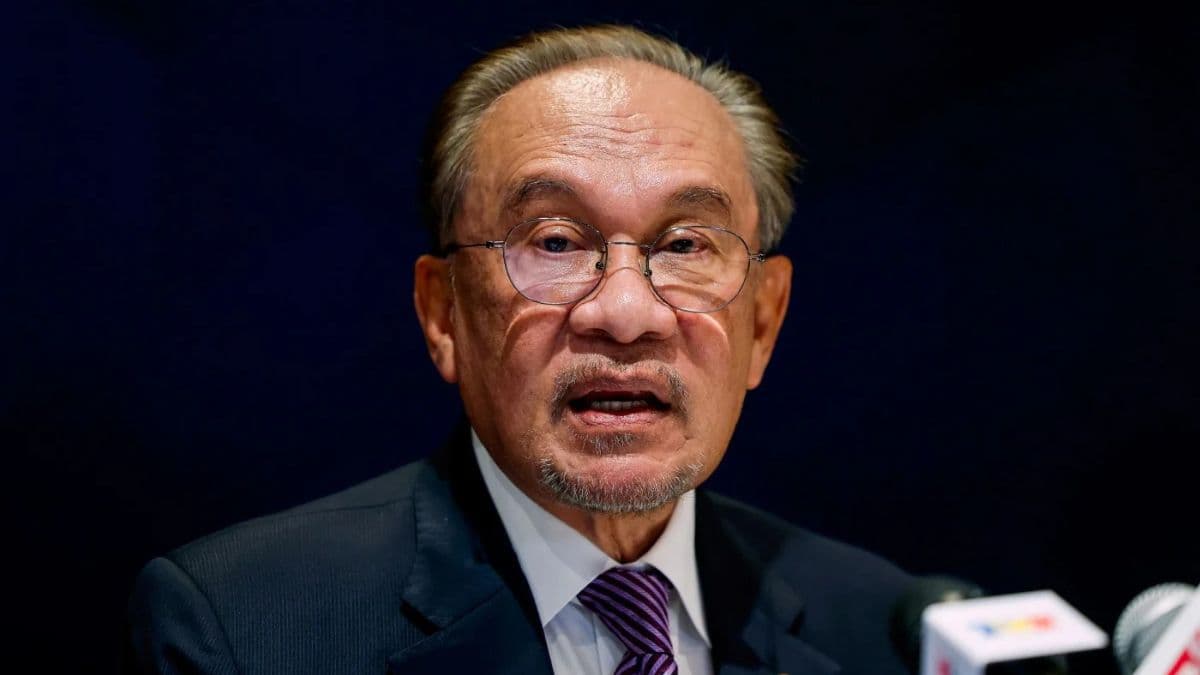
- Prime Minister Anwar Ibrahim assured China that Malaysia’s new US trade deal does not affect its longstanding bilateral cooperation with Beijing.
- China expressed “grave concerns” over clauses requiring Malaysia to align with US national security positions and lodged a formal complaint.
- Under the Agreement on Reciprocal Trade (ART), the US keeps a 19% tariff on Malaysian goods, while Malaysia reduces or removes tariffs on selected US products.
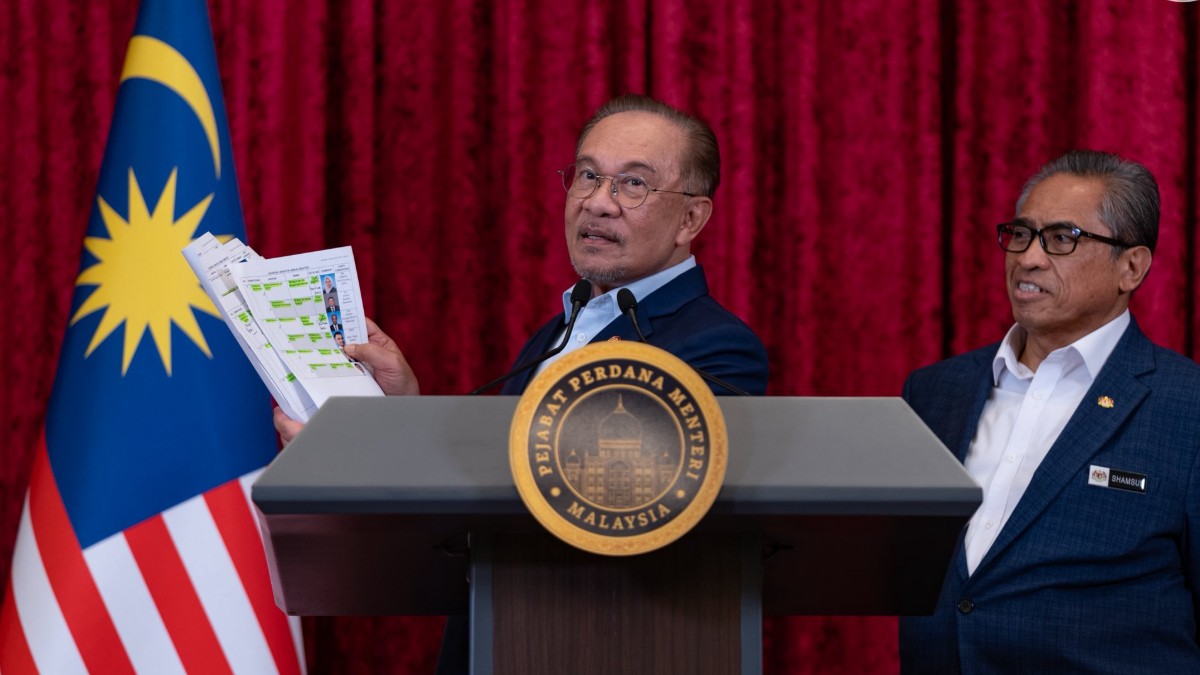
MALAYSIA: Prime Minister Datuk Seri Anwar Ibrahim says Malaysia has provided China with the necessary clarification regarding its new trade agreement with the United States, assuring that the pact does not impede Malaysia’s long-standing cooperation with China.
Anwar said he had conveyed the same message to Chinese Premier Li Qiang, stressing that nothing in the agreement prevents Malaysia from continuing its bilateral engagements with Beijing.
Since 2009, China has been Malaysia’s largest trading partner.
In 2023, total trade between both countries reached RM450.84 billion (or approx. US$109.2 billion), accounting for 17.1 per cent of Malaysia’s global trade.
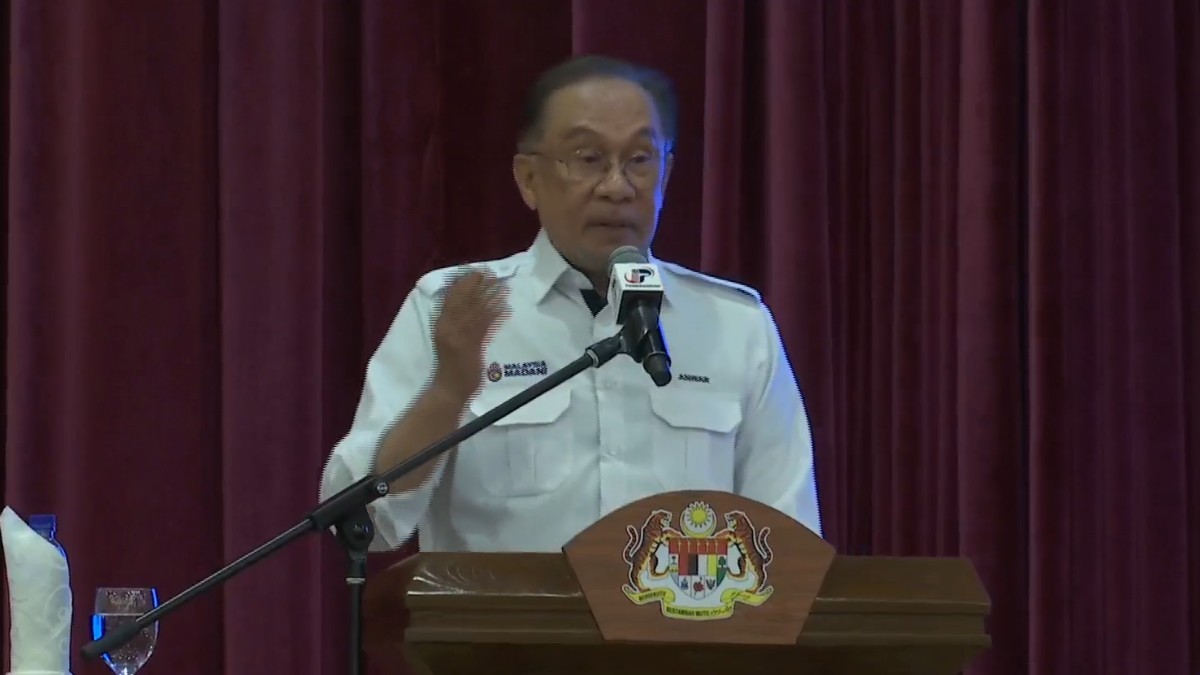
“They wanted some clarification. We have given it. I don’t think we should exaggerate. "
"China remains a very important trading partner,” Anwar told reporters after launching Perodua’s first electric vehicle at Menara MITI today (1 Dec).
Last Friday (28 Nov), Beijing issued a direct rebuke to both Malaysia and Cambodia, lodging formal complaints over the new trade deals the two nations signed with the US in October.
According to a government readout, officials from China’s Ministry of Commerce expressed “grave concerns” about certain provisions in the pact.
“We hope Malaysia will fully consider and properly handle this matter in light of its long-term national interests,” the ministry said in a statement.
At the centre of China’s objections are clauses requiring Malaysia and Cambodia to align with US positions on sensitive national security matters.
Under the deals, both countries are expected to follow American trade restrictions, export controls and sanctions on sensitive technologies.
They must also prevent their companies from helping third countries evade such measures and are encouraged to deepen defence trade with the US.
Malaysia signed the Agreement on Reciprocal Trade (ART) with the United States on 26 October, during President Donald Trump’s visit to Kuala Lumpur for the 47th ASEAN Summit and Related Summits.
The agreement was one of several concluded during Trump’s tour of Asia, which also included stops in Vietnam and Thailand.
Under the arrangement, the United States agreed to maintain a 19 per cent tariff on Malaysian goods, while Malaysia committed to removing or reducing tariffs on selected US products.