Malaysia condemns US seizure of Venezuelan leader as violation of international law
Malaysia has condemned the US-led military operation that resulted in the capture of Venezuelan President Nicolás Maduro, calling it an unlawful use of force. Prime Minister Anwar Ibrahim warned the move sets a dangerous precedent, while the foreign ministry urged restraint and respect for sovereignty.
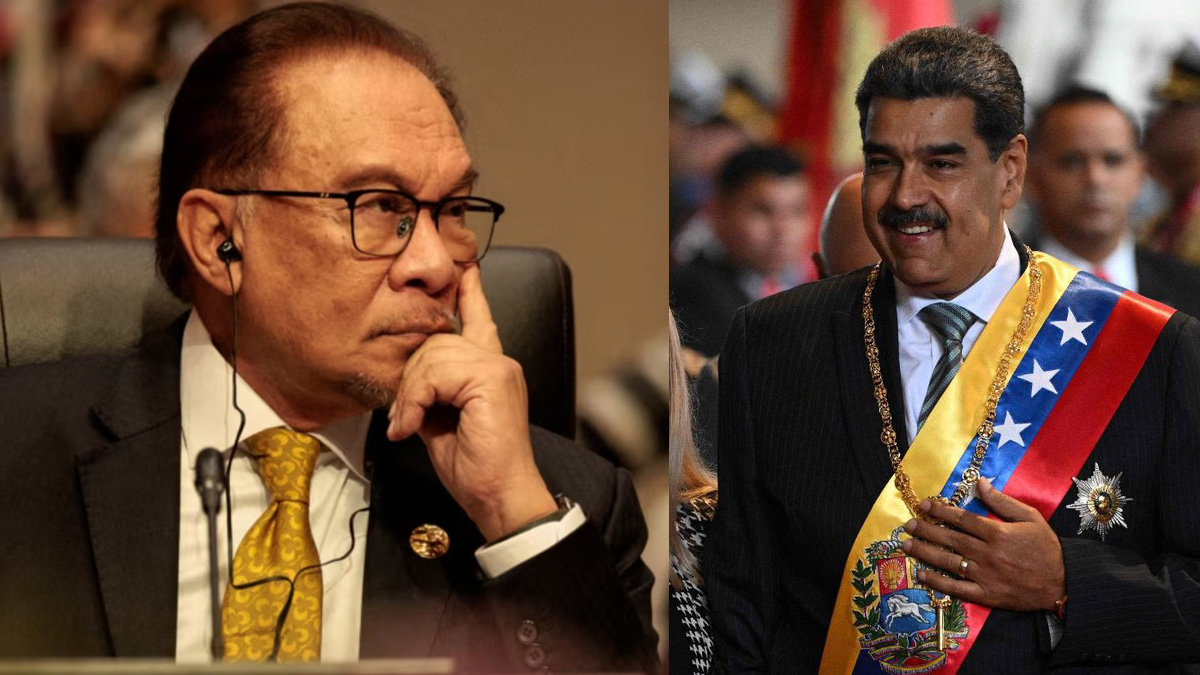
- Prime Minister Anwar Ibrahim condemned the US military strike as an unlawful act and a violation of sovereignty.
- Malaysia’s Ministry of Foreign Affairs reaffirmed its opposition to foreign intervention and called for de-escalation.
- The embassy in Caracas confirmed all registered Malaysians in Venezuela are safe and accounted for.
Malaysia has joined a growing number of countries expressing strong concern over the United States’ military operation in Venezuela that resulted in the capture of President Nicolás Maduro and his wife.
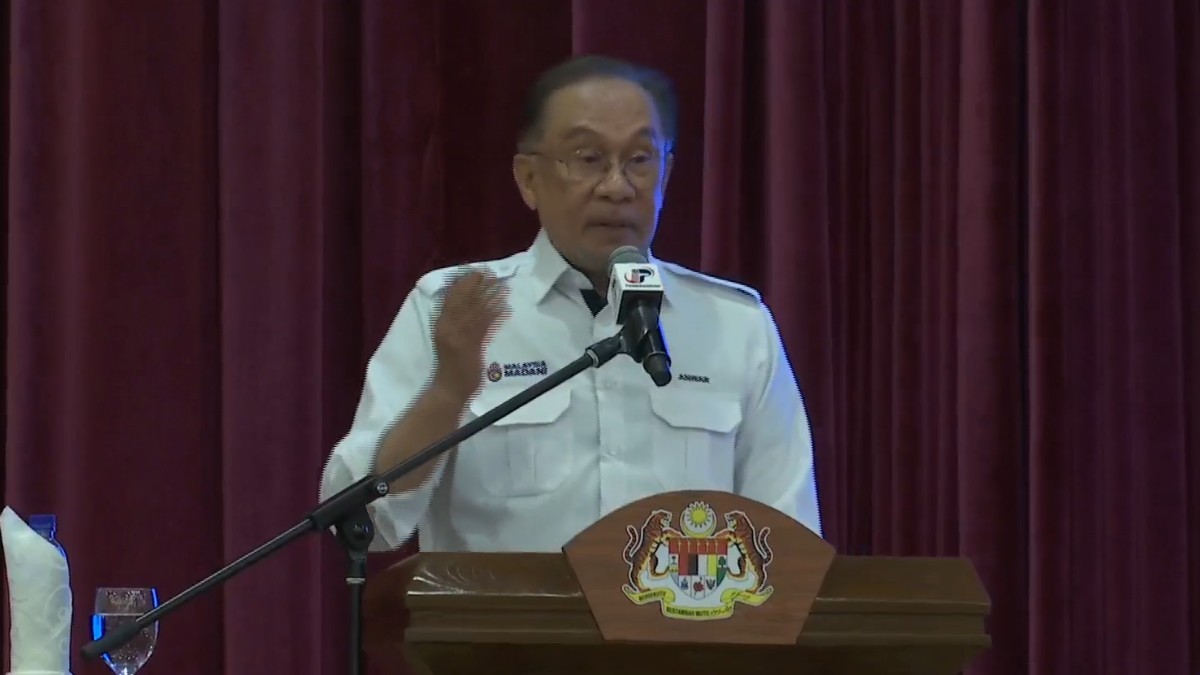
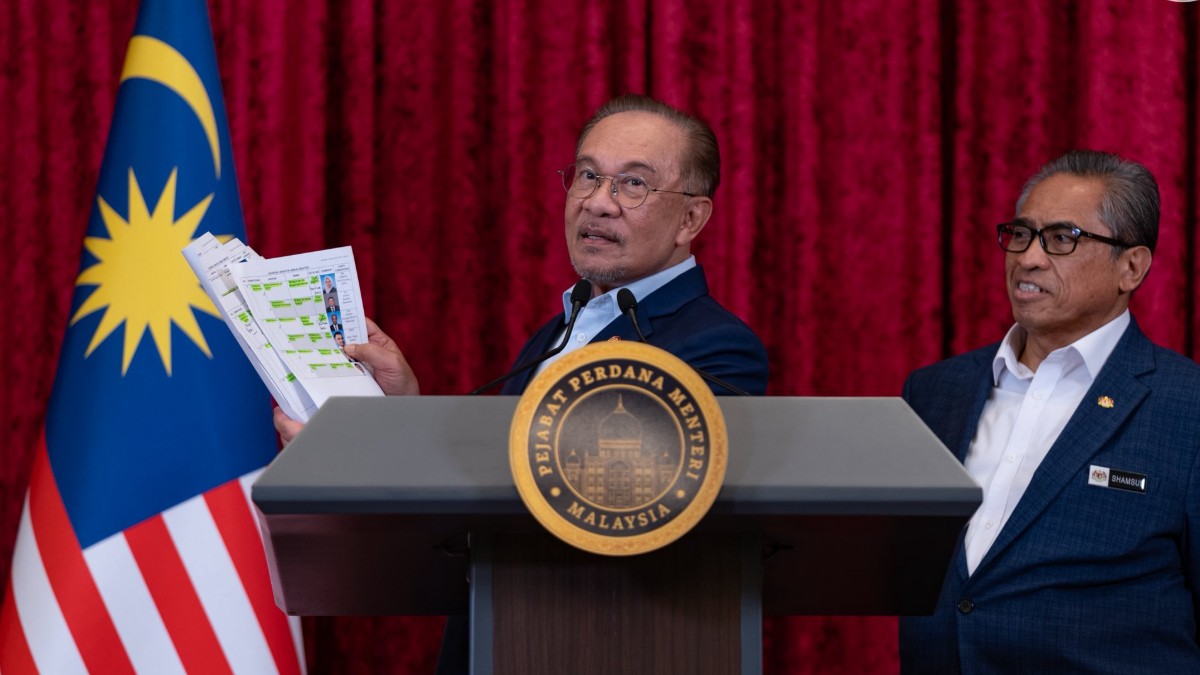
Prime Minister Anwar Ibrahim, in a statement posted on 4 January 2026, described the military action as a “clear violation of international law” and warned that such interventions risk destabilising the global system of peaceful relations between states.
“Such actions constitute a clear violation of international law and amount to an unlawful use of force against a sovereign state,” Anwar said, adding that “President Maduro and his wife must be released without any undue delay.”
He stressed that “forcible removal of a sitting head of government through external action sets a dangerous precedent,” and argued that abrupt regime change by foreign powers typically results in further harm to already fragile societies.
“It is for the people of Venezuela to determine their own political future,” he said. “As history has shown, abrupt changes in leadership brought about through external force will bring more harm than good, what more in a country already grappling with prolonged economic hardship and deep social strain.”
Foreign ministry echoes call for restraint and diplomacy
Malaysia’s Ministry of Foreign Affairs issued its own statement earlier the same day, reiterating the country’s longstanding opposition to foreign military intervention.
“As a matter of principle, Malaysia opposes all forms of foreign intervention in the internal affairs of other States, as well as the threat or use of force,” the ministry said, calling these “fundamental principles enshrined in the Charter of the United Nations and international law.”
The ministry urged “maximum restraint” from all parties and reaffirmed that peaceful dialogue and diplomacy remain the most credible path forward.
The statement also addressed the welfare of Malaysians in Venezuela. The Malaysian Embassy in Caracas has confirmed that all registered citizens are safe and accounted for, and stands ready to provide assistance as needed.
The ministry advised Malaysians in the country to remain vigilant, follow local authority instructions, and stay in close contact with the embassy.
Backdrop: US military seizes Maduro in secretive strike
Malaysia’s response follows a dramatic military operation ordered by US President Donald Trump in the early hours of 3 January. American special forces captured Nicolás Maduro near Caracas in what Trump described as a “spectacular and overwhelming” strike.
Maduro and his wife were taken aboard the USS Iwo Jima and are being transferred to New York, where Maduro faces longstanding US narcoterrorism charges dating back to a 2020 indictment.
Trump also declared that the United States would temporarily administer Venezuela during a transition period, a move that has sparked global criticism and alarm.
Global responses reveal deep international rift
China, Russia, Iran, Cuba and Mexico have condemned the action, accusing the US of violating Venezuela’s sovereignty and undermining the international order. The European Union has called for restraint and renewed commitment to international law.
Singapore issued its own statement on 4 January, expressing “grave concern” and reaffirming its commitment to the principles of the UN Charter. The city-state emphasised that “the sovereignty and territorial integrity of all states, especially small states,” must be respected.
South Africa, meanwhile, has called for an emergency session of the UN Security Council, arguing that the operation was a “manifest violation” of the Charter and threatens the principle of equality among nations.
Malaysia's foreign policy tradition reasserted
Malaysia’s sharp and principled response aligns with its long-standing foreign policy of non-alignment and commitment to international law. The Prime Minister’s remarks reflect a wider concern among Global South nations that the use of force outside multilateral frameworks risks returning the world to a destabilised, power-driven order.
Anwar’s warning that “constructive engagement, dialogue and de-escalation remain the most credible path” echoes similar calls made by Kuala Lumpur in past international crises, including the conflicts in Palestine, Ukraine, and Myanmar.