Malaysia NGO flags one-third of politicians’ corruption cases ending in AGC charge withdrawals
A Projek Sama review of 28 corruption-related cases involving Malaysian politicians since 2018 finds one-third ended in charge withdrawals by the AGC, raising concerns about transparency and prompting calls for prosecutorial and political finance reforms.
- A Projek Sama study finds one-third of corruption cases involving Malaysian politicians since 2018 ended in charge withdrawals by the Attorney General’s Chambers (AGC).
- The NGO says late-stage DNAA and DAA outcomes arising from prosecutorial withdrawals erode public confidence.
- Projek Sama calls for bold prosecutorial and political financing reforms to restore trust in the rule of law.
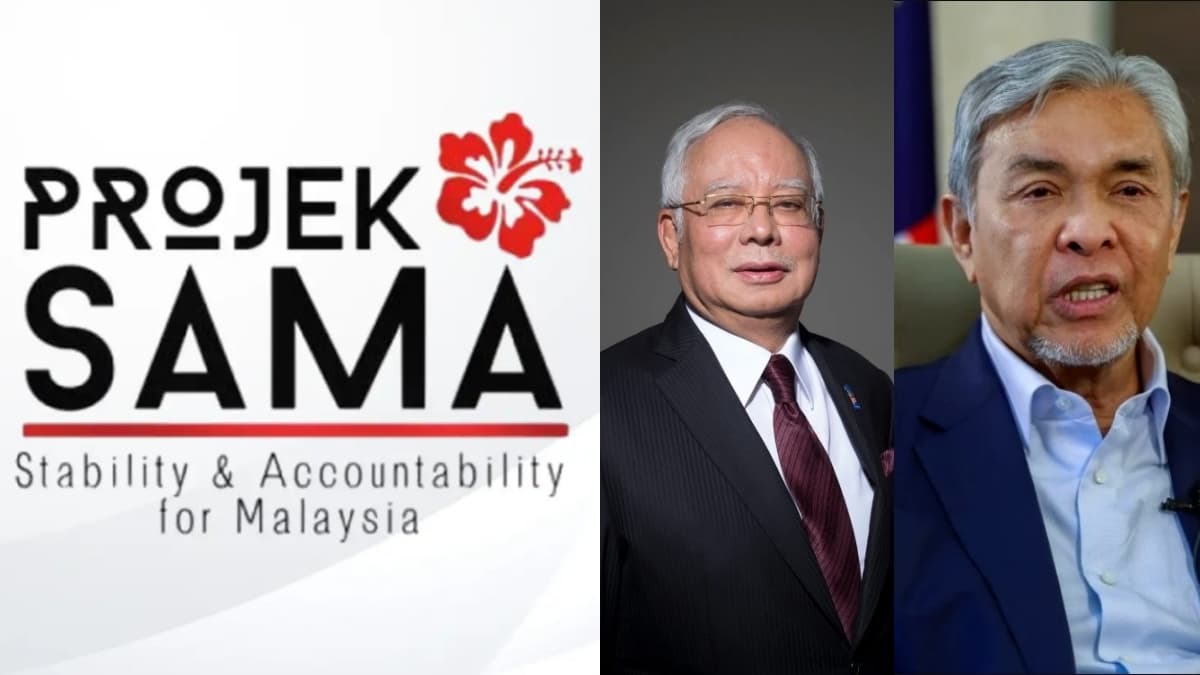
KUALA LUMPUR, MALAYSIA: Public confidence in Malaysia’s justice system is again under scrutiny following new findings by civil society group, Project Stability and Accountability for Malaysia (Projek SAMA), which reports that one-third of corruption-related cases involving politicians since 2018 were withdrawn by the Attorney General’s Chambers.
According to the organisation, 28 cases of corruption, criminal breach of trust and money-laundering involving 21 current or former elected representatives were reviewed.
It found that 10 cases were withdrawn by the AGC, with only three considered legitimate because they stemmed from death, technical corrections or pre-trial compound payments.
Projek Sama said the review was prompted by the long-standing concern that powerful individuals often receive more favourable treatment.
According to the group’s report, released today, the perception of a “dua-darjat” or two-tiered system remains strong despite the political change in 2018.
Concerns over prosecutorial discretion
The NGO said the prosecution’s decisions — including requests for Discharge Not Amounting to Acquittal (DNAA) for senior politicians — had undermined confidence in the rule of law.
Its report examines prosecutorial conduct such as delayed appeals, mid-trial withdrawals and failures to meet statutory deadlines.
In its analysis, Projek Sama emphasised that Discharge Amounting to Acquittal (DAA) can be legitimate when granted after a full and proper trial.
However, DAAs or DNAAs arising from withdrawals under section 254 of the Criminal Procedure Code or unreasonable delays by the AGC pose a risk to public trust.
High-profile cases under scrutiny
High-profile cases feature prominently in the report.
It notes that a prima facie case had been established in the Yayasan Akalbudi prosecution against Deputy Prime Minister Ahmad Zahid Hamidi, where 77 trial days had been completed before the AGC withdrew the 40 charges, resulting in a DNAA.
Projek Sama highlighted similar concerns in the 2018 case of former finance minister Lim Guan Eng, where corruption charges were dropped following a Letter of Representation.
The reasons for withdrawal were not publicly disclosed and the court granted a DAA.
It also pointed to the case of former Sabah chief minister Musa Aman, where all 46 charges were withdrawn before trial on the basis of an LoR and an affidavit by a former attorney general.
The court subsequently granted a DAA.
Prolonged DNAA periods raise further concerns
The organisation argues that such reliance on undisclosed LoRs prevents public scrutiny of prosecutorial reasoning.
It said this pattern weakens transparency and suggests inconsistent standards in politically sensitive cases.
The report further warns that prolonged DNAA periods can transform the temporary discharge into a pathway toward full acquittal.
Projek Sama said some cases have remained under DNAA for more than 1,900 days, strengthening potential arguments for conversion to DAA.
Among these are cases involving former Bachok MP Nasharudin Mat Isa, former Federal Territories minister Tengku Adnan Mansor and several cases linked to former prime minister Najib Razak.
The NGO noted that prolonged delays, including failures to declassify documents or missed appeal deadlines, point to deeper systemic weaknesses.
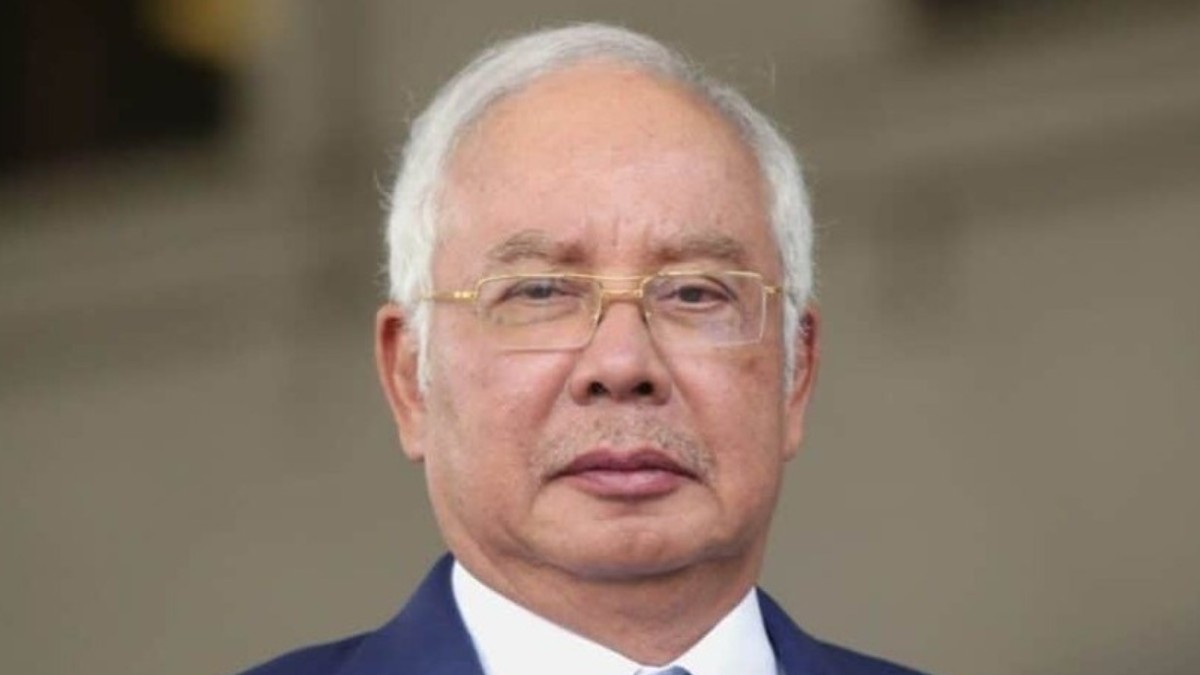
Former prime minister Najib Razak remains the only politician imprisoned following conviction for criminal breach of trust and abuse of power involving RM42 million from SRC International.
Projek Sama argues that this solitary conviction does not negate wider structural concerns.
Prosecutorial reforms proposed
In its press statement, Projek Sama called on the government to pursue comprehensive reforms.
It said that simply separating the roles of Attorney General and Public Prosecutor would not be enough without accompanying safeguards.
The reforms proposed include independent inspections of prosecutorial conduct, parliamentary oversight mechanisms, a binding code of conduct and clearer reporting requirements.
Projek Sama said these practices draw from Commonwealth standards, such as those in the UK.
Political financing reforms needed
The organisation also urged political financing reform.
It recommended a Political Financing Act to define legitimate donations, amendments to the Election Offences Act to curb excessive spending and a vote-based public funding system.
Projek Sama said such measures are necessary to reduce dependence on private donors and limit opportunities for undue influence.
It concluded that without decisive reforms, the perception of selective impunity will persist.