Malaysian High Court finds ex-PM Najib Razak used Jho Low as proxy in 1MDB dealings
Malaysia’s High Court has ruled that Najib Razak used financier Jho Low as a proxy in 1MDB affairs, rejecting the former prime minister’s claim that billions of ringgit received were an Arab political donation.
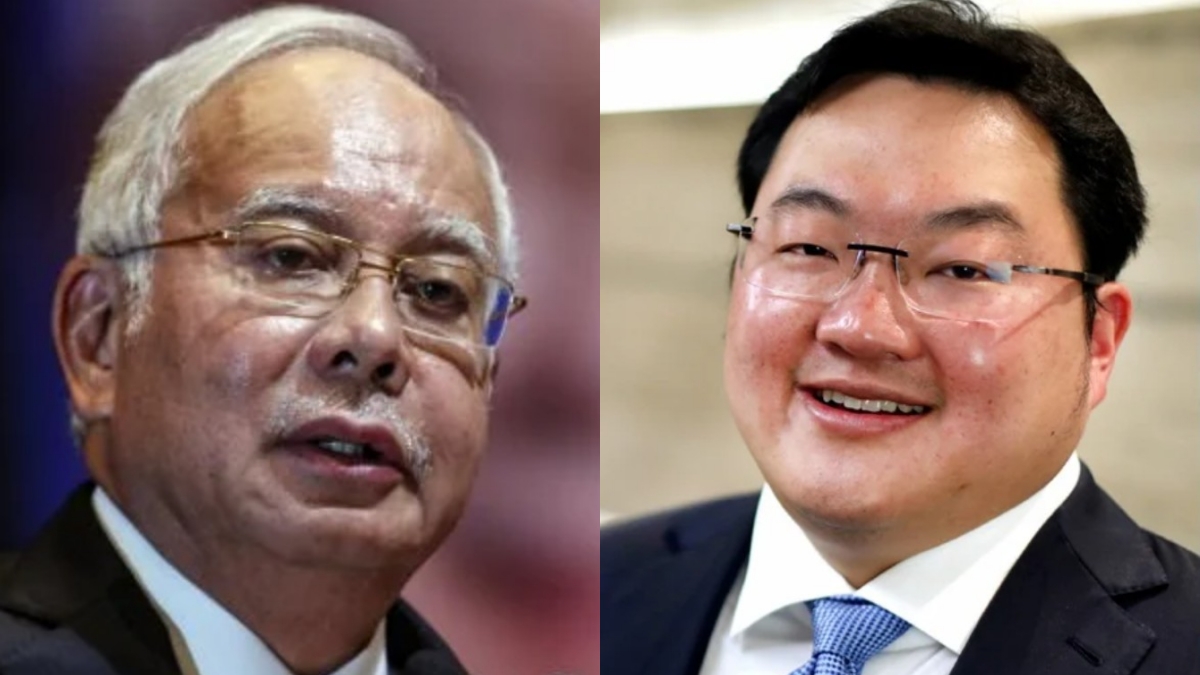
- The High Court ruled that Najib Razak and financier Low Taek Jho knew each other well, rejecting claims they were mere acquaintances.
- The court found Najib’s defence that billions of ringgit were an Arab political donation to be untenable and unsupported by evidence.
- Judge Datuk Colin Sequerah said Najib used Jho Low as a proxy or agent in 1MDB affairs, giving weight to prosecution witnesses.
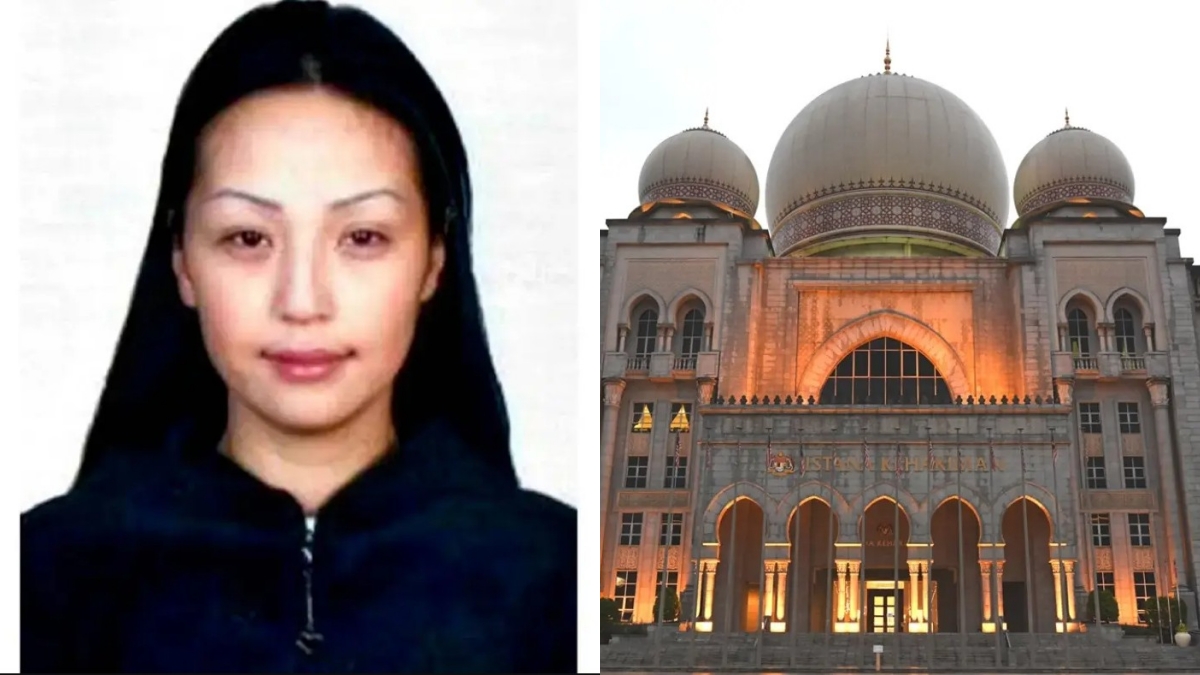
KUALA LUMPUR, MALAYSIA: Malaysia’s High Court on 26 December 2025 has ruled that former prime minister Datuk Seri Najib Razak and fugitive financier Low Taek Jho, widely known as Jho Low, were closely acquainted, citing evidence including photographs of the two vacationing together.
In an ongoing ruling delivered on charges linked to the 1Malaysia Development Berhad (1MDB) scandal, the court found that Najib had used Jho Low as a “proxy or agent” in the affairs of the state investment fund.
The ruling was delivered by High Court Judge Datuk Colin Sequerah, who said there was no reason to reject or diminish the weight of testimony provided by prosecution witnesses in the case.
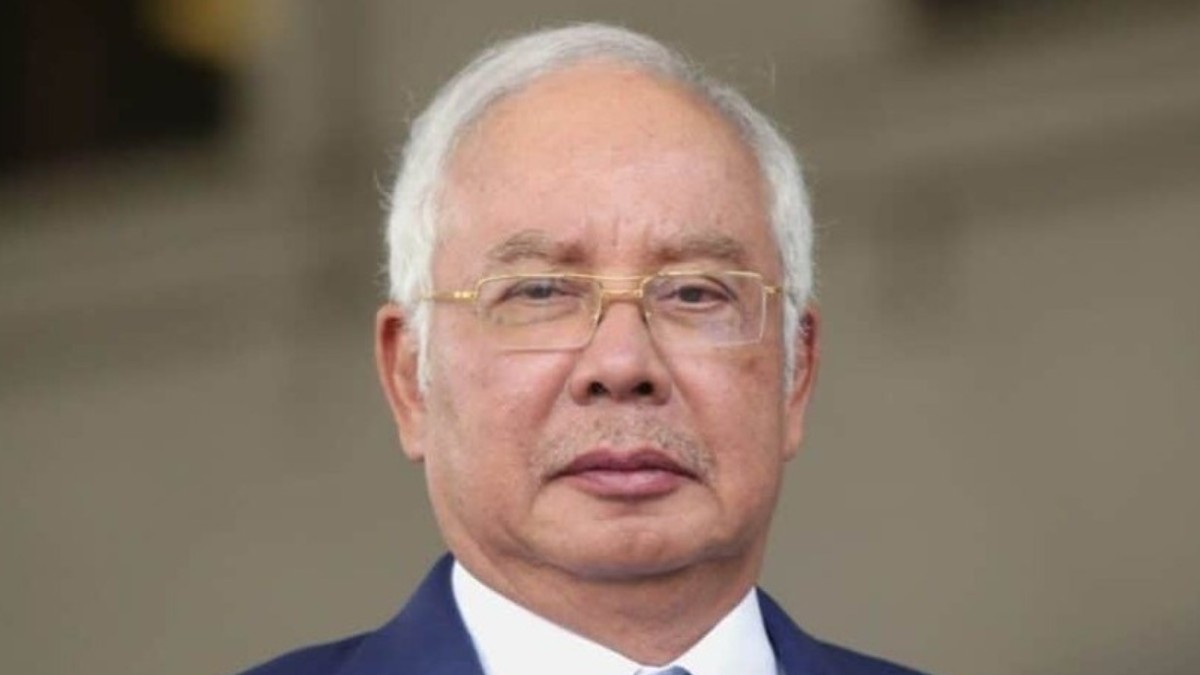
Najib is facing 25 charges in the trial, comprising four counts of abuse of power and 21 counts of money laundering.
The charges relate to the 1MDB scandal and which involves some RM2.28 billion (US$563 million).
The trial is widely regarded as the central case arising from the 1MDB scandal, which triggered investigations across several jurisdictions and drew international scrutiny of Malaysia’s financial governance.
In addressing Najib’s defence that the funds in question were donations from Arab royalty, Judge Sequerah found the explanation to be unsupported by credible evidence.
Court rules Arab donation letters were fabricated
“The accused anchored his belief to a wider circle of the royal family,” the judge said, referring to Najib’s claim that the funds originated from the family of the late King Abdullah of Saudi Arabia.
The court noted that Najib had failed to conduct any verification to ensure that the funds genuinely originated from the purported donor. According to the judge, there was also no evidence that the funds were intended to be transmitted in instalments.
Judge Sequerah rejected the argument that the manner of the fund transfer was entirely at the discretion of King Abdullah, stating that this assertion “does not further the cause of the defence”.
The court further ruled that the so-called Arab donation letters were fake.
This finding was supported by testimonies from former AmBank relationship manager Joanna Yu Ging Ping and former 1MDB general counsel Jasmine Loo Ai Swan.
According to the judgment, Jasmine Loo had seen a draft of the alleged donation letters on a computer screen while in London, at an overseas hotel, undermining claims that the letters were genuine official correspondence.
Funds deposited into personal accounts, no official records
In a detailed assessment of the defence, Judge Sequerah said the claim that the funds were a political donation from the Saudi royal family was unsustainable, particularly because the monies were deposited directly into Najib’s personal bank accounts.
The judge noted that neither the government nor any political party had issued receipts acknowledging the purported donation. There was also no evidence of any formal acknowledgement by Najib himself to the alleged donor.
Additionally, the court found it significant that the alleged donation letter was addressed to Najib’s private residence, rather than to any official government or party address.
Judge Sequerah said there was no official record, minute, or documentation linking the purported donor to any legitimate political activity in Malaysia.
He described it as untenable that such a vast sum could be deposited into a personal account without proper and transparent accounting, particularly given Najib’s position at the time.
“At the time, the political party headed by the accused was UMNO, Malaysia’s largest political party, with roots dating back to 1946,” the judge said. “It is inconceivable that a person in the position of Prime Minister would not maintain proper accounting records.”
The court further clarified that even if the funds were intended as a political donation, this would not legitimise their receipt or use if the source of the money was illegal.
“The purpose for which the funds were utilised is critical, regardless of the claimed intent of a donation,” Judge Sequerah said, emphasising that illegality at the source could not be cured by claimed political motives.
In concluding this aspect of the ruling, the judge held that Najib’s contention that the monies were meant for political donations was “untenable” and without merit.
Marathon trial to resume on 3pm after Friday prayers
At the time of reporting, Judge Sequerah was still reading his judgment, indicating that he would require several more hours to complete it.
Proceedings were adjourned for Friday prayers and scheduled to resume at 3 pm.
Najib, now aged 72, is accused of using his position to obtain approximately RM2.3 billion in bribes from 1MDB funds through accounts held at AmIslamic Bank Berhad between 24 February 2011 and 19 December 2014.
The abuse of power charges were brought under Section 23(1) of the Malaysian Anti-Corruption Commission Act, which carries a maximum penalty of 20 years’ imprisonment and a substantial fine upon conviction.
The additional 21 money laundering charges relate to transactions allegedly carried out at the same bank between 22 March 2013 and 30 August 2013.
These charges fall under Section 4(1)(a) of the Anti-Money Laundering, Anti-Terrorism Financing and Proceeds of Unlawful Activities Act 2001, which provides for imprisonment, fines, or both.
If convicted, Najib faces the prospect of additional years behind bars. He is already serving a six-year prison sentence following a separate conviction linked to the 1MDB scandal.