Desmond Lee: Individual stallholders remain main school canteen model despite central kitchen expansion
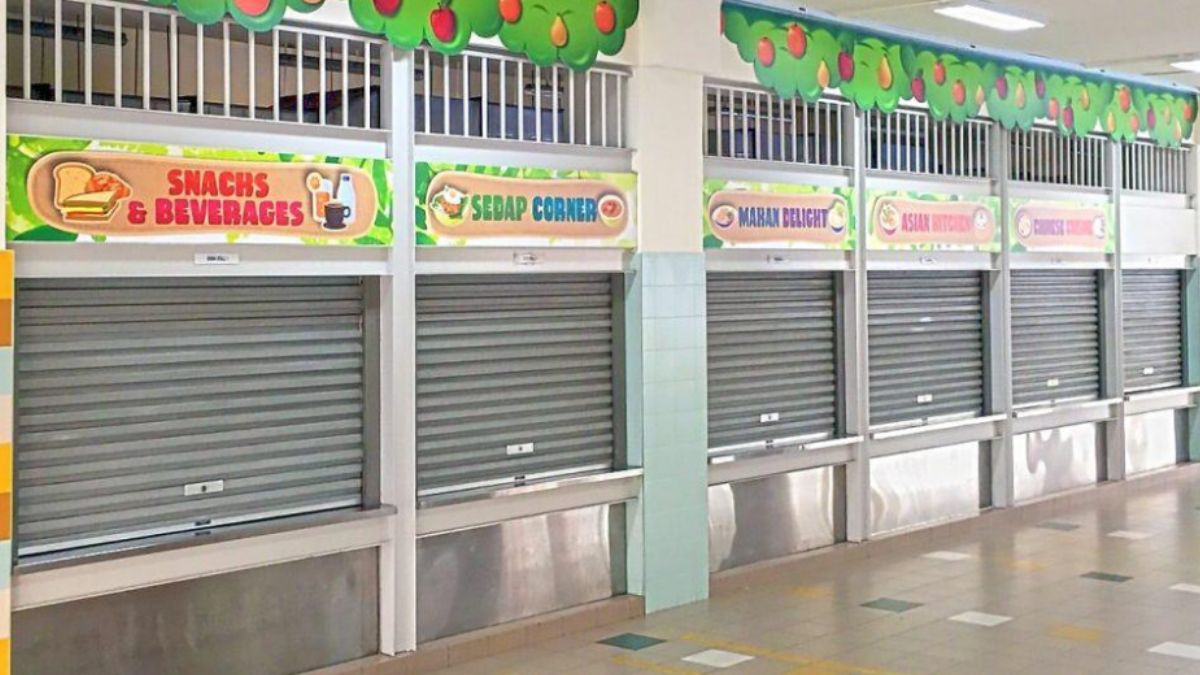
The Individual Stallholder System remains the main model for Singapore school canteens, Education Minister Desmond Lee said on 13 January, as MOE outlined criteria behind expanding the Central Kitchen Meal Model to more schools from 2026.
- MOE said the Individual Stallholder System remains the main school canteen model, with the CKMM used as an alternative where stallholders are lacking.
- The CKMM pilot at Yusof Ishak Secondary School met benchmarks for efficiency, food quality, cost and student satisfaction.
- The model will be expanded to 13 schools from January 2026.
SINGAPORE: The Individual Stallholder System (ISS), under which independent operators run individual food stalls, remains the “primary and predominant” model for school canteens in Singapore, Minister for Education Desmond Lee said in a written parliamentary reply on 13 January.
Lee was responding to a question from Workers’ Party MP He Ting Ru on how the Ministry of Education (MOE) assessed the effectiveness of the Central Kitchen Meal Model (CKMM) pilot at Yusof Ishak Secondary School, as well as the considerations behind its planned expansion to 13 other schools from January 2026.
Under the CKMM, a single operator manages the entire school canteen and supplies meals prepared at a central kitchen.
Lee said MOE evaluated the pilot based on four key criteria: operational efficiency, food quality, cost-effectiveness and student satisfaction.
The pilot, which began in 2022 at Yusof Ishak Secondary School, showed that the model could streamline meal preparation and distribution while meeting nutritional standards and food safety guidelines.
He noted that the school had just moved into a new campus at the time and did not have existing stallholders, making it suitable for the trial.
ISS remains the main model
Despite the pilot’s outcomes, Lee reiterated that the ISS remains MOE’s main canteen model, and that the ministry will continue to support schools and stallholders operating under it.
He said the CKMM is intended as an alternative for schools that face difficulties in attracting or retaining enough stallholders to operate their canteens.
This consideration formed the basis for the decision to expand the model to 13 additional schools, with the aim of ensuring students continue to have access to healthy and affordable meals.
Under the CKMM, central kitchen operators are required to provide at least one full meal priced at no more than S$2.70 in primary schools and S$3.60 in secondary schools.
The three vendors appointed under the model are Chang Cheng Mee Wah Food Ind Pte. Ltd., Gourmetz Pte. Ltd., and Wilmar Distribution Pte. Ltd.
Some schools operating under the CKMM also have vending machines selling pre-packed meals.
Public scrutiny over centrally catered meals
Centrally catered school meals have recently come under public scrutiny following online criticism.
The issue arose after a Reddit user shared photographs of catered meals provided to secondary school students at Hwa Chong Institution.
The images drew sharp reactions from netizens, with many questioning whether the food met reasonable standards of quality, portion size and nutrition.
In response, Hwa Chong Institution defended its programme, saying that the images circulating online did not accurately reflect the overall quality or portion standards of meals served on campus.