Hwa Chong defends viral bento photos as unrepresentative, as students tell media meals reflect actual servings
Hwa Chong Institution defends its new hybrid canteen model after online criticism over bento meals, while students and parents raise concerns about taste, portion sizes, and value. The school plans ongoing reviews and consultations to address feedback.
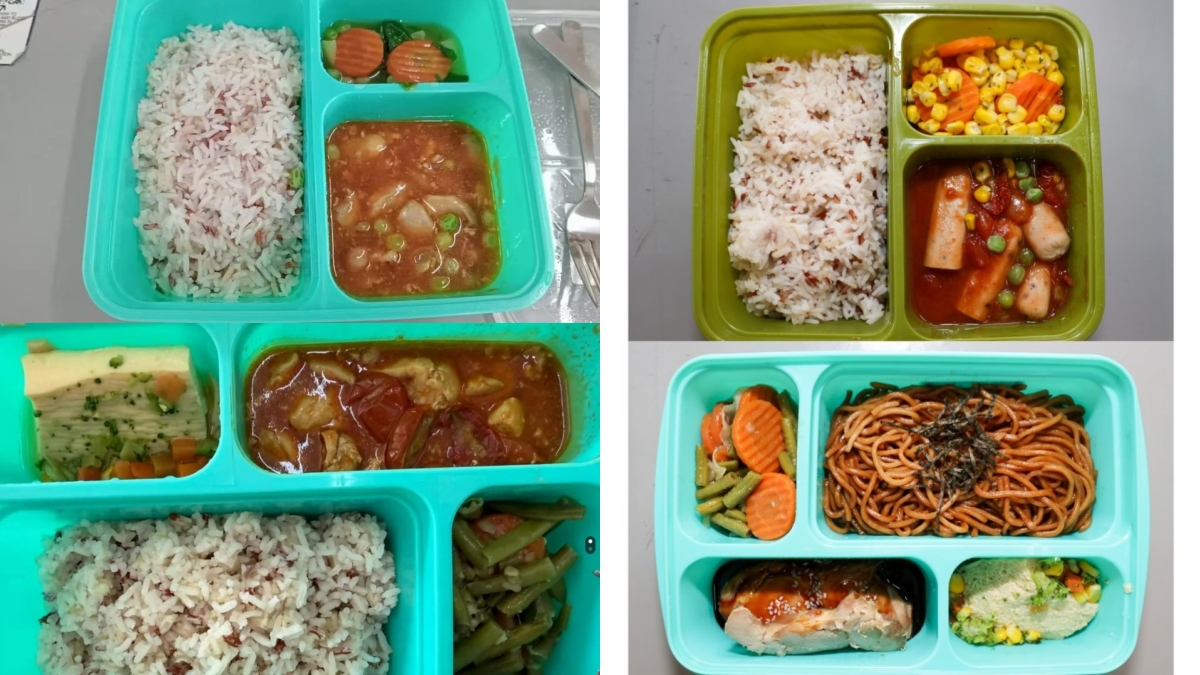
- Hwa Chong Institution maintains its new hybrid canteen programme meets nutritional and quality standards despite online backlash.
- Students and parents report concerns over portion sizes, taste, and perceived value of pre-packed bento meals.
- School and SATS emphasise ongoing monitoring, nutritional design, and plans for review committees to address feedback.
SINGAPORE: Hwa Chong Institution has defended its newly launched hybrid canteen programme after photos of student meals shared online drew sharp criticism, saying the images do not accurately reflect food quality and portion standards.
The controversy erupted when photos posted on Reddit on 3 January 2026 showed turquoise trays containing rice, vegetables, and protein.
Netizens questioned whether the meals met adequate nutritional and quality standards, with some comparing them unfavourably to Singapore Armed Forces (SAF) cookhouse food.
School says images “do not represent typical offerings”
State media CNA reported that Hwa Chong said on 6 January: "The school notes that a photograph circulating online does not accurately reflect the typical food offerings or portion standards under this arrangement."
The school said it has been closely monitoring canteen operations, including food quality and portion sizes.
Bento meals are provided by SATS and designed by certified nutritionists, the school added.
SATS: Meals comply with nutritional and safety guidelines
A SATS spokesperson said the meals comply with Ministry of Education and Health Promotion Board guidelines, considering students’ nutritional needs alongside safety and quality standards.
The hybrid canteen model, launched on 2 January 2026, offers pre-prepared bento sets and live food stalls serving Indian fusion, Chinese, Western, and local cuisine.
The move aims to reduce long queues during meal breaks and address sector-wide manpower shortages affecting school canteens.
Bento options include at least three regular meals priced at S$3.60 and premium selections at S$4.80, with menus rotated regularly.
Hwa Chong emphasised that the initiative ensures students continue receiving “balanced, reasonably priced meals” while maintaining dietary variety.
The school invited students and parents to sample the food and review bento menus on 5 January.
Feedback reportedly indicated that portions were sufficient, meals were served warm, and prices were reasonable. Participants also welcomed lighter seasoning, regular menu rotation, and the availability of live food stalls.
A canteen review committee comprising staff, student, and parent representatives will be established to evaluate food quality, pricing, menu variety, and overall student experience, the school said.
Students confirm to local media that online images reflect actual meals
Despite these reassurances, CNA reported on 7 January that students confirmed the images reflected what was being served.
Nine students interviewed expressed mixed views: younger students described meals as bland, watery, or overly salty, while some noted portion imbalances and insufficient nutrition.
A Secondary 3 student described the criticism as exaggerated, saying the meals were acceptable though inferior to freshly cooked options.
Some students reverted to traditional canteen meals, causing longer queues.
Parents question value, variety, and pre-ordering system
Parents also raised concerns. One parent criticised the pre-ordering system for reducing spontaneity and human interaction, while questioning value for money.
She noted students often discarded food after a few bites and suggested that menus be revised to better match student expectations.
Petition urges school to reconsider SATS partnership
A petition urging Hwa Chong to reconsider the SATS central kitchen model has garnered over 1,200 signatures.
The petition cited safety concerns, higher prices, inconsistent food quality, insufficient portions, and lack of key nutrients such as protein.
The petition also compared the cheapest bento at S$3.58 to previous cai png meals at S$2.70 with larger portions.
The school has stated it will continue monitoring operations and consulting stakeholders to address concerns and improve the programme.