SNOC to announce updates to athlete awards as MPs press Government on sports funding and welfare
Acting Minister David Neo said the Sports Excellence schemes are regularly reviewed and assessed holistically beyond medals. He confirmed the Singapore National Olympic Council has concluded its review of the Major Games Award Programme and will announce updated incentives and recognition for athletes soon.
- MPs questioned whether current sports awards and funding sufficiently support athlete welfare, development and motivation beyond medal outcomes.
- Acting Minister David Neo confirmed that SNOC has concluded its review of the Major Games Award Programme and will announce updated recognition and incentives soon.
- The Government said athlete support is assessed holistically, with expanded SPEX schemes and further initiatives planned to improve access and long-term development.
SINGAPORE: Members of Parliament have called for a review of athlete support schemes and recognition frameworks, as the Government reaffirmed its commitment to strengthening Singapore’s high-performance sports system and confirmed that updates to national athlete awards will be announced soon.
Responding in Parliament on 13 January 2026, Acting Minister for Culture, Community and Youth David Neo said the Singapore National Olympic Council (SNOC) has concluded its review of cash incentives and recognition under the Major Games Award Programme (MAP) and is expected to announce refinements in due course.
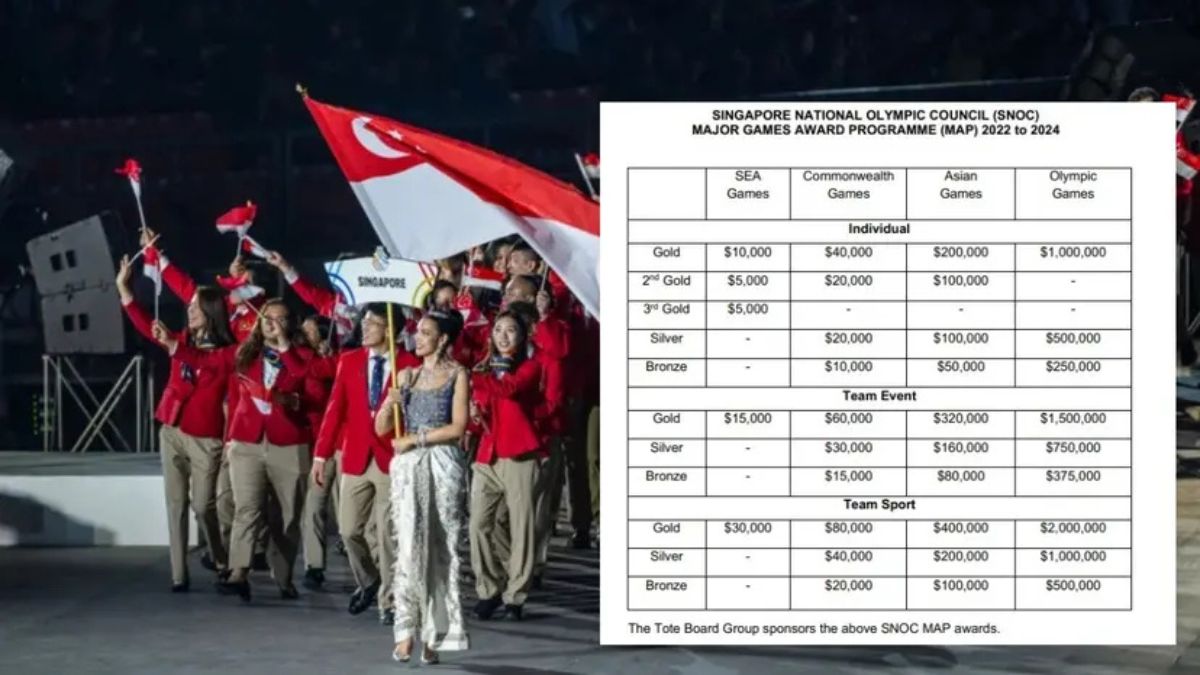
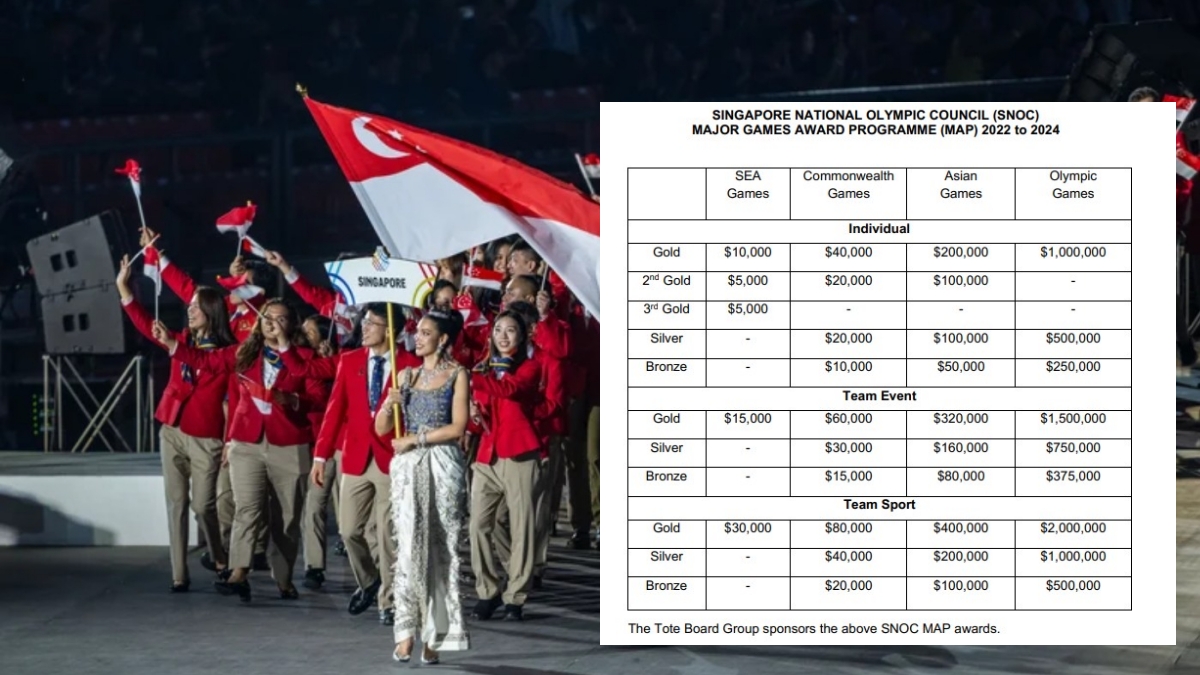
The MAP is a private award scheme managed by SNOC and funded by sponsors.
It currently provides monetary awards for major multi-sport events, including the SEA Games, Commonwealth Games, Asian Games and Olympic Games, with varying limits based on competition level and frequency.
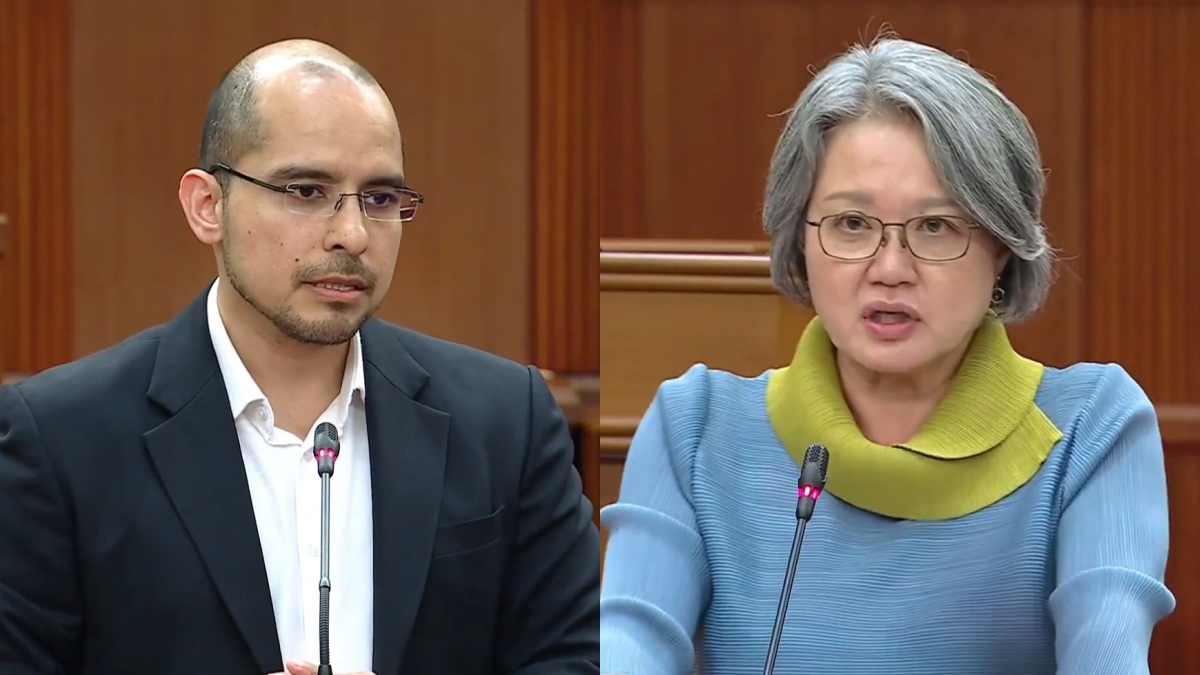
Valerie Lee, Member of Parliament for Pasir Ris-Changi GRC, asked how the Government reviews and enhances the Sports Excellence (SPEX) schemes to ensure they adequately support elite athletes’ training, welfare and long-term development, beyond medal outcomes and participation numbers.
She also sought clarification on what indicators are used to assess athlete welfare, whether athletes are consulted on satisfaction levels, and what formal mechanisms exist for athletes to raise feedback or welfare concerns objectively.
Mr Neo said the Government invests in building a strong high-performance sport system to help athletes reach their fullest potential, citing consistent performances across recent Olympic, Paralympic, Asian Games and SEA Games competitions.
He said the SPEX framework provides direct financial and programme support that is bespoke and holistic, tailored to athletes’ needs at different stages of their sporting careers.
More than 1,500 carded athletes across 55 sports are currently supported under SPEX, compared with 272 athletes across 14 sports when the scheme began in 1993. This represents a significant expansion in both scale and coverage.
Mr Neo added that the schemes are routinely reviewed and enhanced.
Recent initiatives include the introduction of the SPEX Potential programme in 2024 to support younger athletes transitioning to higher levels of competition.
The ministry has also awarded its first batch of SPEX Education Undergraduate Scholarships and introduced Central Provident Fund top-ups for SPEX scholars to strengthen financial security while they focus on training.
Beyond direct athlete support, Mr Neo said the Government continues to invest systemically in coaching development, sports science, sports medicine and athlete life management, as well as infrastructure such as the new home of Team Singapore in Kallang.
On assessment, he stressed that medals are only one measure of success.
Other indicators include day-to-day improvement, on-field performance, holistic personal development, and athletes’ ability to give back to their sport and the wider community.
Addressing feedback mechanisms, Mr Neo said athletes interact daily with coaches and support staff, work closely with their national sports associations, and have access to formal platforms such as the Athletes’ Commission to raise concerns and provide input.
Alex Yam, MP for Marsiling-Yew Tee GRC, urged the ministry to engage SNOC to expand MAP recognition to include SEA Games silver and bronze medallists, arguing that such recognition could motivate and retain emerging athletes given the biennial nature of the Games.
In response, Mr Neo said SNOC reviews the MAP periodically and determines award categories and amounts in consultation with sponsors, taking into account the level of competition and frequency of each major Games.
He confirmed that SNOC has recently completed its review and indicated that updates would be announced soon, addressing calls for enhanced recognition.
Bishan-Toa Payoh GRC MP Elysa Chen asked for a breakdown of funding allocated to national athletes competing in the SEA Games 2025 and how funding levels compare with the past five years. She also questioned whether funding models are translating effectively into competitive readiness.
Mr Neo said data from the last SEA Games showed that SPEX scholars and SPEX Potential recipients won about half of Singapore’s medals, including nearly nine in ten gold medals. Singapore Sports School students and alumni also accounted for a significant share of podium finishes.
While acknowledging these outcomes, he reiterated that performance and holistic development remain equally important measures of success.
On access for youth from lower-income families, Mr Neo said initiatives such as the School Sports Fiesta have broadened participation, with further measures to be announced during the ministry’s Budget debate to ensure sports remains accessible to children from all backgrounds.