RSF and press groups nominate detained journalist Frenchie Mae Cumpio for UNESCO prize
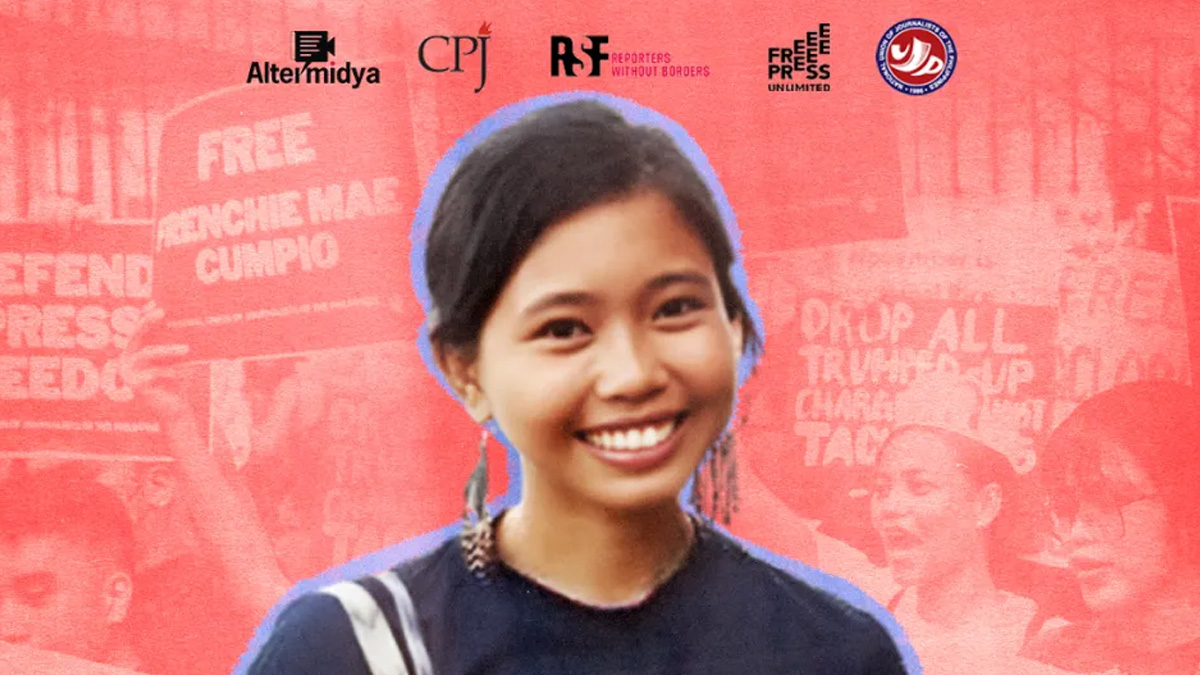
RSF and allied press freedom groups have nominated detained Filipino journalist Frenchie Mae Cumpio for the 2026 UNESCO Guillermo Cano Prize after her conviction on terrorism financing charges.
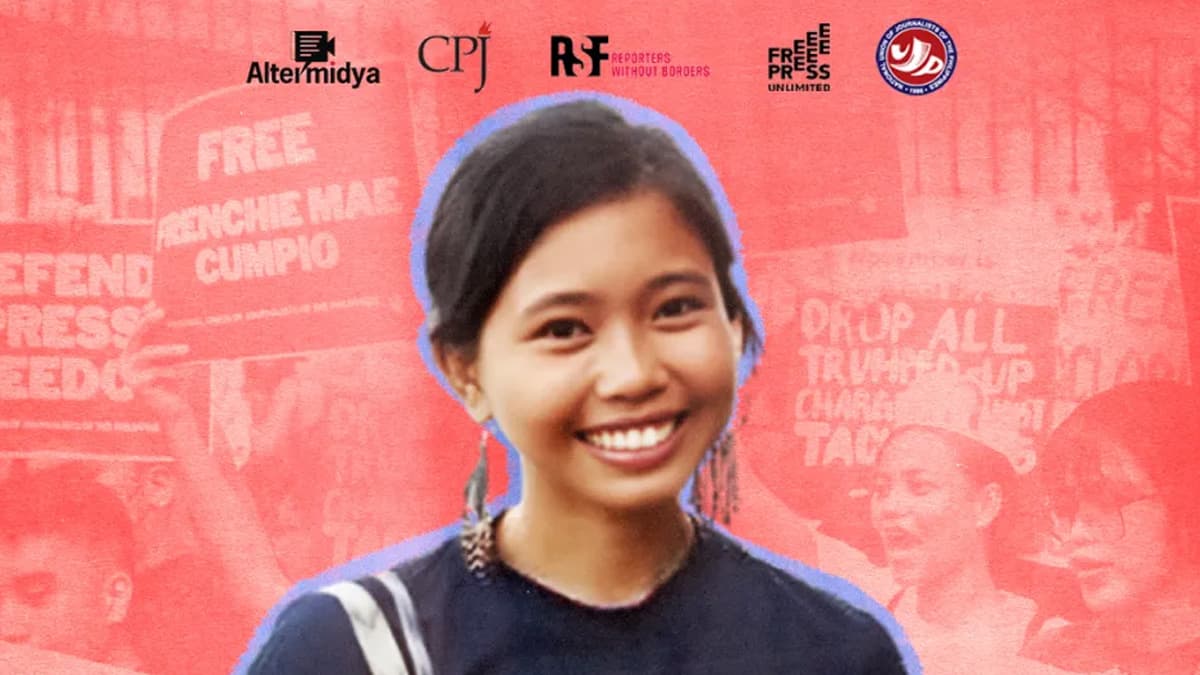
- RSF and partner organisations have nominated Frenchie Mae Cumpio for the 2026 UNESCO Guillermo Cano Prize.
- She was convicted of financing terrorism on 22 January 2026 after nearly six years in detention.
- Press freedom groups say the case reflects a worsening climate for journalists in the Philippines.
Frenchie Mae Cumpio has been nominated for the 2026 UNESCO Guillermo Cano World Press Freedom Prize by Reporters Without Borders (RSF) and allied organisations, according to a statement issued on 13 February 2026.
RSF said the nomination recognises what it described as Cumpio’s “extraordinary courage” after nearly six years in detention. She was convicted of financing terrorism on 22 January 2026 by a regional trial court in Tacloban.
The UNESCO Guillermo Cano World Press Freedom Prize was established in 1997 and honours individuals, organisations or institutions that have made an outstanding contribution to defending or promoting press freedom, particularly in the face of danger. It is named after Colombian journalist Guillermo Cano Isaza, who was assassinated in 1986 in retaliation for his reporting.
RSF nominated Cumpio alongside the Committee to Protect Journalists (CPJ) and Free Press Unlimited (FPU). The groups said she symbolises the resilience of journalists working under pressure in the Philippines.
Aleksandra Bielakowska, RSF’s Asia-Pacific Advocacy Manager, said Cumpio “embodies fearless investigative reporting” and should be recognised for investigating alleged human rights violations committed by the military.
She added that Cumpio “should be celebrated as a national icon helping shape the country’s journalism — not imprisoned on the basis of fabricated charges”.
Conviction and sentencing
Cumpio was arrested on 7 February 2020 after police and military officers raided her living quarters. She was placed in pretrial detention and faced multiple charges, including illegal possession of firearms and financing terrorism.
On 22 January 2026, the Tacloban court convicted her of financing terrorism. She received a sentence ranging from 12 years and five months to 18 years and eight months in prison.
She was acquitted of illegal possession of firearms and explosives.
International press freedom organisations have denounced the terrorism conviction as politically motivated. RSF said its own investigation raised concerns that witnesses were under military protection and involved in similar cases against civilians.
In November 2025, a separate court dismissed a murder charge related to an alleged 2019 incident. Another court ruling found no evidence to support civil forfeiture allegations that sought to label her a terrorist.
Despite these rulings, she remained detained for nearly six years before her conviction.
Reactions from press freedom groups
CPJ described the verdict as part of a broader pattern of repression.
Beh Lih Yi, CPJ’s Asia-Pacific Director, said in a statement that the ruling demonstrated that public pledges to uphold press freedom were “nothing but empty talk”. She called for Cumpio’s immediate and unconditional release.
CPJ noted that although firearms charges were dismissed, the terrorism financing conviction illustrated how authorities could use security laws to silence critical reporting.
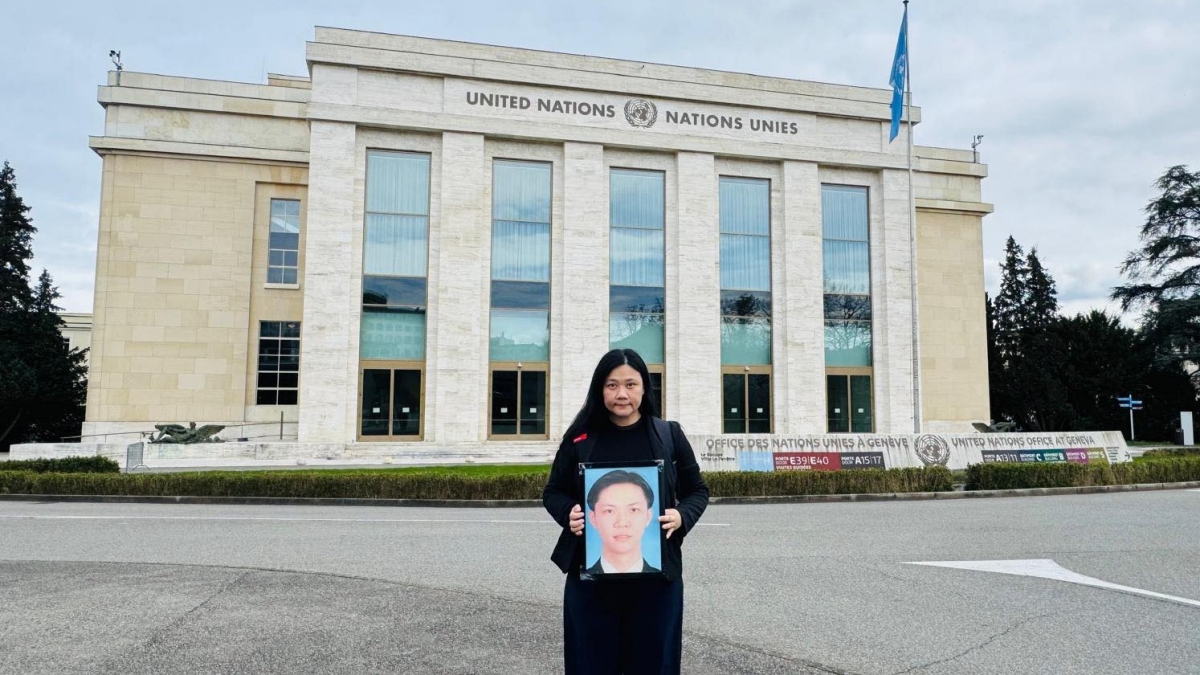
In 2023, CPJ sent a delegation to advocate for her release and later delivered a handwritten letter from Cumpio to the United Nations. Irene Khan, UN Special Rapporteur on freedom of expression, publicly read the letter and described the case as a “travesty of justice”.
CPJ was granted access to visit Cumpio in prison on 21 January 2026, one day before sentencing.
Representatives from RSF, the National Union of Journalists of the Philippines (NUJP), AlterMidya and FPU attended the court hearing. Diplomats from the Media Freedom Coalition also observed proceedings.
RSF called the ruling a “devastating failure of the Philippine justice system” and urged President Ferdinand Marcos Jr. to intervene.
The Union of Journalists of the Philippines – UP (UJP-UP) also condemned the convictions of Cumpio and fellow defendant Marielle “Maye” Domequil. The group described the charges as “trumped-up” and criticised their prolonged detention.
Background and wider concerns
Before her arrest, Cumpio served as executive director of the news site Eastern Vista and hosted a radio programme for Aksyon Radyo Tacloban (DYVL). She reported on alleged abuses by security forces and local social issues in Eastern Visayas.
Her case has frequently been cited as an example of “red-tagging”, a practice in which journalists and activists are labelled as communists or terrorists.
The Philippines ranked 116th out of 180 countries and territories in the 2025 RSF World Press Freedom Index, with the state of media freedom described as “difficult”.
In January 2026, RSF and the #FreeFrenchieMaeCumpio coalition said 90 press associations and unions had called on President Marcos to release her immediately.
Advocacy groups argue that her conviction sends a chilling signal to journalists investigating security forces and sensitive political issues.
With Cumpio now facing a lengthy prison term, domestic and international organisations have pledged to continue campaigning for her release and for broader reforms to protect press freedom in the country.