38 Oxley Road gazetted as national monument amid objections from LKY’s estate
38 Oxley Road has been gazetted as a national monument, effective 13 December, following the government's assessment of its historic significance. The move comes despite formal objections from the estate of Lee Kuan Yew, who had expressed a wish for the house to be demolished.
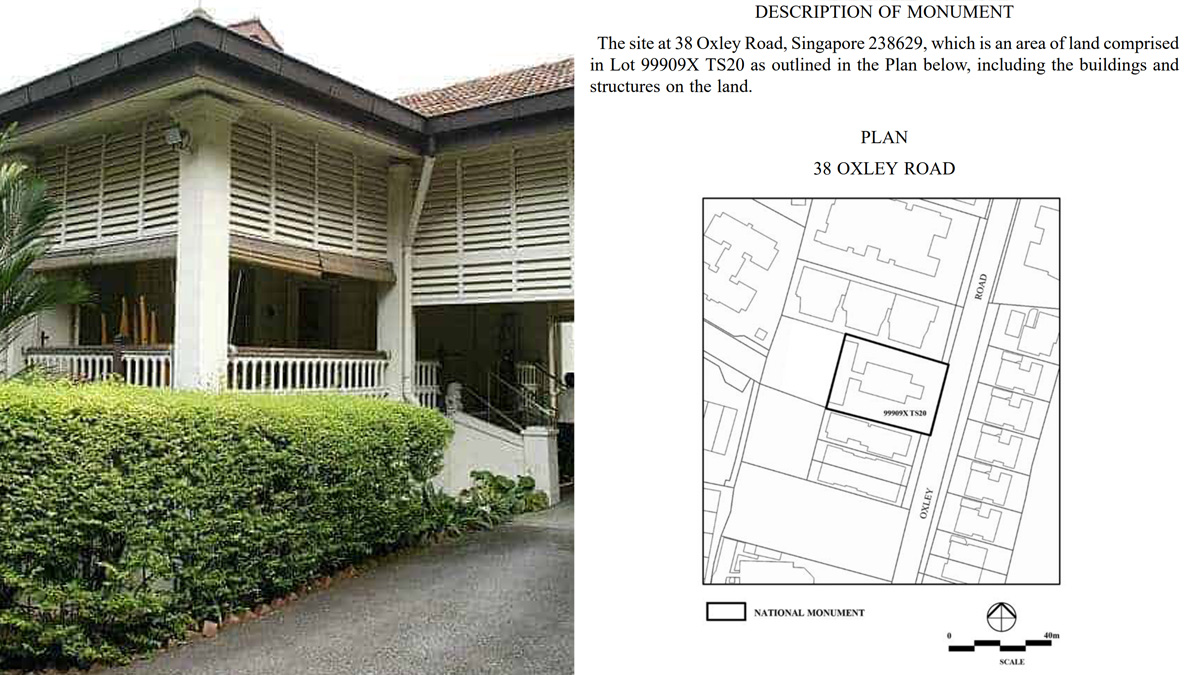
- 38 Oxley Road gazetted as national monument from 13 December despite estate objections.
- Lee Hsien Yang, executor of Lee Kuan Yew’s will, says move dishonours the late leader’s wishes.
- Government argues site holds unique historic value, though physical changes to the house are acknowledged.
The Singapore government has officially gazetted the site at 38 Oxley Road as a national monument, making it the country’s 77th such designation.
The decision, which takes effect from 13 December 2025, was announced by the Ministry of Culture, Community and Youth (MCCY) and the National Heritage Board (NHB) on 12 December.
The gazette follows a recommendation by the Preservation of Sites and Monuments (PSM) Advisory Board, which found the site to be of historic significance and national importance.
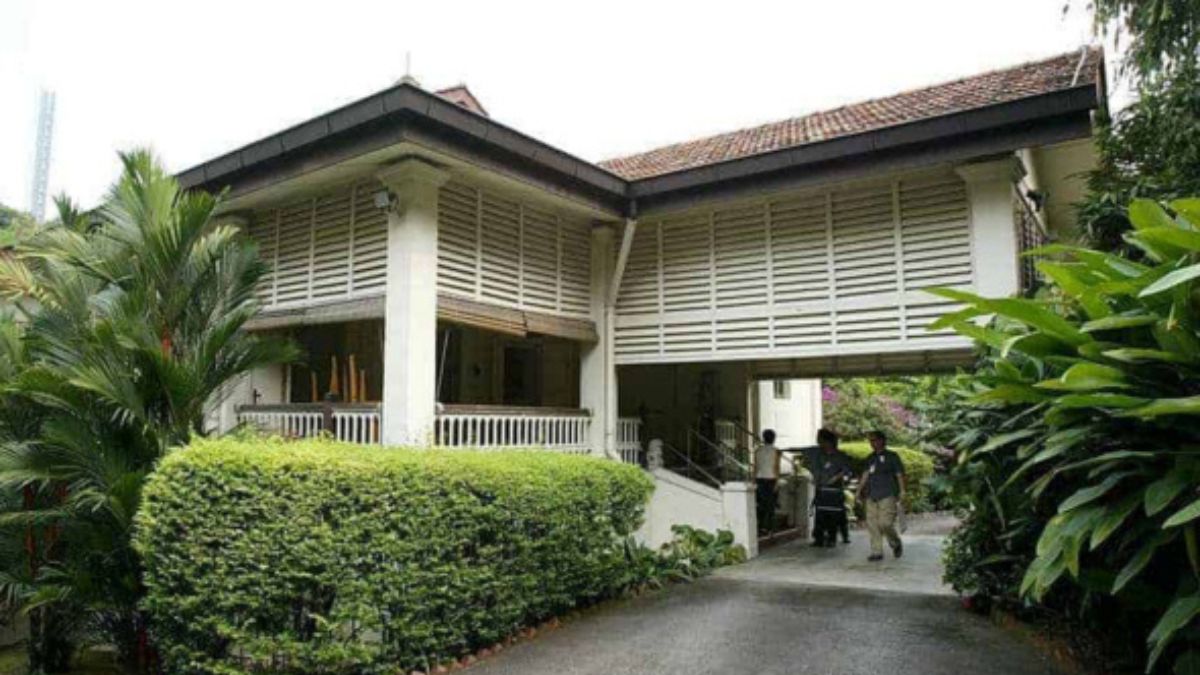
The one-storey bungalow was the long-time residence of founding prime minister Lee Kuan Yew and served as the venue for key political discussions in the 1950s that preceded Singapore’s independence.
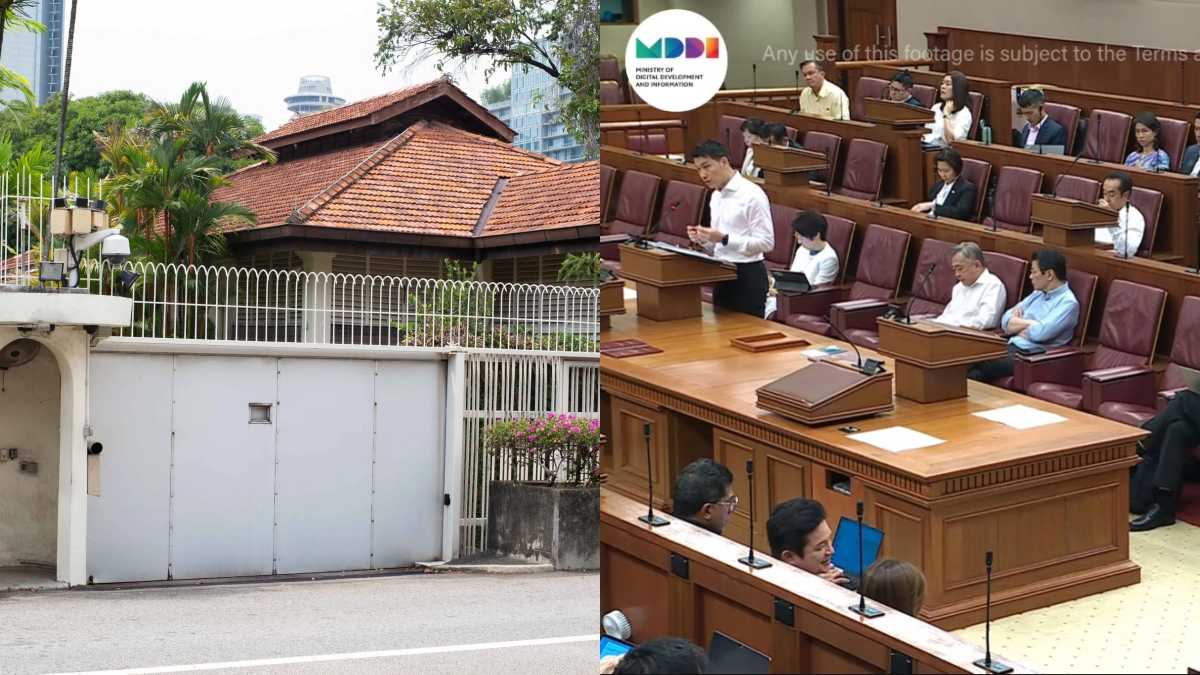
Acting Minister for Culture, Community and Youth David Neo reviewed the objections submitted by Lee Hsien Yang, son of Lee Kuan Yew and executor of his will, before proceeding with the Preservation Order. The government confirmed that the formal objection was received on 17 November 2025.
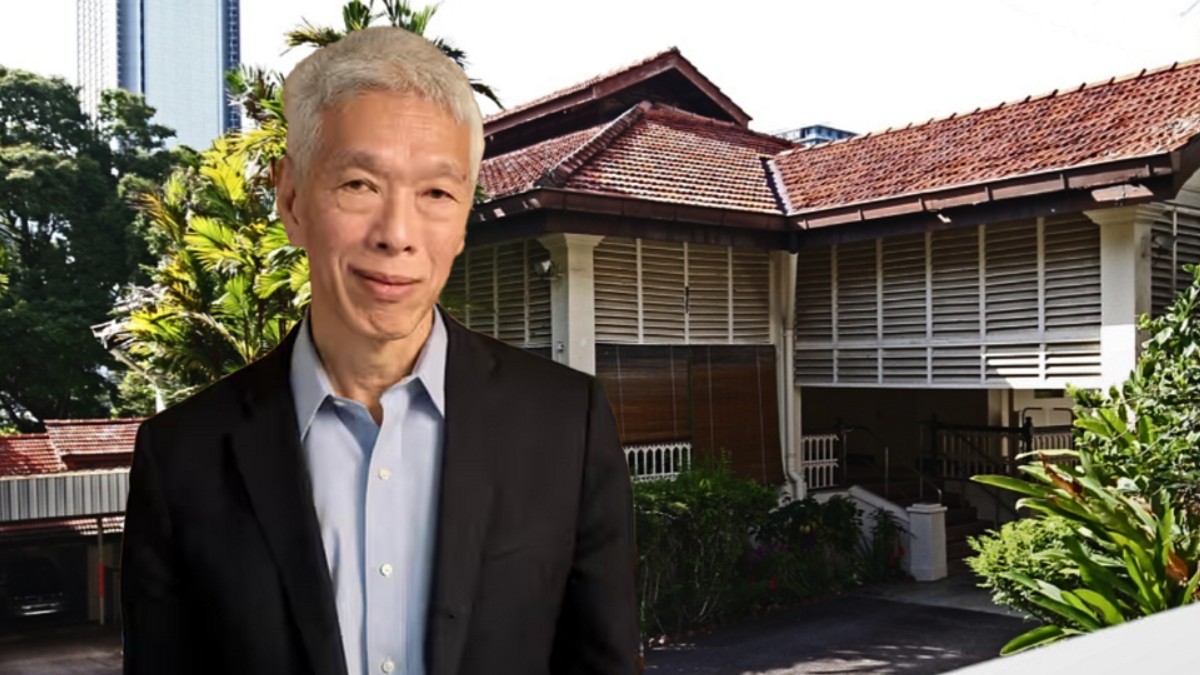
In his written submission, previously published online and addressed to the Prime Minister, Lee Hsien Yang argued that his father had been “clear and unambiguous” in expressing a wish for the house to be demolished. He characterised the preservation as “a monument to the PAP’s dishonour of Lee Kuan Yew”.
However, the MCCY noted that Lee Hsien Yang’s objection did not challenge the assessment of the site’s historic value, nor the process by which it was recommended for preservation. The government maintains that the decision is based on the site’s role in Singapore’s formative years and not on individual preferences.
The government clarified that gazetting the site does not mean retaining the house and its structures in their existing form.
“Preserving the Site does not mean preserving the building and structures onsite in their current form,” the release stated. Final decisions regarding the building’s treatment will be made following detailed studies, which can only begin after the property is acquired.
Still, officials have committed to removing all private living spaces and preserving only areas relevant to national history. “Under no circumstances will the interior of the house as Mr Lee knew it be displayed, recorded, remodelled or duplicated elsewhere,” the statement read.
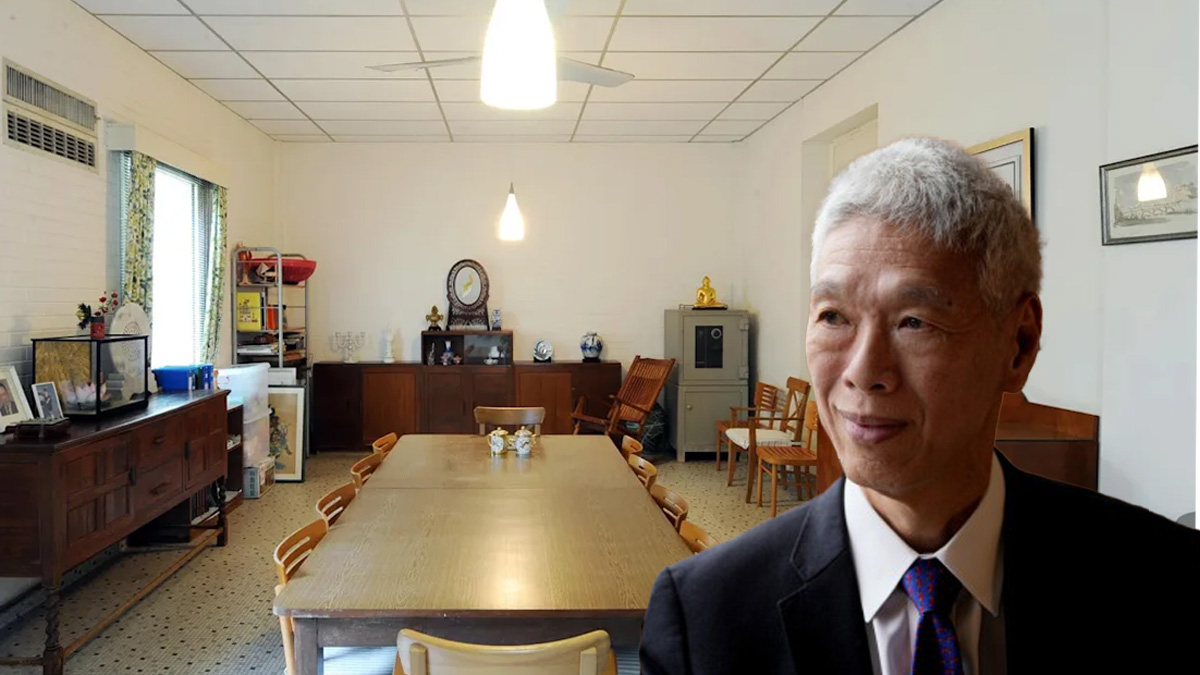
The basement dining room of the bungalow is widely associated with early discussions among Singapore’s founding political leaders.
These included Lee Kuan Yew, Dr Goh Keng Swee, Dr Toh Chin Chye, S. Rajaratnam, and K. M. Byrne, who met there in the early 1950s to explore the formation of a new political party. The site later served as the first headquarters of the People’s Action Party from 1954 until 1959.
Yet, questions remain about the authenticity of the preserved space.
In an interview with the Financial Times published on 19 November, Lee Hsien Yang stated that the basement was “renovated in the 1970s” and no longer resembled its original form. “The house is nothing like it was in the 1950s — are they really going to reinstate it to what it looked like then?” he asked in that earlier interview.
In his objection letter, Lee Hsien Yang further cited passages from his father’s will, which indicated that the house was not to be opened to others “except my children, their families and descendants”, should demolition be blocked. He described the preservation plan as reliant on “false, convoluted and self-contradictory arguments”.
The government, however, maintains that the preservation is in the national interest. According to David Neo, the site witnessed pivotal events in the country’s independence movement, offering “a unique and foundational part of the story of Singapore’s independence”.
With the Preservation Order now in effect, the government will begin the acquisition process. Once acquired, the site cannot be redeveloped for residential, commercial or private use. Authorities will study its condition before deciding on the next steps, which may include converting it into a public heritage space or park.
Although public attention has long focused on whether Lee Kuan Yew’s wishes should be honoured strictly, the government has reiterated that the broader objective is to allow future generations to reflect on Singapore’s founding values and the physical spaces in which those were forged.