‘An inconclusive debate’: Leong Mun Wai criticises Indranee's motion on Pritam Singh’s role
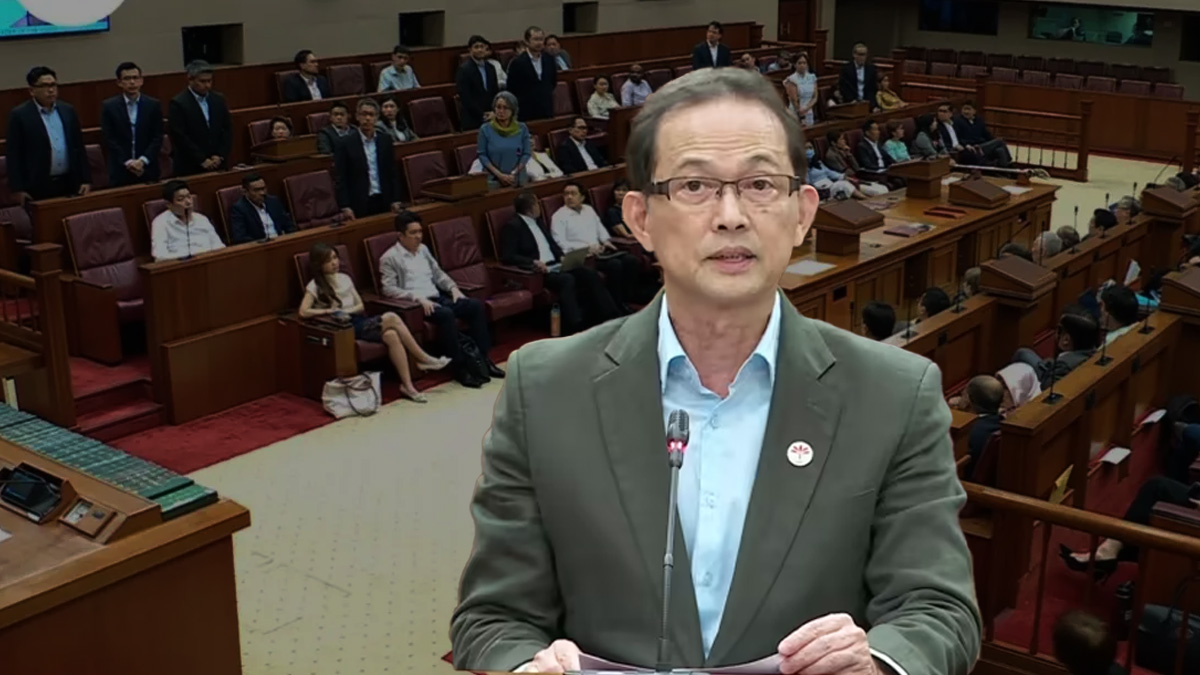
PSP secretary-general Leong Mun Wai described Parliament’s debate on a motion against Pritam Singh as “inconclusive”, urging clarity on the Leader of the Opposition role and a renewed focus on Singapore’s pressing socio-economic challenges.
- Singapore Parliament passed a motion stating that Workers’ Party chief Pritam Singh should not continue as Leader of the Opposition after his conviction.
- PSP secretary-general Leong Mun Wai criticised the debate as “inconclusive” and called for clarity and institutional reforms.
- The episode has renewed debate over the role of the Leader of the Opposition and Parliament’s focus on wider national challenges.
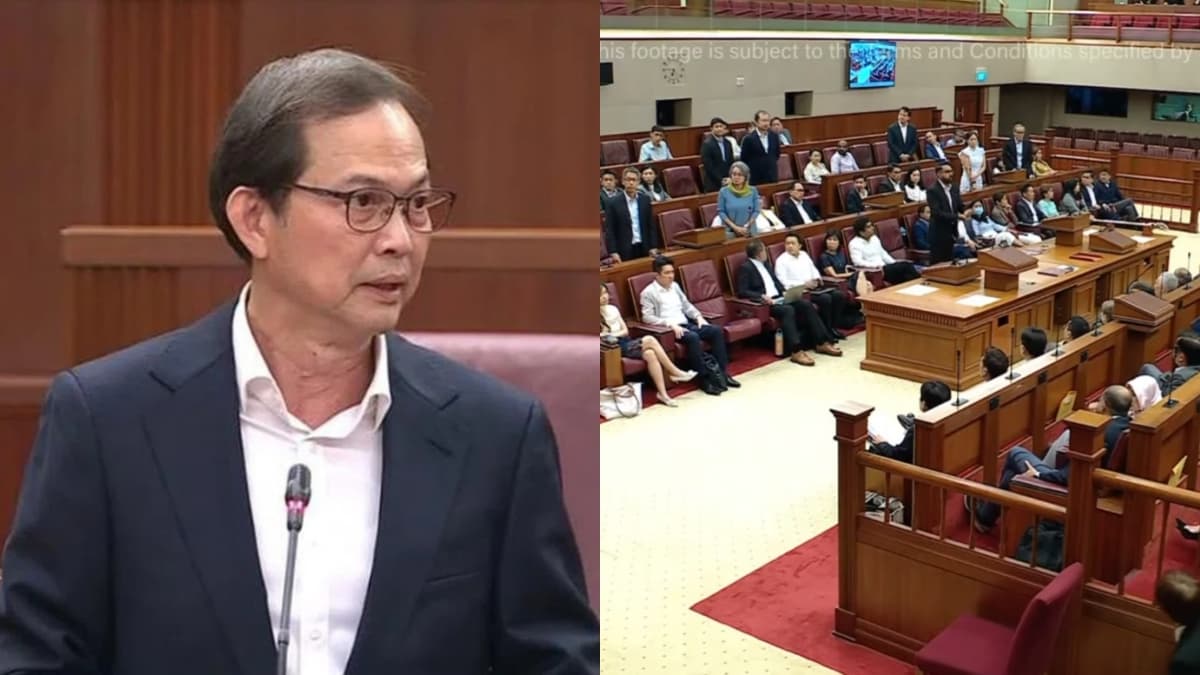
Singapore’s Parliament passed a motion on 14 January 2026 stating that Workers’ Party chief Pritam Singh should not continue as Leader of the Opposition following his conviction for lying to a parliamentary committee.
The motion, moved by Leader of the House Indranee Rajah, was approved after nearly four hours of debate.
People’s Action Party MPs and several Nominated MPs supported it, while all 11 Workers’ Party MPs present dissented by standing in opposition.
Following the debate, Progress Singapore Party secretary-general Leong Mun Wai issued a statement criticising both the substance and outcome of the proceedings.
He described the discussion as “an inconclusive debate” that failed to provide closure on the status of the Leader of the Opposition role.
“I am disappointed that we did not get closure during the motion today. It is just another chapter of a long-running saga,” Leong said in his statement.
He stressed that the Leader of the Opposition role remained important for Singapore’s democratic development.
Leong, also a former Non-Constituency MP, urged the Government to take clear and prompt action on three points.
These included making a decision on Pritam Singh’s fate as Leader of the Opposition, appointing a replacement if the Prime Minister chose to remove him, and institutionalising the role in Parliament’s Standing Orders or the Constitution.
He noted that during the debate, the Leader of the House had emphasised the significance of the Leader of the Opposition position. However, he observed that the Government had also said it was not asking Singh to resign as a Member of Parliament.
Leong argued that the lack of a definitive resolution risked prolonging political uncertainty. He also called on both the Government and the Opposition to redirect attention towards issues affecting Singaporeans’ daily lives.
“Looking ahead, Singapore faces serious challenges – workforce disruption, rising costs of living, and widening inequality,” he said. “These are issues that weigh heavily on many Singaporeans, and they deserve Parliament’s full attention.”
Leong concluded by urging cooperation across political lines. He said that during the current parliamentary term, both the Government and the Opposition should focus on delivering “concrete and meaningful progress” for Singaporeans.
Pritam Singh backs integrity pledge; rejects Indranee's motion against him
During the parliamentary debate, Indranee Rajah cited a High Court judgment that upheld Singh’s conviction for lying to the Committee of Privileges. According to the motion, the court found that Singh had guided former Workers’ Party MP Raeesah Khan to maintain a falsehood in Parliament.
The motion argued that such conduct rendered Singh unsuitable to continue as Leader of the Opposition.
Indranee said allowing him to remain in the role would undermine Parliament’s standing and erode public confidence.
The motion also referred to implications for Workers’ Party chair Sylvia Lim and party member Muhamad Faisal bin Abdul Manap, arising from the Committee of Privileges’ findings.
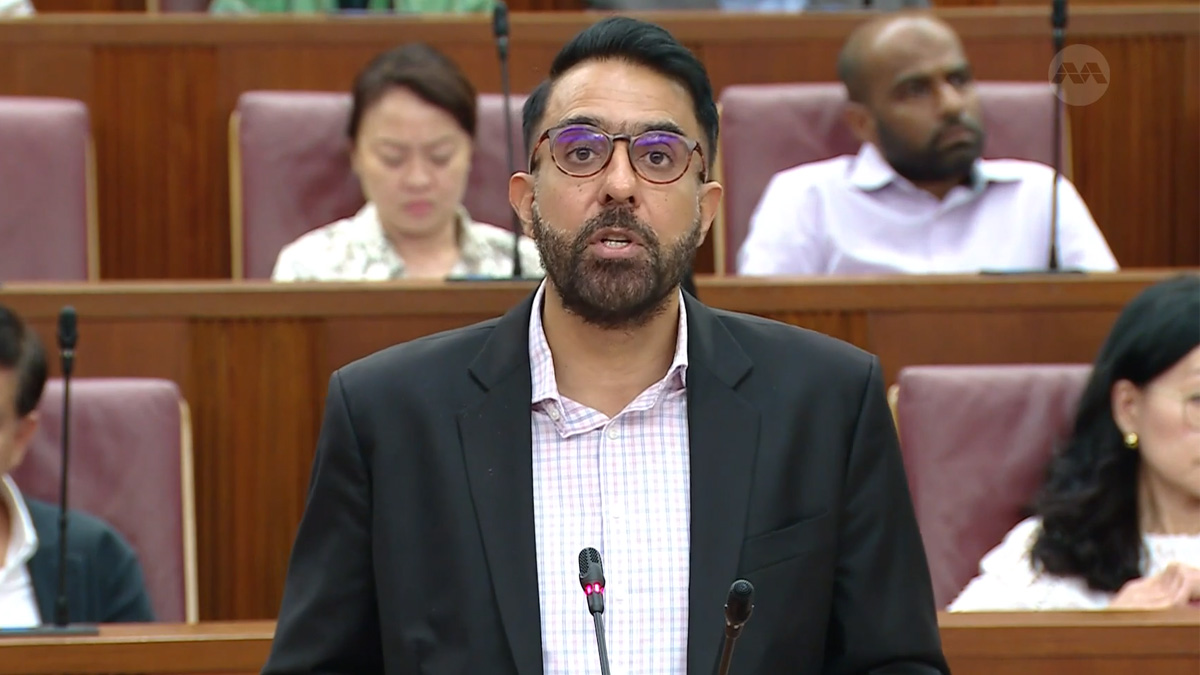
In his response, Pritam Singh told Parliament that he had lifted the Workers’ Party whip to allow MPs to vote freely on the motion. He said his full defence submissions were publicly available and accepted that the legal process had concluded.
However, Singh reiterated that he disagreed with the judgment and maintained that he had never told or guided Raeesah Khan to lie. He said his conscience remained clear and supported a general resolution affirming honesty and integrity in politics.
Singh rejected other parts of the motion, arguing that the committee’s findings went beyond the charges brought against him. He cited court remarks to dispute claims that his actions implied endorsement of Khan’s lie, adding that prosecutors would have framed additional charges if sufficient evidence existed.
He also rejected the view that his conduct was dishonourable or that his continuation as Leader of the Opposition undermined public confidence.
Singh noted that the role was neither constitutional nor statutory and opposed any action against Sylvia Lim and Faisal Manap.
WP to hold special cadre conference after disciplinary review of Pritam Singh
Separately, the Workers’ Party has initiated internal disciplinary proceedings.
The party announced on 3 January 2026 that it would convene a Special Cadre Members’ Conference following an internal process to assess whether Singh breached the party’s Constitution.
A disciplinary panel has been formed, and the party has pledged to complete the process within three months.
It said a notice for the Special Cadre Members’ Conference would be issued within two weeks, reaffirming its commitment to due process and internal accountability.
The parliamentary motion has sparked broader public debate.
While some view it as a necessary assertion of standards for elected officials, others question whether repeated parliamentary action is proportionate, given that the courts have ruled and the fine has been paid.