PSP's Leong Mun Wai questions non-partisan claim of NMP scheme after Pritam Singh debate
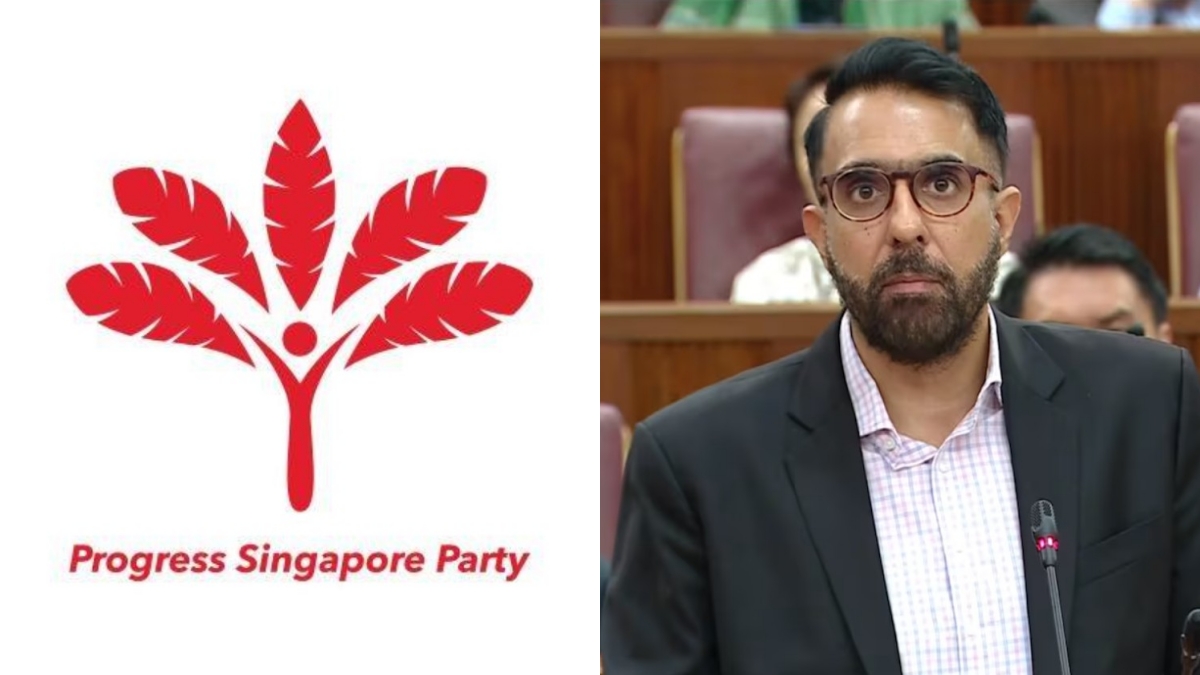
Progress Singapore Party chief Leong Mun Wai has called for a re-evaluation of the Nominated Member of Parliament (NMP) scheme, citing its politicised role in the recent censure motion against Pritam Singh.
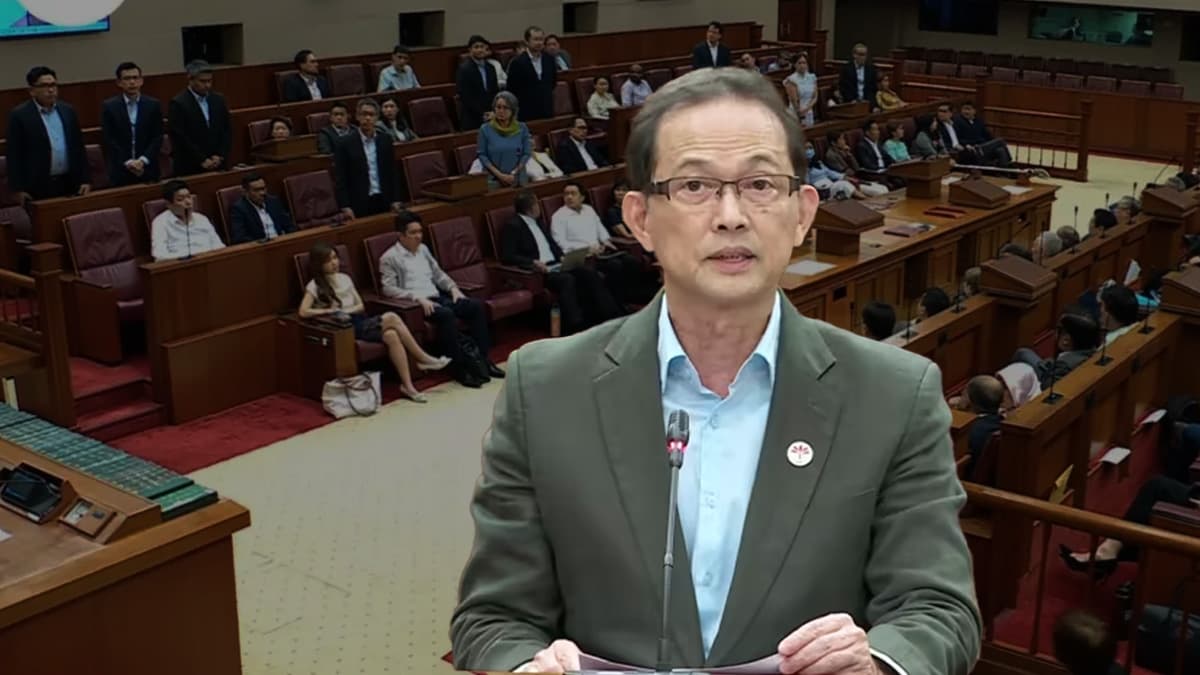
- PSP Secretary-General Leong Mun Wai says NMPs’ participation in the censure motion against Pritam Singh has undermined their claim to non-partisanship.
- Leong points to the appointment of a former PAP member and an NMP who later became a PAP MP as signs of politicisation.
- He calls for legal reforms to restore the neutrality of the scheme—or for its role to be reconsidered.
Progress Singapore Party (PSP) Secretary-General Leong Mun Wai has issued a public statement on the party's Facebook page questioning the credibility of Singapore’s Nominated Member of Parliament (NMP) scheme, following the active participation of NMPs in a parliamentary motion to censure Workers’ Party (WP) chief and Leader of the Opposition Pritam Singh.
Leong, who attended the 14 January 2026 sitting, said that while the NMPs who spoke were professionally qualified and could contribute meaningfully to Parliament, their decision to support the motion has “further damaged the credibility of the NMP scheme.”
The motion, tabled by Leader of the House Indranee Rajah, declared Singh “unfit” to continue as Leader of the Opposition following his conviction for lying to a parliamentary committee.
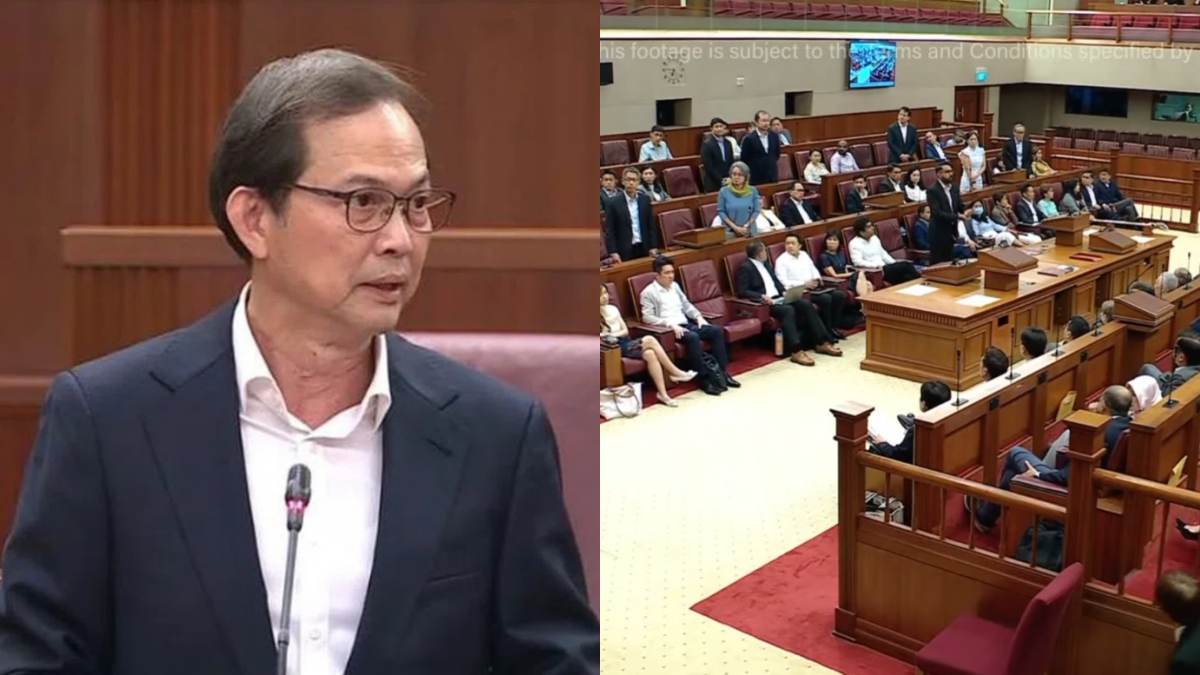
Eight NMPs were present during the debate, with three—Kuah Boon Theng, Mark Lee, and Neo Kok Beng—rising to speak in support of the motion. All eight voted in favour of it.
Leong argued that their participation blurred the boundary between independent contribution and political partisanship. “On paper, NMPs do not belong to any political party,” he wrote. “Their participation in the debate helps to undercut criticism that the motion is a partisan hit job.”
However, Leong said the effect of such participation was the opposite—giving the motion the appearance of neutrality while advancing a politically charged outcome.
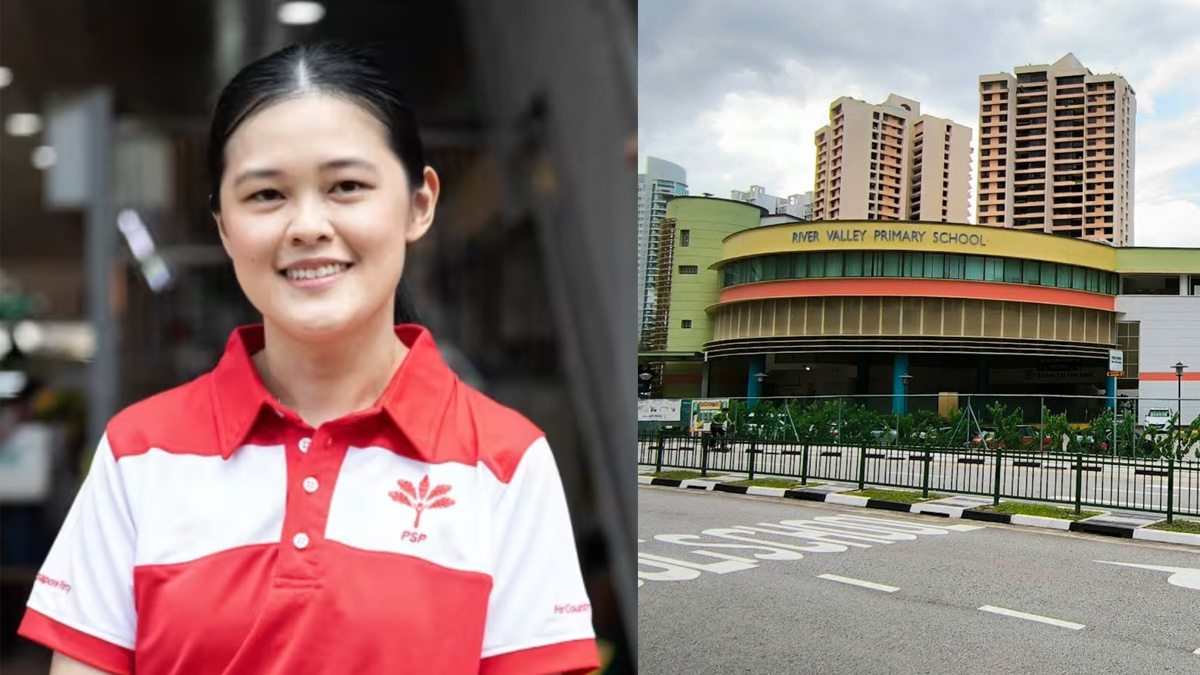
One of the NMPs sworn in this term, Dr Haresh Singaraju, was previously a PAP member and held several grassroots leadership positions in Tampines West.
He also attended at least one PAP tea session, commonly seen as part of the party’s candidate vetting process. A resurfaced photograph of him wearing a PAP-branded T-shirt at a 2023 Meet-the-People Session prompted further scrutiny of his neutrality after his nomination was confirmed.
Although Dr Haresh later clarified that he is no longer a party member, the incident has reinforced questions over whether the NMP selection process adequately filters for independence. Final appointments are made by a Special Select Committee chaired by the Speaker of Parliament and composed predominantly of PAP senior MPs. The only opposition member is Workers' Party MP Louis Chua.
Leong pointed out that in the last Parliament, another NMP—Dr Syed Harun Alhabsyi—resigned from his post before completing his term, later stood as a PAP candidate in the 2025 General Election, and is now a Senior Parliamentary Secretary.
“This has never happened before,” Leong wrote. “When NMPs speak, can the public believe that they are not speaking to audition for elected office in the future?”
He also noted that since the vote on the repeal of Section 377A in 2022, no NMP has taken a voting position that diverged from that of PAP MPs.
Leong argued that while NMPs were meant to contribute sectoral and independent views to Parliament, the scheme has evolved into a channel for politically-aligned individuals who do not bear electoral accountability.
Calling for urgent reforms, Leong proposed strengthening the independence and neutrality of the scheme in law—beginning with a review of the selection process. Without such safeguards, he said, the role and relevance of the NMP scheme should be “seriously reconsidered.”
Leong’s concerns were echoed by other commentators. Associate Professor Walid Abdullah of Nanyang Technological University, in remarks following the 14 January session, observed, “I think yesterday’s session was perhaps the penultimate or final nail in the coffin of the NMP scheme.”
The Nominated Member of Parliament scheme was introduced in 1990 to provide independent, non-partisan perspectives in Parliament from individuals who might not enter politics through electoral routes.
NMPs are intended to represent professional, academic, artistic, or civil society sectors without the influence of party politics. They are appointed, not elected, and are prohibited from belonging to any political party during their term.
However, recent developments have raised persistent concerns about the scheme’s neutrality, prompting renewed debate about whether its original purpose still holds.