Anwar Ibrahim says due process respected in Singapore’s capital sentencing of Malaysian drug offenders
Malaysian Prime Minister Anwar Ibrahim said Malaysia respects due process in Singapore’s capital sentencing of Malaysian drug offenders, while PM Lawrence Wong reaffirmed Singapore’s firm anti-drug stance at the Singapore–Malaysia Leaders’ Retreat.
- Prime Minister Anwar Ibrahim affirmed that due process was respected in Singapore’s capital sentencing of Malaysian drug offenders.
- Prime Minister Lawrence Wong said the issue was not discussed during the Leaders’ Retreat and reiterated Singapore’s long-standing anti-drug stance.
- Recent executions and a new legal challenge have renewed scrutiny of Singapore’s mandatory death penalty for drug trafficking.
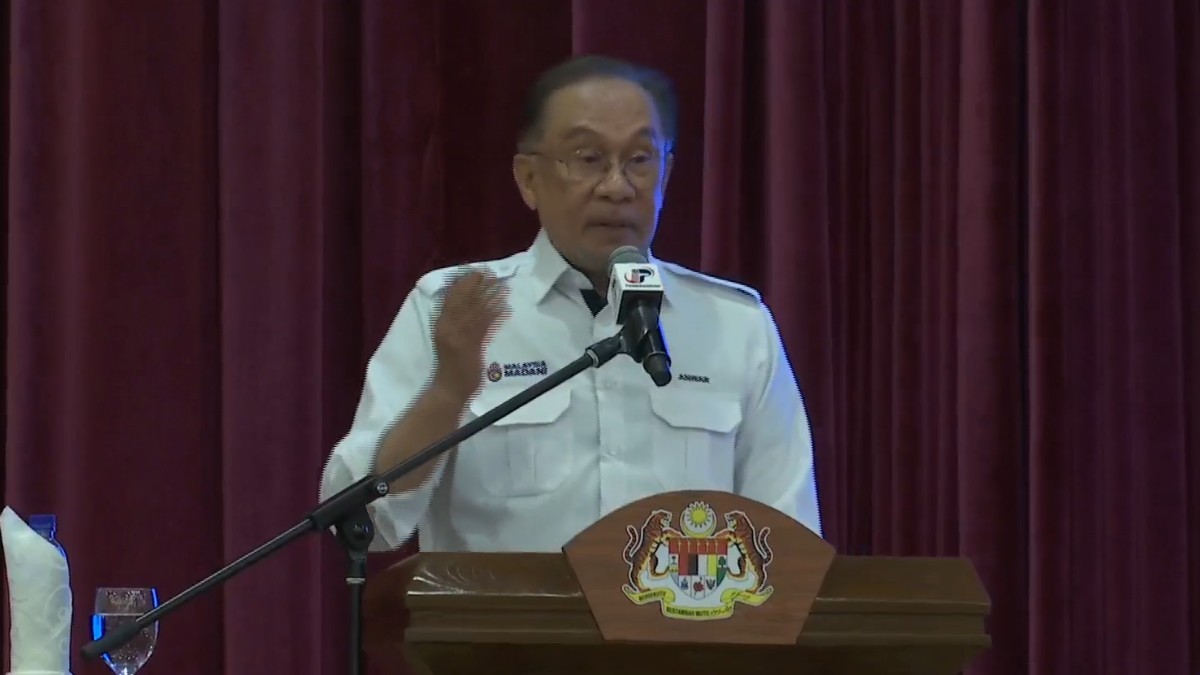
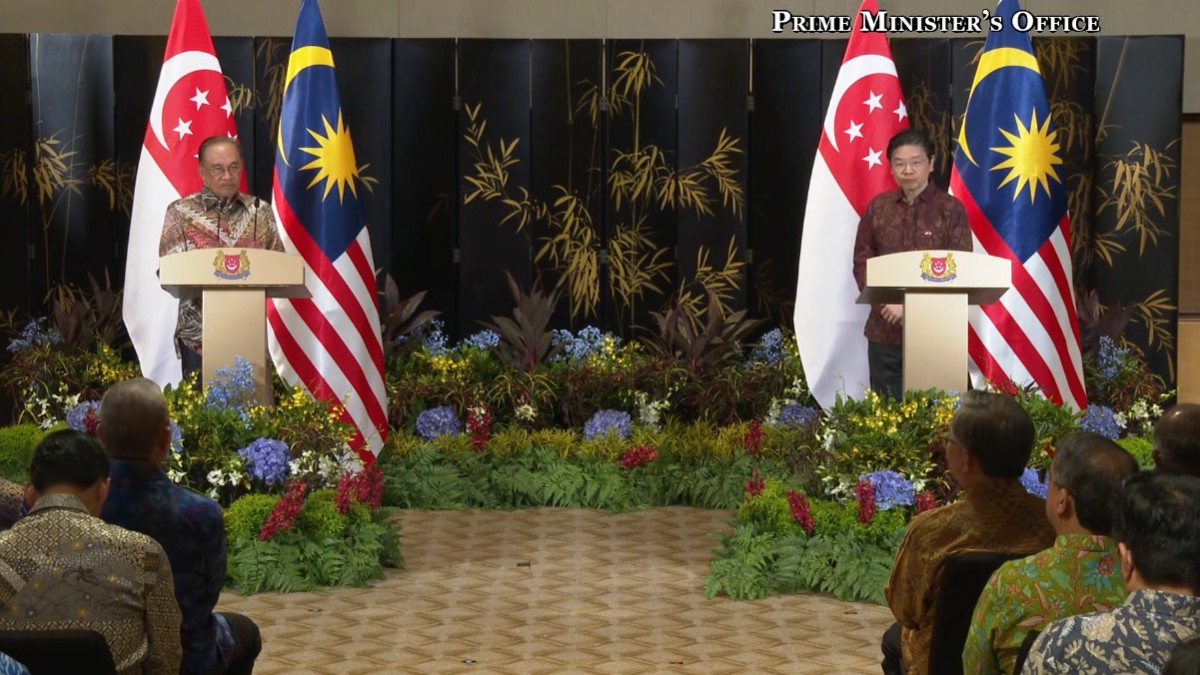
SINGAPORE: At the 12th Singapore–Malaysia Leaders’ Retreat in Singapore on 4 December 2025, Prime Minister Anwar Ibrahim said Malaysia recognises that due process was respected in Singapore’s capital sentencing of Malaysian drug offenders.
He made the remarks during a joint press conference, responding to a question from a Malaysian reporter about bilateral discussions on drug-related issues.
Anwar noted that Malaysia also faces a serious drug problem and has historically taken a strong stance against trafficking.
He said this stance remained even after Malaysia amended its laws to remove the mandatory death penalty.
According to Anwar, families of convicted persons retain the right to appeal on compassionate grounds.
However, he emphasised that once Singapore’s courts have decided a case, Malaysia respects the outcome as the result of due legal process.
He added that such cases should not be used for political purposes.
Any representation he makes, he said, would be limited to conveying families’ concerns rather than seeking to condone drug-related offences.
Singapore reiterates long-standing and widely supported anti-drug policy
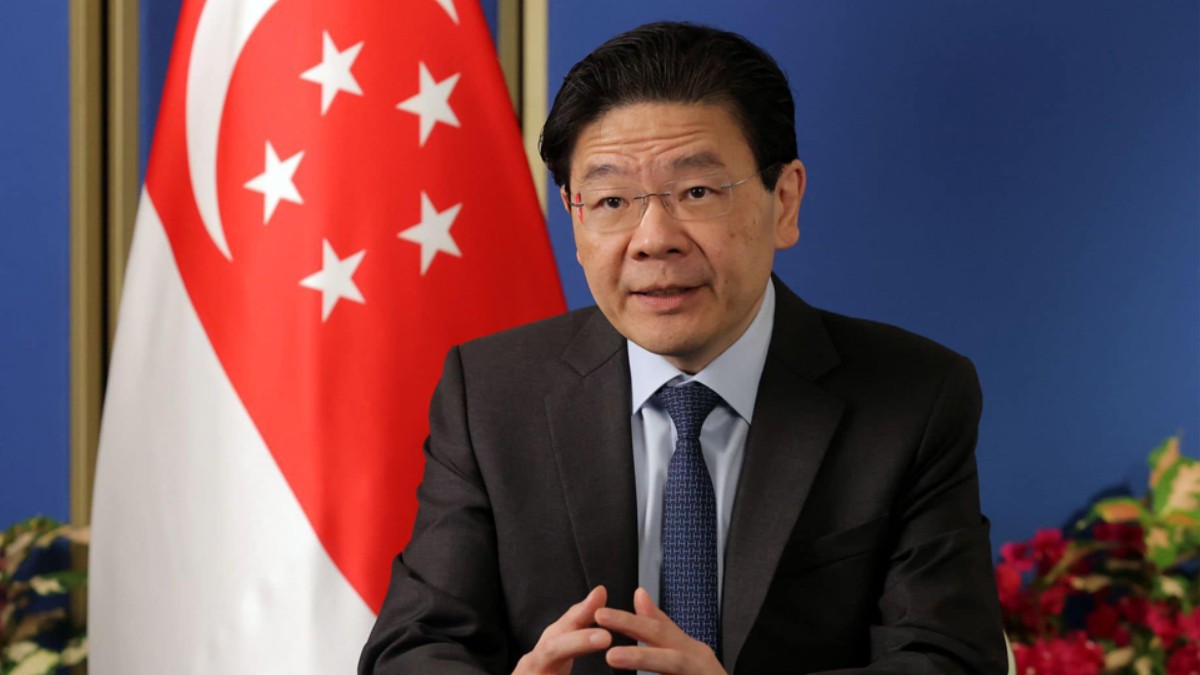
Prime Minister Lawrence Wong said the matter of capital punishment had not been raised during the leaders’ bilateral discussions.
According to Wong, Singapore’s stance on drug trafficking has been consistent for decades and continues to enjoy strong domestic support. He said the policy is aimed at ensuring an environment free from drugs, particularly for families and children.
Wong added that Singapore hopes other countries understand the rationale for the policy and respect its implementation, noting that it did not cause bilateral issues during the retreat.
Singapore records highest annual number of executions since 2003
Singapore’s position comes amid a series of recent executions.
According to reports, Singapore executed three individuals for drug offences last week, bringing the total number of executions this year to 17, the highest annual figure since 2003.
Among those executed was logistics driver Saminathan Selvaraju, a Malaysian national convicted of transporting 301.6g of heroin into Singapore in November 2013.
Investigators found pre-written immigration cards bearing his signature, including one listing the Singapore address where the drugs were later discovered.
Saminathan denied writing the cards and said multiple drivers used the vehicle, but the court rejected his defence.
He was executed on 27 November 2025.
His execution followed those of Malaysian nationals Datchinamurthy in September and Pannir Selvam Pranthaman in October 2025, according to rights groups monitoring the cases.
Fresh constitutional challenge mounted against mandatory death penalty
On 3 December 2025, activists launched a new legal challenge against Singapore’s mandatory death penalty for certain drug crimes.
Four human rights activists and relatives of three executed prisoners attended the behind-closed-doors hearing.
Campaigners argue that the mandatory death penalty breaches constitutional protections relating to life and equality. They contend that the current framework restricts judicial discretion despite amendments made in 2012.
According to Kokila Annamalai, co-founder of the Transformative Justice Collective, judges are unable to consider factors such as coercion, poverty, or personal circumstances under existing law.
Previous challenges, including one in 2010, were unsuccessful,