Chinese worker killed by falling steel bar at Tuas site, Coroner flags safety lapses
A 46-year-old Chinese worker died after a 62kg steel bar fell on him at the Tuas Water Reclamation Plant site. MOM investigations found safety lapses involving unsecured wire ties. A coroner ruled it a work-related accident, with enforcement actions under consideration.
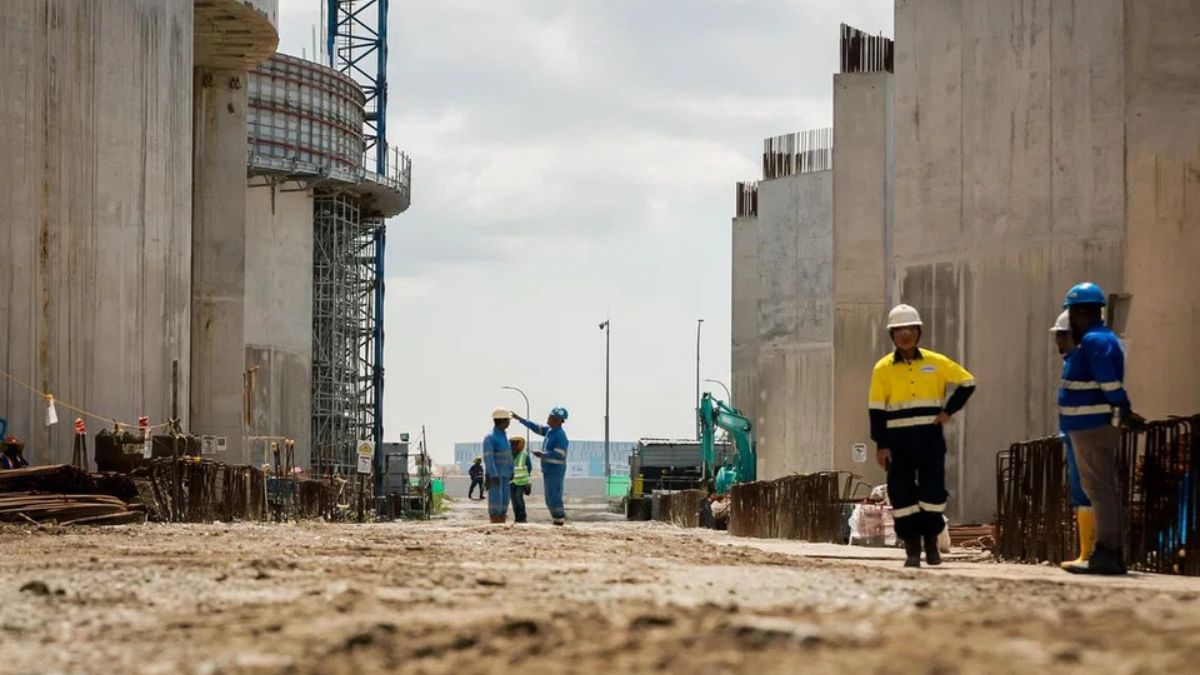
- A 46-year-old Chinese worker, Zhan Fugui, died after a 62kg steel rebar fell from 6.4m at the Tuas Water Reclamation Plant site, caused by wire ties being loosened during work at height.
- MOM investigations found probable safety lapses, including removed wire ties and insufficient securing of the rebar; the coroner ruled it a work-related accident, and enforcement action is being considered.
- Workers had long overnight shifts with significant overtime, and a safety timeout was imposed as WSH authorities reminded firms to mitigate falling-object risks and ensure proper training.
SINGAPORE: A 46-year-old Chinese construction worker died after he was struck by a falling steel bar at a Tuas construction site in the early hours of 18 October 2024, highlighting serious lapses in workplace safety and the need for stricter compliance.
The accident occurred at around 3am at the Tuas Water Reclamation Plant along Tuas Nexus Drive, a major infrastructure project under national water agency PUB.
The worker, Chinese national Zhan Fugui, was employed by DKS Builders, which supplied reinforced concrete workers to sub-contractor Heng Tai Construction (HTC).
HTC had been engaged by Sinohydro Corporation, the main contractor for the site.
Sequence of Events
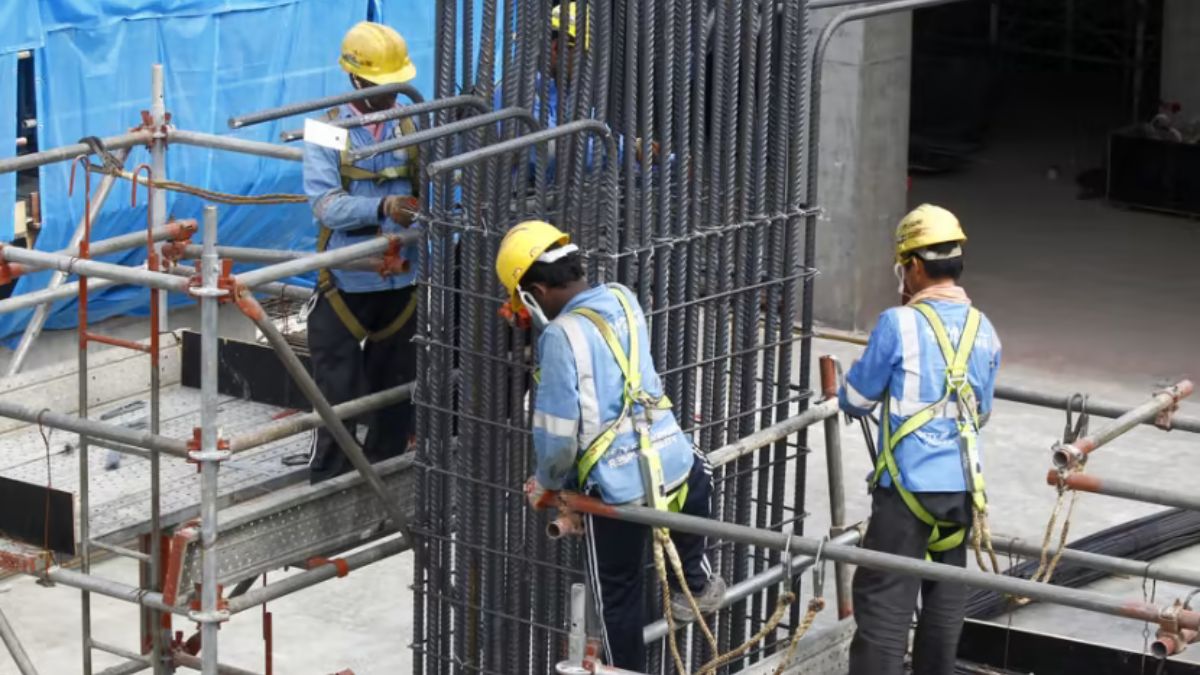
At the time of the incident, Zhan had been working on the ground level at the rear of a steel reinforcement structure, while his colleague Feng Rujun was positioned on scaffolding above him on the front face.
As Feng attempted to prise and shift an obstructing rebar, Zhan moved from the rear to the front of the structure.
A 9.8m-long steel rebar, weighing around 62kg, then dislodged from a height of approximately 6.4m and fell, striking Zhan.
A Sinohydro assistant manager later found him unconscious on the ground, with his helmet shattered.
Zhan was rushed to the National University Hospital but succumbed to severe skull and brain injuries at around 9.25am the same day.
Coroner Highlights Lapses and Safety Concerns
In findings issued on 28 November, Coroner Brenda Chua stressed the urgent need for strict adherence to workplace safety rules to prevent similar incidents.
Investigations by the Ministry of Manpower (MOM) revealed that the steel bar had been inadequately secured.
MOM officer Shaun Teo Wei Rong told the court that Feng had not applied a thicker wire tie to secure the dislodged rebar—ties typically used to fasten horizontal steel bars and reduce the risk of them falling.
Investigators found that Feng had likely loosened or removed up to 12 of the 32 wire ties holding the rebar in place. He may have prised, hammered, or pivoted on the bar, exerting enough force for the remaining ties to fail, causing it to drop.
Feng told investigators that he believed no one was beneath him at the time and that he had no opportunity to warn Zhan.
PUB later said a safety timeout had been imposed at the site to review procedures involving steel bars.
Police do not suspect foul play.
Zhan’s wife, who lives in China with their 21-year-old son, did not raise concerns about the circumstances of his death.
Work Hours and Compliance Under Review
Coroner Chua accepted MOM’s findings and ruled the incident a work-related accident.
MOM is considering enforcement action against the parties involved, though no further details were provided.
According to MOM’s investigation report, Sinohydro had a workplace safety and health management system in place.
HTC had also conducted a risk assessment, established safe work procedures for reinforced concreting, and provided supervision and safe access at heights.
Both Zhan and Feng had been working 8pm to 8am, Mondays to Saturdays, with around two hours of rest each night.
In the three months before the incident, they clocked an average of 38 hours and 41 hours of overtime per month, respectively—figures MOM is still assessing.
Under Singapore regulations, employees may work up to 72 overtime hours monthly.
The Workplace Safety and Health (WSH) Council has since issued an advisory urging companies to identify risks of falling objects and ensure that only workers with proper WSH training are deployed for high-risk tasks.