Dangerous but lowly paid: Rights group urges stronger protections for migrant labourers in rebar construction
A workers’ rights group has called for stronger protections for construction migrant labourers, highlighting unsafe and low-paid rebar work. Citing the fatal Tuas accident involving Zhan Fugui, it questioned whether workers’ lives are valued fairly given the daily risks they face.

- A workers’ rights group, Workers Make Possible, called for stronger protections for migrant labourers in Singapore’s construction sector, highlighting the dangers of rebar work and low wages.
- The group cited the 2024 death of Zhan Fugui, who was killed by a falling steel bar, to underscore the daily risks faced by rebar workers.
- The organisation criticised construction company bosses for high salaries despite workers bearing far greater physical risks, questioning whether their lives are valued fairly.
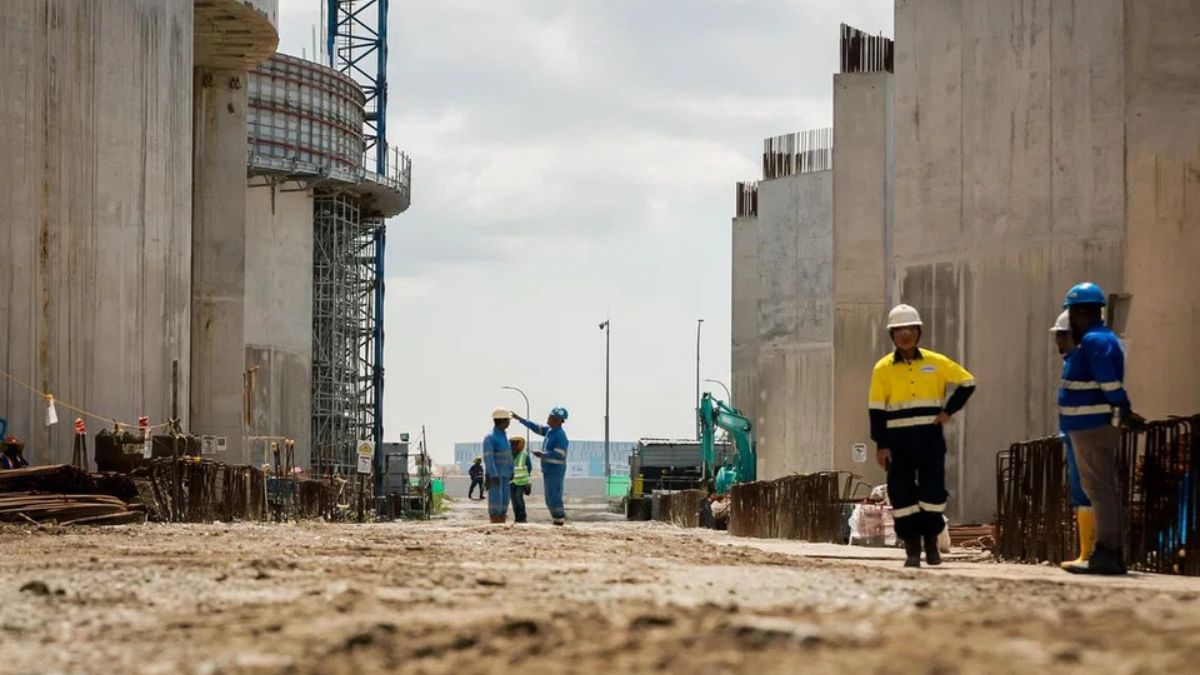
SINGAPORE: A workers’ rights group has called for stronger protections for migrant labourers in Singapore’s construction sector, highlighting the dangers of rebar work and the low wages paid to those who undertake it.
In an Instagram post on 2 December 2025, the group Workers Make Possible drew attention to the high-risk nature of rebar construction work, noting that many labourers continue to face unsafe conditions and inadequate pay.
The group said it previously encountered Bangladeshi workers who were misled by a company about the type of work they would be doing in Singapore.
They were initially promised roles involving electrical work, cleaning, or floor painting, only to discover upon arrival that they had been assigned to hazardous rebar jobs instead.
According to the group, the employer made it difficult for the workers to resign, forcing them into a year-long struggle before they eventually secured their freedom.
They also lodged complaints over alleged serious safety lapses, though it remains unclear whether the company will face any penalties.
Chinese worker killed by falling steel bar at Tuas site in 2024
Workers Make Possible also referred to recent updates on the death of 46-year-old Chinese national Zhan Fugui, who was fatally struck by a 62kg falling steel bar at a Tuas worksite in October 2024. Investigations pointed to safety lapses at the site.
The group said Zhan’s death is a stark reminder that “this could have been anyone”, underscoring the risks faced daily by workers in rebar construction.
It noted that rebar work remains “extremely dangerous but lowly paid”, with some migrant workers earning a basic salary of just S$500.
Many rely heavily on overtime to supplement their income, often at the expense of their health and alertness while performing high-risk tasks.
The group cited Zhan’s case, noting that he and a co-worker worked an average of 38 and 41 hours of overtime per month respectively.
“Is this pay fair for such dangerous work? Shouldn’t they at the very least receive a dignified living wage?” the group asked.
Unequal risks and rewards
Workers Make Possible also questioned why construction company bosses justify drawing high salaries on the basis of business risk when the workers themselves face the far greater, daily risk of physical harm.
“What about the risk these workers take putting their lives on the line every day? Is their life only worth a few hundred dollars a month?” the group said.
Singapore records 17 workplace deaths and 286 major injuries in first half of 2025
In September 2025, the Ministry of Manpower released the National Workplace Safety and Health statistics for the first half of 2025.
According to MOM, 17 people died from workplace injuries during that period, down from 19 in the first half of 2024.
MOM previously reported that total workplace deaths rose to 43 in 2024, compared with 36 in 2023.
A total of 286 major injuries were recorded in the first half of 2025, a decline from 304 in the same period in 2024.
Construction and manufacturing accounted for 43 per cent of major injuries, but both sectors recorded fewer serious incidents in the first half of 2025 compared with the same period in 2024.
MOM attributed these improvements to measures such as the demerit point system and new safety requirements for high-risk machinery and combustible dust.