NEA fined S$230,000 for fatal safety lapses in Tuas incineration plant
The National Environment Agency has been fined S$230,000 for workplace safety breaches that led to a deadly explosion at Tuas Incineration Plant in 2021, claiming two lives and severely injuring another.
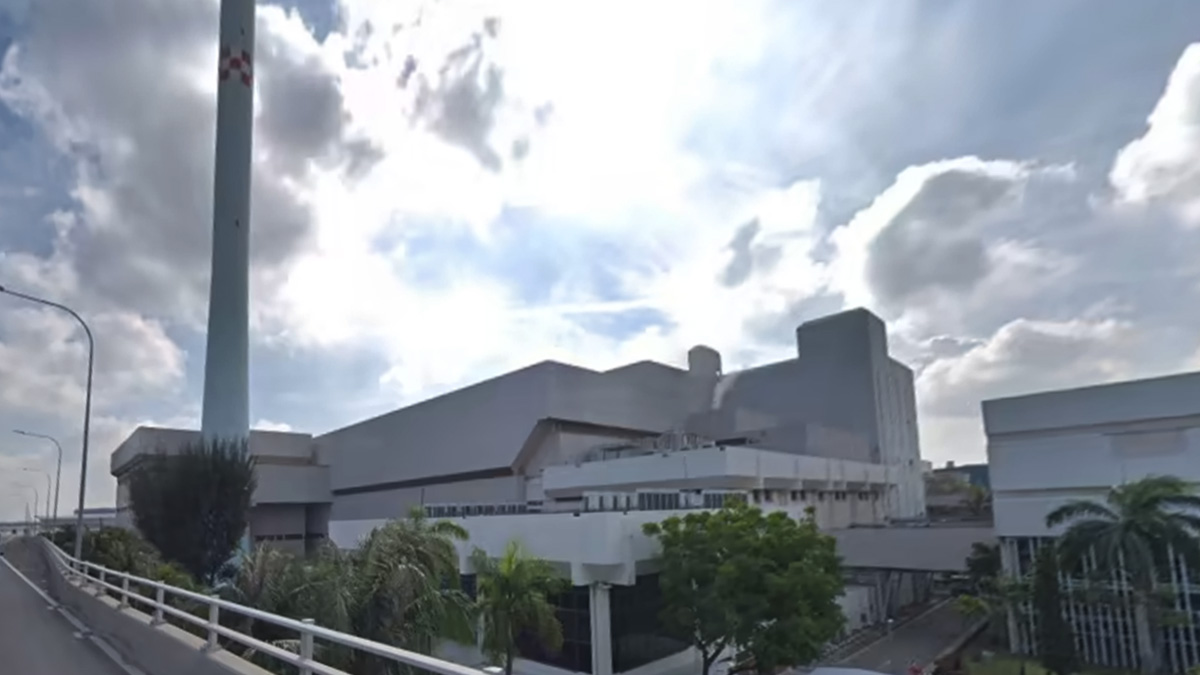
- NEA fined S$230,000 for safety failures that led to a fatal 2021 explosion at Tuas Incineration Plant.
- Investigations found critical lapses in permit systems, PPE provision, and procedural oversight.
- Victims were not authorised nor properly equipped to perform hazardous high-voltage work.
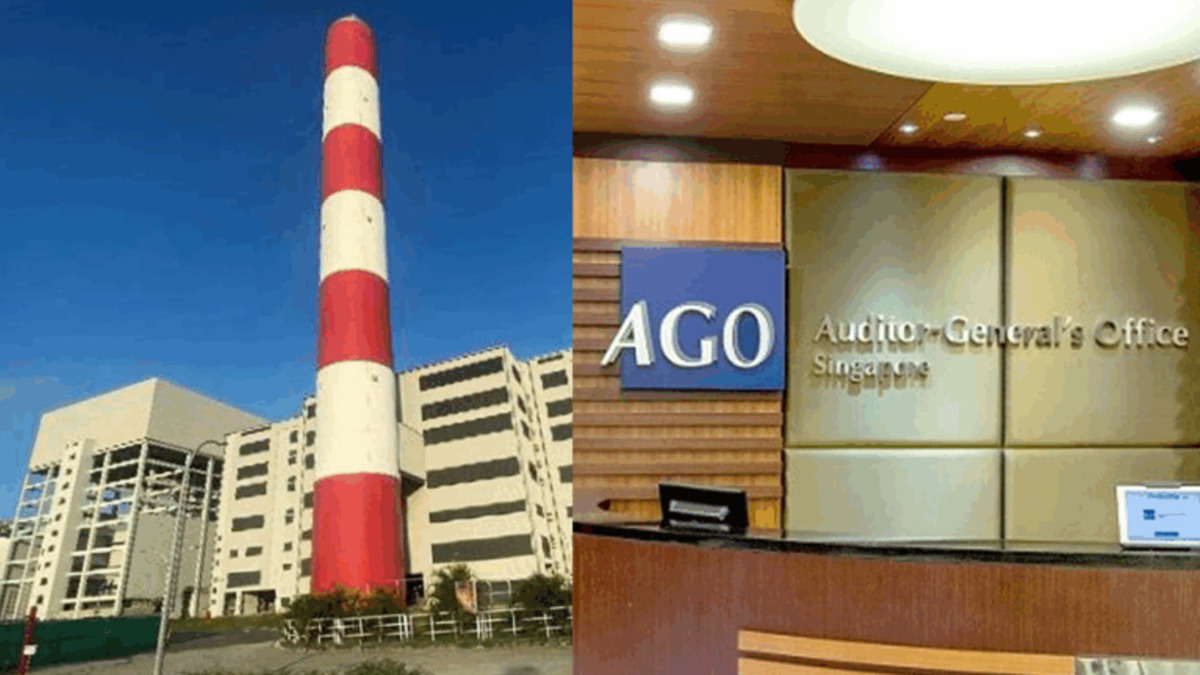
The National Environment Agency (NEA) has been fined S$230,000 for safety failures that contributed to a fatal explosion at the Tuas Incineration Plant (TIP) on 23 September 2021, according to reports by local media reports.
The explosion killed two veteran NEA officers — Kwok Yeow Wai, 65, and Wee Eng Leng, 64 — and seriously injured a third, Low Yin Choon, 59.
The three men had been deployed to troubleshoot an industrial fan that could not be shut down remotely.
According to CNA, after unsuccessful remote attempts, they entered an electrical switch room to manually intervene. During this process, either Mr Kwok or Mr Wee conducted a prohibited “live racking” operation, disconnecting a circuit breaker while current was still flowing.
The resulting arc flash explosion occurred while none of the men were wearing fire-retardant protective gear. Mr Kwok was pronounced dead at the scene, Mr Wee died in hospital three days later, and Mr Low sustained burns to 27 per cent of his body.
Mechanical and systemic failures
A forensic investigation found that a dislodged piston within the circuit breaker jammed the safety mechanism, preventing automatic tripping — a key feature designed to avoid electrical hazards.
However, systemic safety failures by NEA were identified as significant contributing factors. The agency pleaded guilty to a charge under the Workplace Safety and Health Act, encompassing three critical areas of failure:
1. Permit-to-work (PTW) system non-compliance
As reported by The Straits Times, NEA failed to ensure that its PTW system for high-voltage switchgear racking works adhered to the Electricity (Electrical Installations) Regulations.
The PTW system did not mandate that permits be issued by an authorised engineer or that works be conducted only by competent persons.
On the day of the incident, the authorised engineer had not been notified and did not issue any permit. Mr Kwok and Mr Wee were also not designated as competent persons for high-voltage racking.
The Straits Times reported that such unauthorised practices had been occurring over several years without adequate supervision.
2. Failure to provide fire-retardant PPE
Despite prior risk assessments identifying the risk of explosion and burns, NEA did not provide appropriate fire-retardant protective equipment.
Instead, workers were issued standard uniforms without flame-resistant properties, along with helmets, gloves, goggles, and face shields.
DPP Agnes Chan noted, as cited in The Straits Times, that this omission led to severe injuries when the explosion occurred.
3. Lack of safe work procedures
NEA had not established or disseminated proper procedures for high-voltage racking work. This failure left teams exposed to foreseeable risks without structured mitigation or guidance.
According to CNA, this procedural gap meant that critical tasks were undertaken without formal oversight or risk controls in place.
Legal and institutional response
The Ministry of Manpower (MOM) issued a Stop Work Order following the incident, which was lifted in November 2021. The Tuas plant was later decommissioned in July 2022 after 36 years of service.
In court, NEA was represented by Senior Counsel Jason Chan, who said the agency “deeply regrets” the incident and described the deaths as “deeply painful”.
Chan argued that the explosion was triggered by the mechanical failure of a dislodged piston, not by the lapses NEA admitted to.
Nonetheless, Deputy Public Prosecutor Chan contended that NEA’s failures directly enabled the unauthorised work that led to the explosion. She questioned why unauthorised high-risk procedures were even possible under NEA’s system.
Deputy Principal District Judge Luke Tan considered NEA’s post-incident corrective actions in sentencing. These included:
-
Restricting high-voltage work to licensed and competent personnel;
-
Issuing fire-resistant upflash suits; and
-
Establishing a panel of licensed electrical workers to advise on such works.
These changes reportedly exceeded current regulatory standards.
Ongoing proceedings
Two other NEA officers have been charged in relation to the incident. Ng Wah Yong, the former general manager of TIP, and Christopher Lee Yew Binn, former divisional director of the waste infrastructure operations and management division, face charges under the Workplace Safety and Health Act.
Ng’s case will be mentioned in court on 20 November, and Lee’s pre-trial conference is scheduled for 28 November.
Both have been redeployed to non-operational roles while their cases proceed.
NEA's official response to the court ruling
In a statement issued on 18 November, NEA publicly acknowledged responsibility for the safety shortcomings that led to the incident.
The agency expressed deep regret over the loss of its officers and noted the significant experience of the three affected staff, who collectively held nearly 120 years of electrical maintenance expertise.
“Their absence continues to be deeply felt, and their contributions will be remembered,” NEA stated.
NEA affirmed its acceptance of the court’s decision and said it would work with the Ministry to study the findings and reflect them in internal personnel reviews, once legal proceedings involving two other officers conclude.
The agency also outlined broader institutional reforms. These included the formation of an external advisory panel for waste facility safety, establishment of a dedicated Workplace Safety and Health (WSH) division, and the creation of a Risk Committee within the NEA Board.
NEA has since obtained bizSAFE Level 4 certification and committed to continued improvement in safety culture, training, and systems.
“WSH is and will always remain our top priority at NEA. We regret that we had fallen short of the high standards we set for ourselves and the expectations of the public,” the agency stated. “We will strive to put in our utmost efforts to do better in the future.”