Singapore reviewing fire safety rules after Hong Kong blaze as residential fires edge up, says Goh Pei Ming
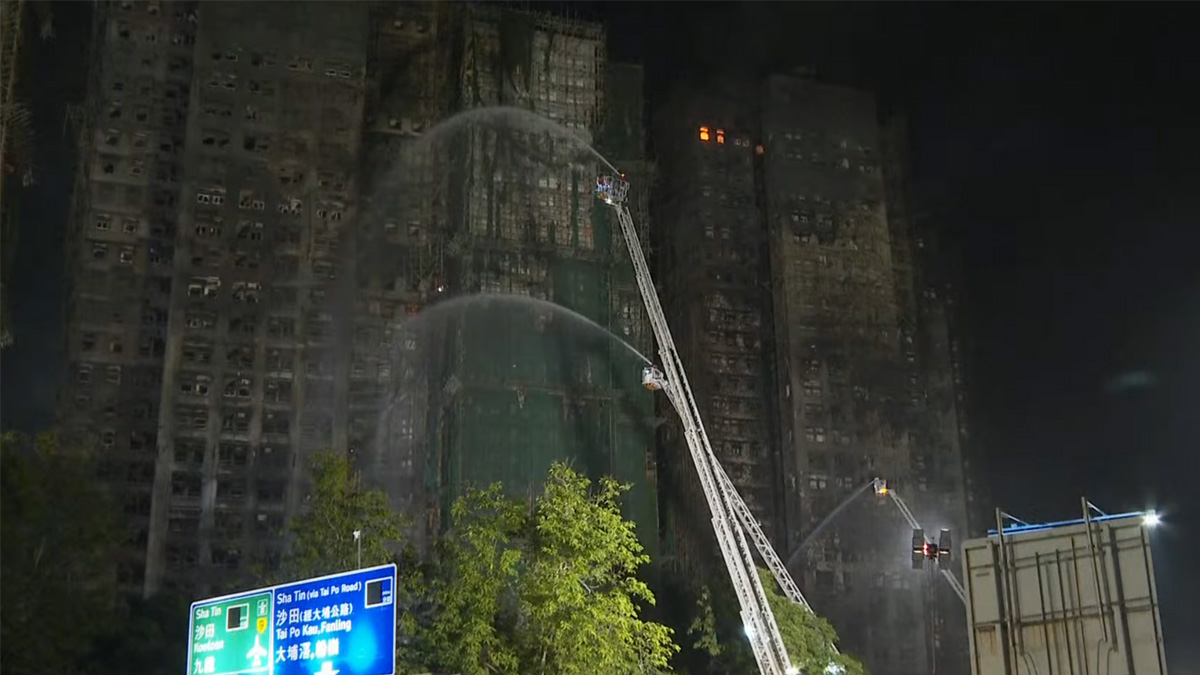
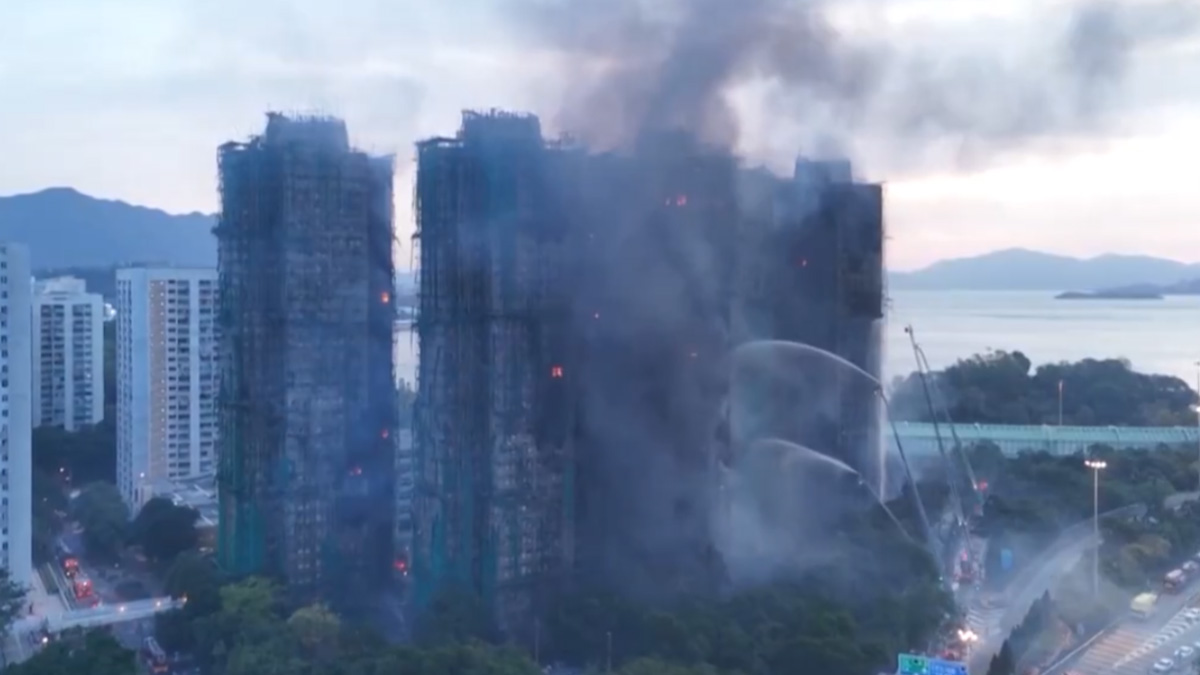
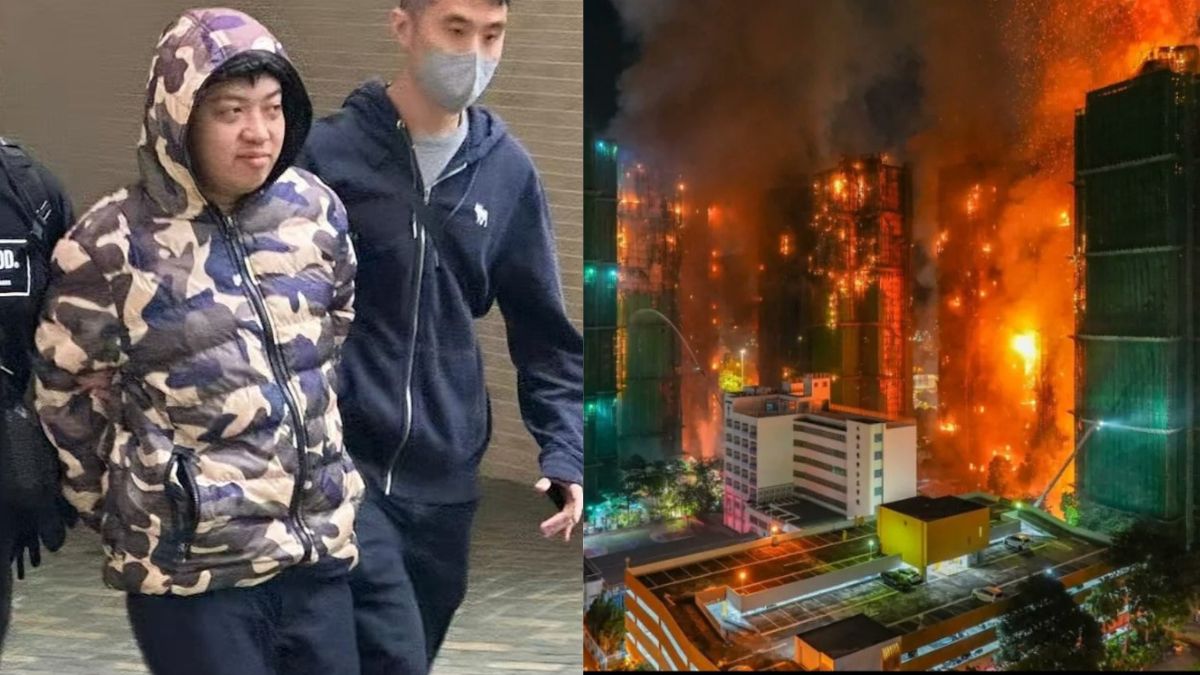
Singapore is reviewing fire safety regulations following Hong Kong’s deadly Wang Fuk Court blaze, which killed 161 people. Minister of State Goh Pei Ming said authorities are studying whether construction and maintenance rules need strengthening to better manage fire risks.

- Singapore is reviewing findings from Hong Kong’s Wang Fuk Court fire to assess whether residential fire safety rules need strengthening.
- Residential fires rose slightly in 2025 but remain broadly stable, with authorities warning against complacency.
- The SCDF continues to enhance high-rise fire safety through equipment upgrades, public education and support for vulnerable residents.
SINGAPORE: The Singapore government has begun reviewing early observations from Hong Kong’s ongoing investigation into the deadly Wang Fuk Court fire, which claimed 161 lives, Minister of State for Home Affairs Goh Pei Ming told Parliament on Monday (12 January).
Goh said the government is also studying whether there is a need to strengthen regulations governing construction, renovation and maintenance works in residential buildings.
“This will allow us to better manage fire risks, and the outcome of this ongoing review will be announced in due course,” he said, responding to MPs’ questions on Singapore’s fire safety framework in light of the Hong Kong incident.
Goh noted that Singapore recorded 1,051 residential building fires in 2025, up from 968 cases in 2024.
“This is a slight increase amid a stable trend of residential building fires over the past five years,” he said, adding that the figures should be viewed in the context of Singapore’s overall housing stock.
He added that the percentage of residential fires declined from 0.067 per cent in 2021 to 0.065 per cent in 2025.
“However, recent tragic events remind us that we cannot afford to be complacent about fire safety. The Wang Fuk Court fire in Hong Kong last November is a grim example,” he said.
Construction Works and Fire Risk Management
People’s Action Party (PAP) MP for Marsiling-Yew Tee GRC Alex Yam asked for reassurance on inspection and enforcement regimes during construction and renovation works, citing the “confluence of hot works, emergency wiring and flammable materials”.
Goh said bamboo scaffolding is not permitted in Singapore, stressing that all construction and maintenance works must comply with safety requirements under the Fire Code and the Workplace Safety and Health regulations.
“For example, any hoarding used during construction must be made of non-combustible materials, and all fire safety systems must remain functional,” he said, adding that hot works must be properly separated from flammable materials.
In contrast, the Wang Fuk Court buildings were wrapped in bamboo scaffolding draped with nylon netting during external investigations. Hong Kong officials said in December that the netting did not meet fire-resistance codes.
All buildings in Singapore are designed and constructed in accordance with prevailing fire codes, Goh said. These include the compartmentalisation of residential units to limit fire spread before the arrival of the Singapore Civil Defence Force (SCDF).
Other safety features include adequate staircases to support evacuation, fire engine access roads, and rising mains to facilitate firefighting operations.
Goh added that the SCDF continually reviews its firefighting tactics, equipment and fire safety requirements for high-rise buildings, including studying international best practices and exploring new technologies.
For instance, the SCDF deploys aerial appliances capable of reaching up to 90 metres, as well as surveillance drones. High-rise residential buildings exceeding 40 storeys are also required to have at least one refuge floor for every 20 storeys.
“The refuge floor is designed to provide evacuees with quick access to a safe holding space in the event of a fire,” he said.
Fire Drills and Support for Seniors
PAP MP for Jalan Kayu SMC Ng Chee Meng noted that three serious fires in 2025 resulted in fatalities, and suggested conducting fire drills at public housing estates to provide residents with more hands-on education.
Goh said a prepared and alert public is the “best line of defence against fires”.
“Every fire, every death is one too many, and we deeply regret that. That is why we must step up our efforts,” he said.
The SCDF conducts public education campaigns to teach residents how to use fire extinguishers and automated external defibrillators.
Goh also emphasised the importance of individual responsibility, noting that unattended cooking remains the primary cause of residential fires.
“If everyone is aware of these risks, a large part of the problem can be addressed,” he said.
Evacuating the Elderly and Operational Readiness
PAP MP for Jurong East-Bukit Batok GRC Lee Hong Chuang asked about operational limits faced by the SCDF when dealing with fires on higher floors, as well as how to better support the evacuation of elderly residents.
Goh said all high-rise buildings above 24 metres, or about eight storeys, are required to have fire lifts that can be switched to manual mode to allow firefighters prompt access to upper floors. Additional fire lifts are required for residential buildings taller than 40 storeys.
To better protect seniors, residents are encouraged to install home fire alarm devices, which are subsidised under the Enhancement for Active Seniors programme.
He also highlighted the role of community support, citing a network of residents in Jalan Besar GRC who assist elderly neighbours during fire evacuations.
“This is a very good example of how the community can work closely with the SCDF, especially to reach out to those in need,” he said.