Hong Kong YouTuber arrested for calling Tai Po fire victims “sinful” and praising blaze
A YouTuber was arrested in Hong Kong for posting videos calling Tai Po fire victims “sinful” and praising the blaze. Authorities say he took selfies at the scene and spread hateful content online, which may constitute a serious offense under Hong Kong law.
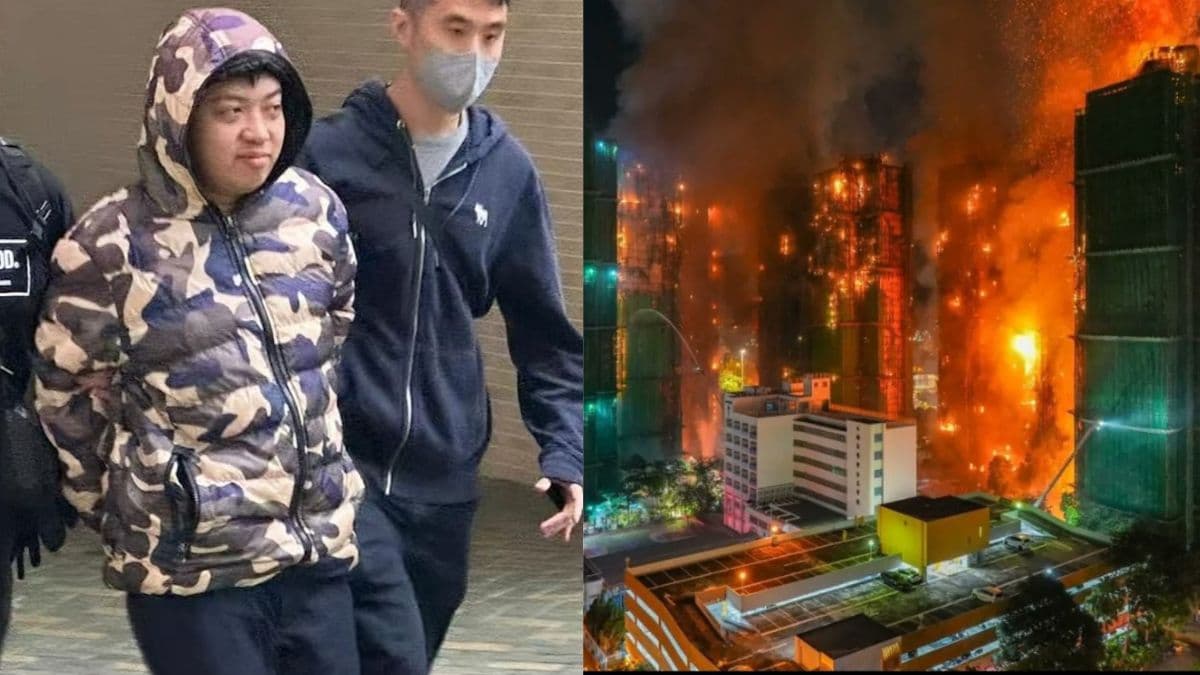
- Arrested for videos labeling Tai Po fire victims “sinful” and praising the blaze.
- Suspect, known online as “Kenny,” took selfies at the fire scene.
- Acts with seditious intent carry up to seven years’ imprisonment in Hong Kong.
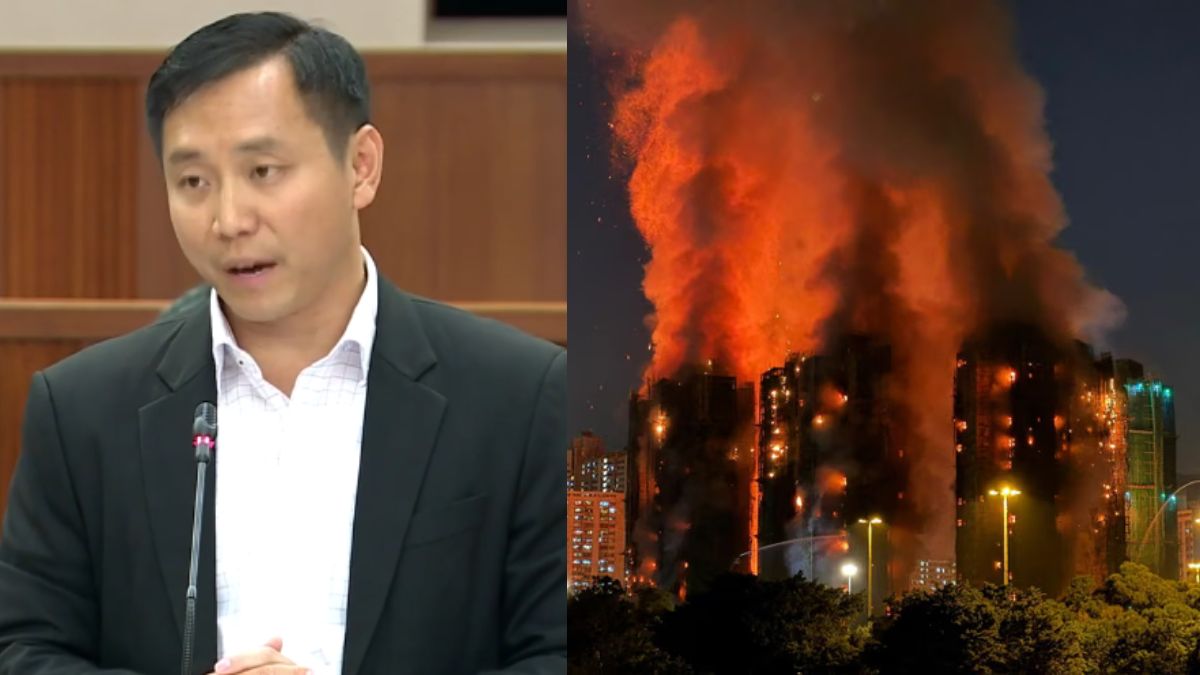
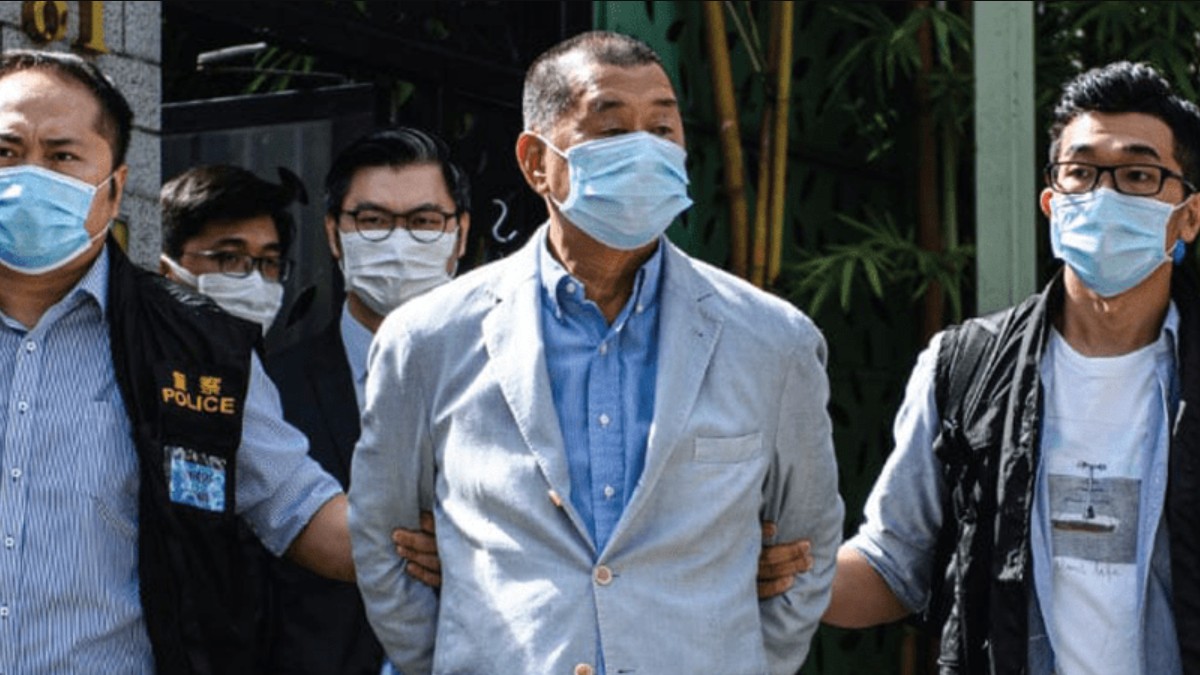
HONG KONG: Hong Kong’s National Security Department has arrested a 26-year-old man surnamed Chan on suspicion of "committing an act with seditious intent," local media reported Wednesday (3 Dec).
The suspect is known online as “Kenny” and operates a YouTube channel called Kowloon King.
Authorities allege he is associated with an online group called the “White Card Alliance.”
Chan recently posted videos that sparked outrage, expressing hateful and dehumanizing remarks about victims of the Tai Po fire at Wang Fuk Court.
He described those killed or injured as "deeply sinful," referred to the blaze as "retribution," and claimed the victims "deserved no sympathy."
Images circulating online reportedly show Chan taking selfies at the fire scene, smiling, and making a victory gesture, according to Wen Wei Po.
Previous Unlawful Behavior Noted
Local media reports indicate Chan has a history of unlawful actions.
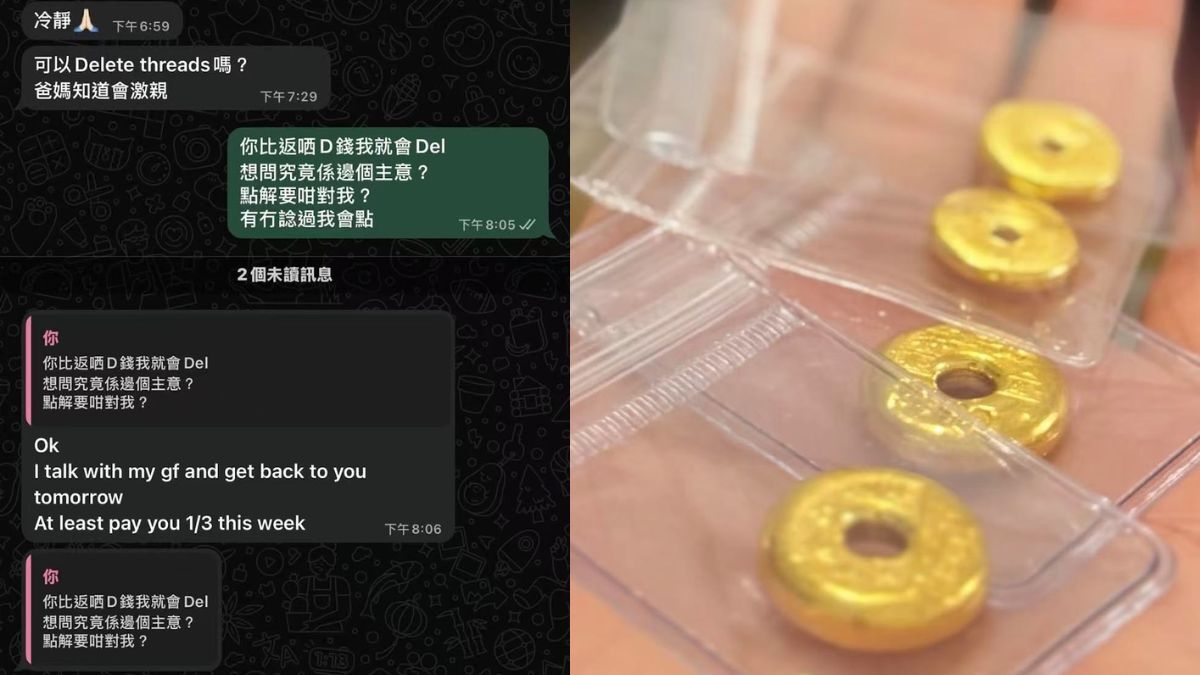
In September 2024, during Super Typhoon Yagi, he was arrested on suspicion of stealing a free-roaming cat from the Pak Tai Temple in Hung Hom.
Additionally, some netizens alleged that he took food purchased by another customer at a fast-food restaurant during the same month.
The so-called “White Card Alliance” reportedly consists of several online-active individuals.
Local reports suggest some members engage in borderline or criminal behavior, including filming and uploading content designed to provoke attention, nuisance acts in public, and indecency on public transportation. Their videos have repeatedly drawn public criticism.
HKSAR Government Condemns Foreign Interference
The Hong Kong Special Administrative Region (HKSAR) government issued a statement late Wednesday strongly rejecting foreign forces, including anti-China media organizations, for spreading slanderous remarks and undermining relief and rescue efforts following the Tai Po fire.
Authorities emphasized that such actions sow social discord and constitute malicious attacks on rescue operations.
Legal Consequences of Seditious Acts
Local media highlighted that “acts with seditious intent” are considered a serious offense in Hong Kong, carrying a maximum sentence of seven years’ imprisonment.
Police said they would not tolerate malicious remarks that incite hatred or interfere with emergency work.
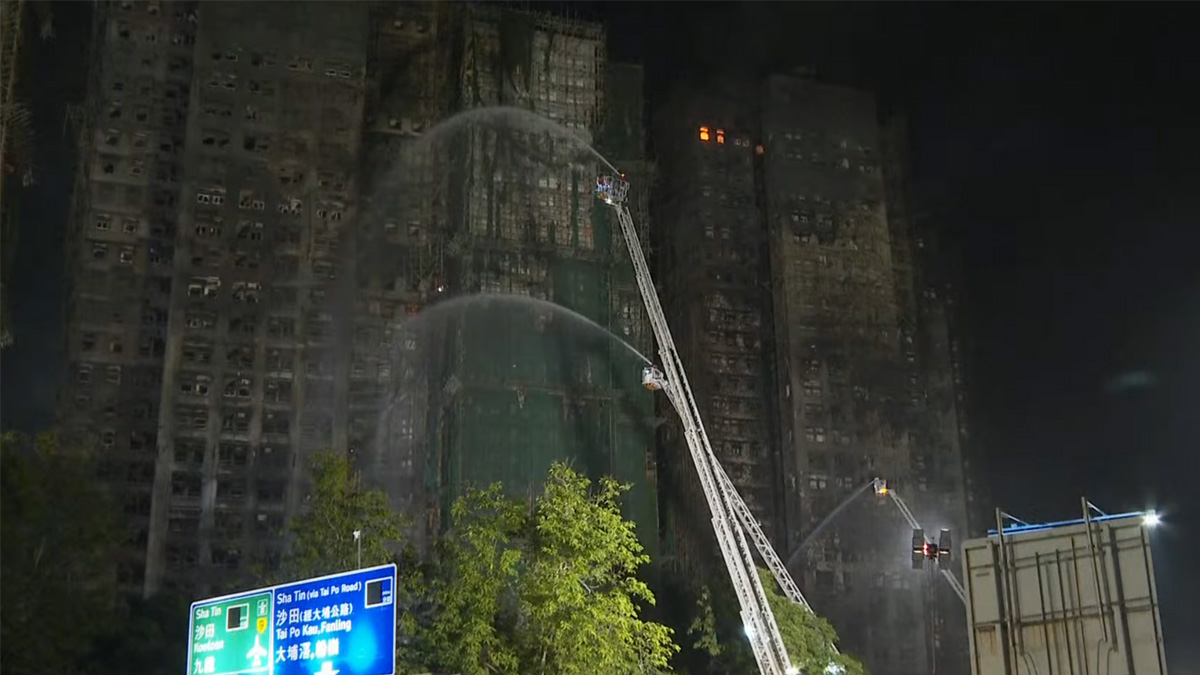
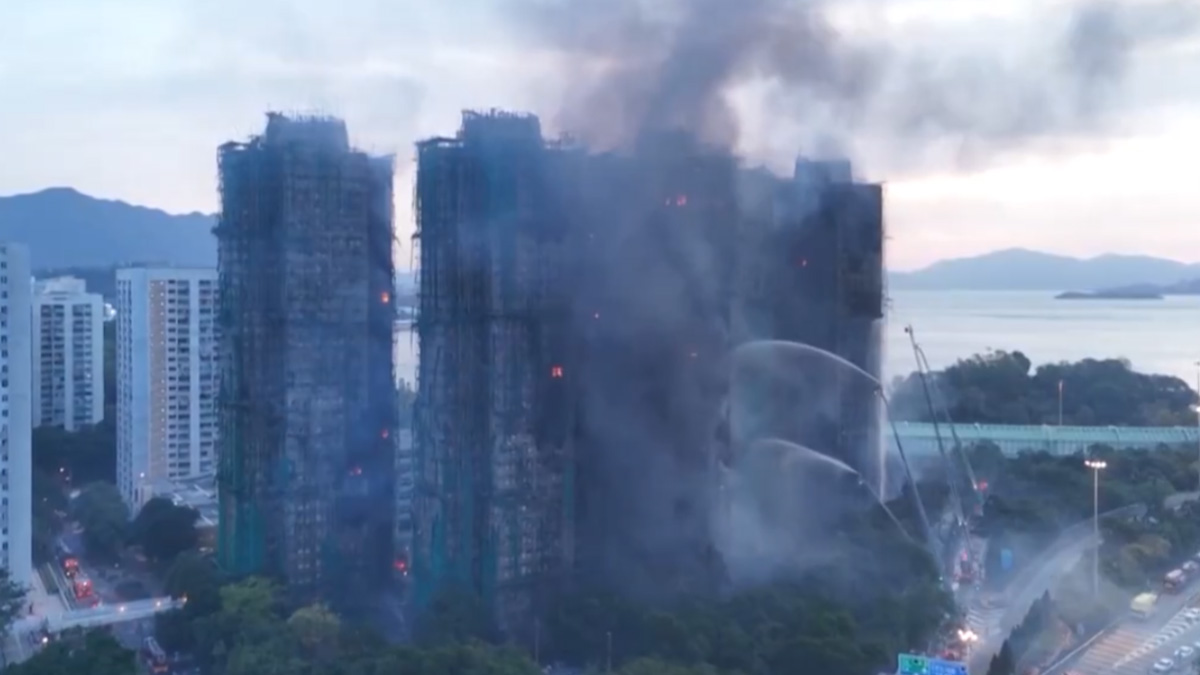
The Tai Po blaze, which killed at least 159 people, is the city’s deadliest residential building fire since 1980.
Rights groups urge transparency as sedition arrests rise
Authorities warned the public against exploiting the tragedy, and at least three people have been arrested for sedition since the incident.
Amnesty International and Human Rights Watch released statements on 1 December 2025 urging the authorities to ensure transparency and accountability. According to the groups, charges should be dropped against those detained for peacefully seeking answers regarding the fire.
Both organisations expressed concern about what they view as excessive restrictions on public expression.
Separately, tensions rose at Hong Kong Baptist University after the suspension of its student union. The suspension followed the posting of a condolence message for victims of the Wang Fuk Court fire on a campus notice board.
HKBU announced that it would take over the union’s facilities, citing inadequate representation and financial mismanagement.
The student union rejected these claims as arbitrary and suggested that the intervention carried ulterior motives. It argued that the decision raised broader concerns about institutional overreach.