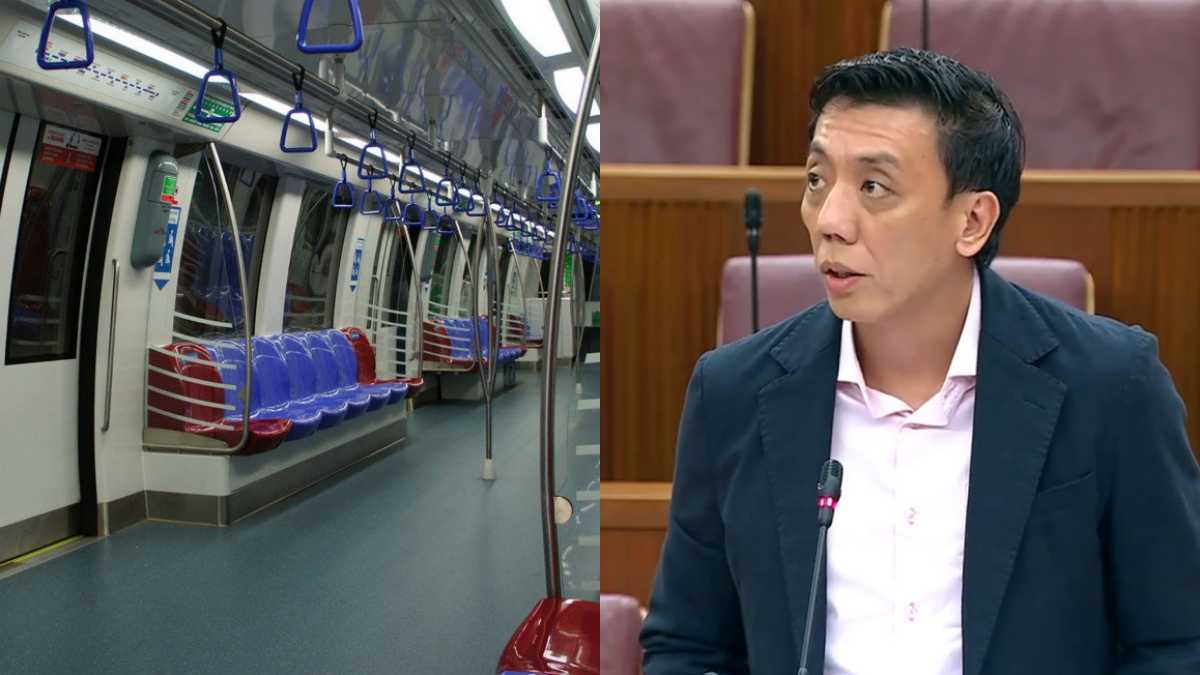
Singapore to introduce longer MRT closures as ageing rail network requires major upgrades
Acting Transport Minister Jeffrey Siow announced that Singapore will schedule longer MRT line closures to support essential upgrades and maintenance as the rail network ages, following recommendations from a rail reliability task force.
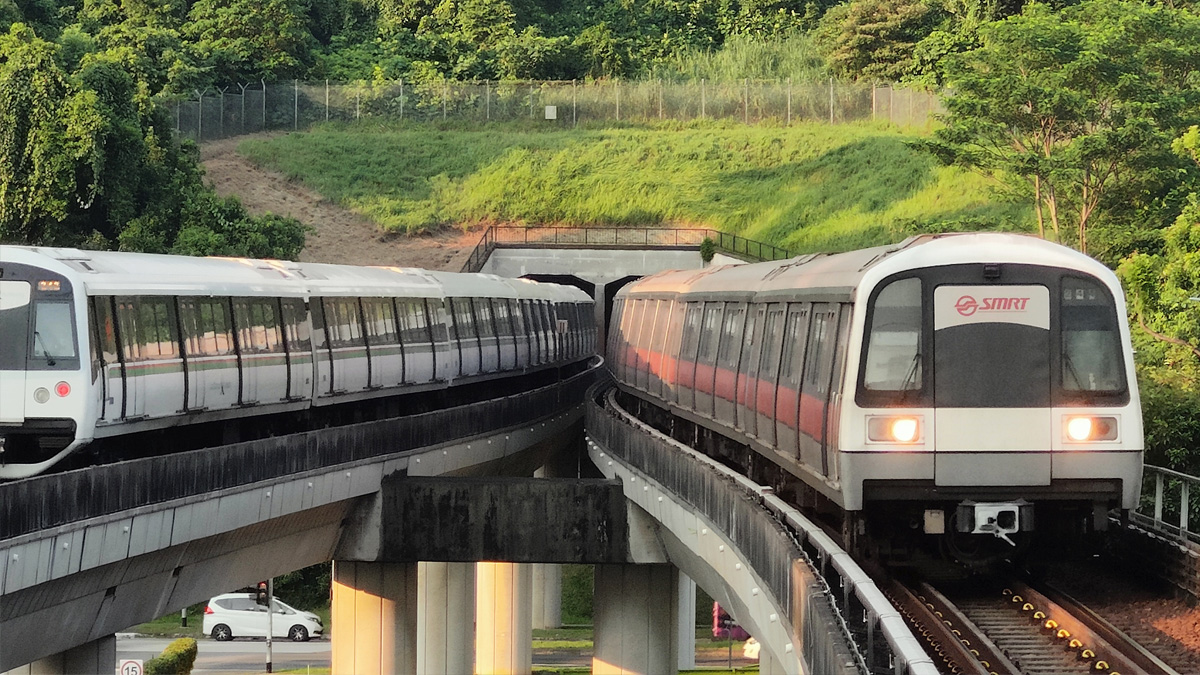
- Acting Minister for Transport Jeffrey Siow said longer planned MRT closures will be needed to support major upgrades as the rail network ages.
- A rail reliability task force has recommended extended closures to improve long-term service performance.
- Technological limitations and manpower shortages remain key hurdles in maintaining and upgrading the system.
SINGAPORE: Acting Transport Minister Jeffrey Siow said on 19 November 2025 that commuters should expect more planned MRT line closures as Singapore’s rail network ages and requires extended time for major upgrades.
Speaking at the International Metro Operators’ Summit at Marina Bay Sands, he said Singapore has traditionally limited maintenance hours to maximise service availability for commuters.
However, Siow noted that this approach is becoming increasingly difficult to sustain.
He said that while maintenance is scheduled within a 3.5-hour nightly window, deployment and extraction of heavy equipment leave only about two hours of effective working time.
According to his remarks, this is barely sufficient for routine tasks and leaves little room for major upgrade works.
He added that extending maintenance by starting services later or ending them earlier is no longer adequate.
Siow said the Government will now plan for longer scheduled closures, which allow repairs and upgrade works to be completed more quickly and safely.
His comments follow recommendations from a recently formed rail reliability task force, which called for extended closures on parts of the network.
One example is the upcoming closure of segments along the East-West Line from 29 November to 8 December, aimed at connecting the line to the new East Coast Integrated Depot.
Authorities have said commuters will have alternative bus and train options, though longer travel times are expected.
Siow asked for public understanding, saying the works would deliver long-term reliability benefits.
Beyond scheduling constraints, he also highlighted broader challenges in maintaining and upgrading rail systems.
He said metro networks are often state-of-the-art at launch but quickly fall behind technological advancements.
Real-time sensors have become more affordable, but retrofitting legacy systems remains slow and expensive.
Many inspections still require manual work, including tunnel checks.
According to Siow, operators are developing tools to bridge these gaps.
SBS Transit is building a robotic dog to inspect trains for faults, while SMRT has automated its Bishan depot using rail-guided vehicles and advanced equipment.
He said further innovation will be necessary to sustain performance.
Manpower constraints are another concern.
Siow noted that rail maintenance roles are physically demanding, making it difficult to attract younger workers.
He added that newer rail systems also require specialised technical expertise in electrical, mechanical and systems engineering.
Competition for such talent is intense across industries.
Institutions such as the Singapore Rail Academy and National Transport Academy, together with initiatives like the SGRail Industry Scholarship, aim to support workforce development.
Siow said part of a S$1 billion (US$767 million) fund earmarked for rail maintenance will go toward building manpower capabilities.
He expressed confidence that these efforts will improve outcomes in the coming years.
MRT Reliability Falls in September
Singapore’s MRT network recorded a second month of declining reliability, based on data released by the Land Transport Authority (LTA) on 14 November.
The latest figures showed trains travelled an average of 1.67 million train-km between delays lasting more than five minutes from October 2024 to September 2025.
This represented a decline from the 1.74 million train-km recorded between September 2024 and August 2025.
LTA said the figures were derived from the 12-month moving average of mean kilometres between failure, adding that the measure captures the distance a train travels before experiencing a delay of more than five minutes.