Former President Yoon Suk Yeol sentenced to five years over martial law-related offences
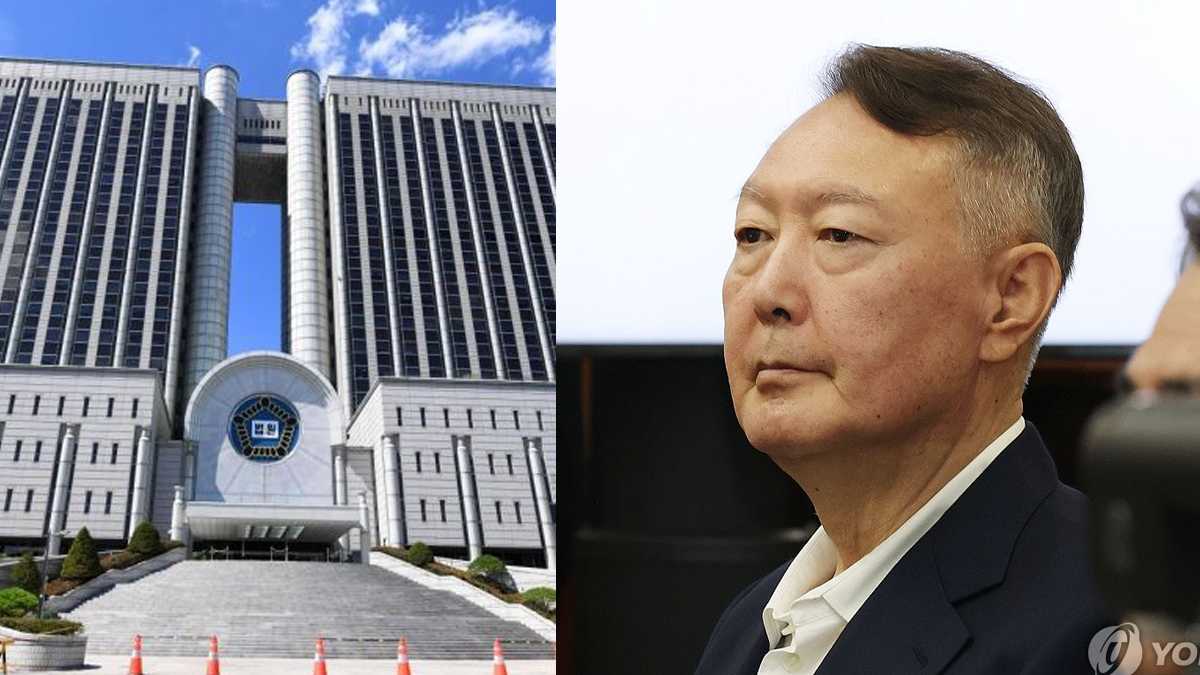
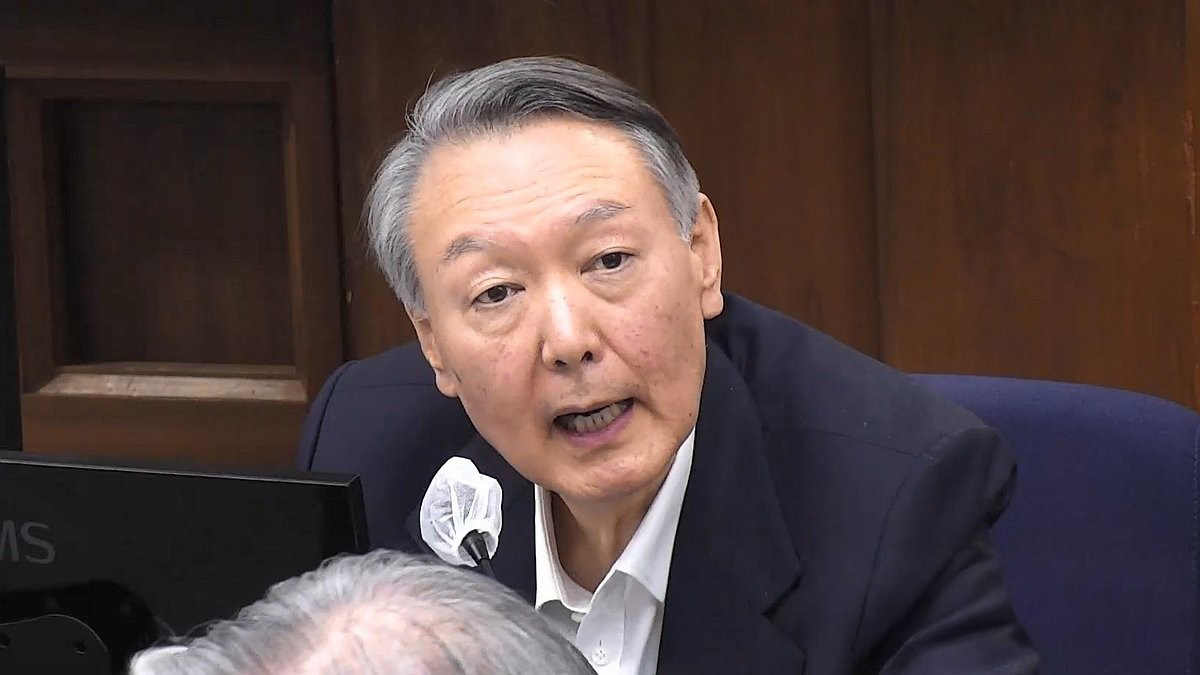
Former South Korean President Yoon Suk Yeol has been sentenced to five years in prison by the Seoul Central District Court for obstructing investigators and fabricating documents related to his short-lived martial law declaration in 2024. The ruling marks the first of eight trials he currently faces.
- Yoon Suk Yeol sentenced to five years for obstructing investigators and violating constitutional process.
- Verdict is first in a series of eight criminal trials faced by the former president.
- Next ruling, on insurrection charges, is set for 19 February 2026, with prosecutors seeking the death penalty.
SOUTH KOREA: Former President Yoon Suk Yeol was sentenced on 12 January 2026 to five years in prison on charges linked to his imposition of martial law in December 2024 and efforts to obstruct justice during a subsequent investigation.
The ruling, delivered by the Seoul Central District Court, marked the first formal verdict in a series of criminal proceedings against the former leader. Yoon is currently standing trial in eight separate cases.
Judge Baek Dae-hyun, presiding over the case, found Yoon guilty on multiple charges. These included obstruction of justice for ordering the Presidential Security Service to block investigators from executing a lawful detention warrant in January 2025.
He was also found guilty of violating the constitutional rights of seven Cabinet members by excluding them from deliberations on the martial law declaration. Additionally, the court ruled that Yoon had ordered the destruction of official documents and secure communication data, acts deemed to be obstruction of potential criminal evidence.
However, the judge acquitted Yoon of violating the rights of two Cabinet members and of ordering the distribution of knowingly false press statements.
The five-year sentence is half of the ten years sought by special counsel Cho Eun-suk’s team. Prosecutors had argued that Yoon had committed a “grave crime” by “privatising” state institutions to justify illegal actions and evade accountability.
Yoon has denied all wrongdoing and argued that his actions were within legal bounds. His defence team has accused the special counsel of political bias and signalled plans to appeal the decision.
Yoon, who was detained following a high-profile dawn raid on his compound last year, was present in court for the sentencing. The proceedings were televised live — the third such broadcast involving a former South Korean president, following those of Park Geun-hye and Lee Myung-bak in 2018.
The court also upheld the authority of the Corruption Investigation Office for High-ranking Officials to execute the detention warrant last year, rejecting Yoon’s argument that his arrest was unlawful.
In a separate and more serious trial, Yoon faces charges of insurrection over the same martial law episode. Prosecutors have demanded the death penalty in that case, and a ruling is scheduled for 19 February 2026.
Yoon’s legal troubles are extensive. In addition to the martial law-related trials, he faces allegations involving his wife’s suspected corruption and the 2023 death of a Marine during his presidency.
The former president’s fall from power marks a dramatic reversal of fortunes. Once a celebrated prosecutor, Yoon built his reputation by leading investigations that resulted in the convictions of two former presidents and a former Supreme Court chief justice.
Appointed prosecutor-general in 2019, Yoon entered politics shortly after resigning from the post in 2021. He was elected president in 2022 by a narrow margin.
His presidency was marred by controversy, including his widely criticised response to a deadly crowd crush in October 2022 and the scandal surrounding his wife’s alleged acceptance of a luxury handbag.
Despite his domestic struggles, Yoon achieved notable progress in foreign policy, including a landmark trilateral security cooperation with Japan and the United States aimed at regional stability.
Yoon’s declaration of martial law on 3 December 2024 came amid declining political support and intense scrutiny. His actions, now subject to legal review, have raised questions about executive overreach and the limits of presidential authority under South Korean law.
Public and legal attention is now shifting to the upcoming verdict on the insurrection charge, which could carry even graver consequences for the former president. The case is seen as a significant test of democratic accountability in South Korea.