South Korea to build two nuclear reactors by 2038, citing AI-era power needs
South Korea will construct two new nuclear reactors by 2038, reviving a previously uncertain energy roadmap as the country prepares for surging electricity demand driven by AI and electrification.
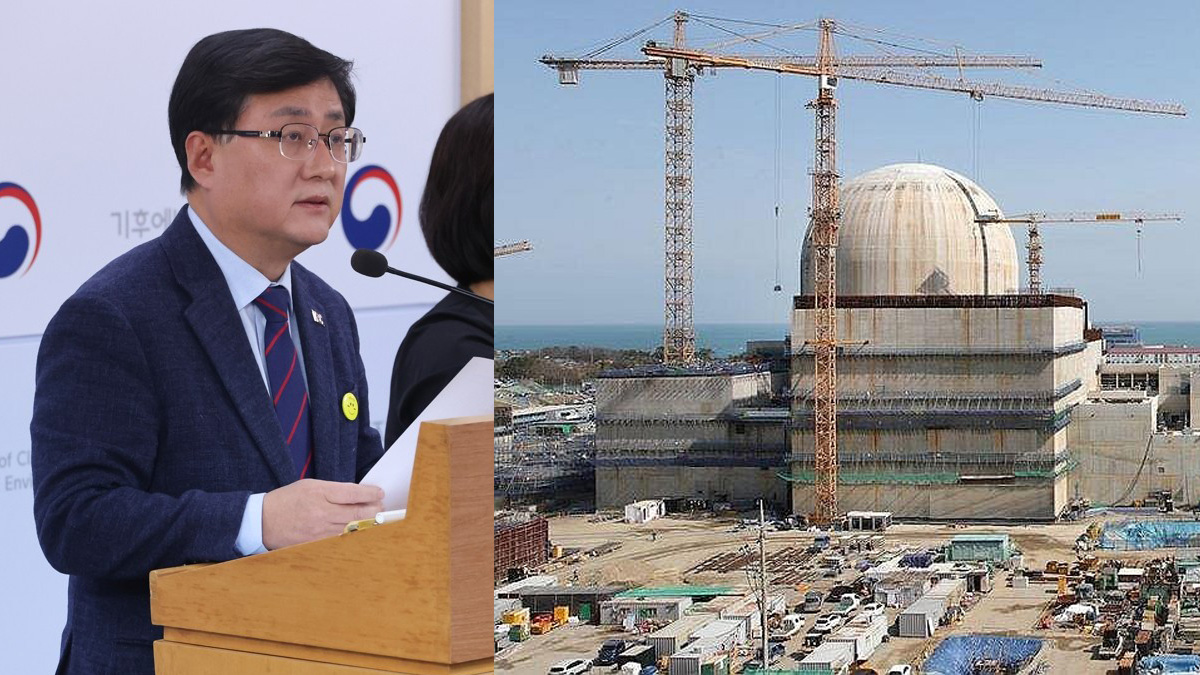
- South Korea will construct two large-scale nuclear reactors by 2038 under the 11th Basic Power Supply Plan.
- A new small modular reactor is also scheduled for deployment by 2035.
- The decision follows public support and addresses growing demand in the AI and electric vehicle sectors.
South Korea will proceed with the construction of two new nuclear reactors by 2038, citing surging electricity demand in the AI era and the need for a stable, low-carbon power supply.
The confirmation was delivered by Climate, Energy and Environment Minister Kim Sung-hwan on 26 January 2026, reinstating a roadmap previously delayed for policy review.
The two large-scale reactors, totalling 2.8 gigawatts in output, are scheduled for completion in 2037 and 2038. Additionally, a 0.7-gigawatt small modular reactor (SMR) is planned for deployment by 2035.
The Ministry said the decision to proceed stems in part from the rapid growth of artificial intelligence (AI) technologies and electric vehicles (EVs), which have significantly increased the nation’s projected electricity demand. According to the handout, these trends will be a central focus in the upcoming 12th Basic Power Plan, which aims to incorporate scientifically grounded forecasts for energy use across emerging sectors.
Minister Kim stressed the urgency of energy security in this new technological era. “To meet our climate targets and support electrification trends such as AI and EV expansion, we must transition to a power system based on renewables and nuclear,” he said.
The reactors will be developed under the 11th Basic Power Supply Plan, first finalised in February 2025 with bipartisan support. The plan was placed under review after President Lee Jae Myung took office in June, questioning its feasibility due to site constraints and limited public consultation.
Korea Hydro & Nuclear Power Co. (KHNP) will begin site solicitation soon. The process will involve municipal bids, site evaluations, and environmental assessments. Construction permits are targeted for approval by the early 2030s.
Public backing has reinforced the government’s course. Two national surveys conducted by Gallup Korea and Realmeter from 12 to 16 January showed that over 80% of respondents consider nuclear power necessary, with more than 60% supporting the construction of the two reactors.
Nonetheless, concerns remain. Critics argue the public engagement lacked depth, focusing on technical adjustments like load-following operations rather than radioactive waste, long-term safety, or alternative energy strategies.
Kim acknowledged the limitations of the consultation process and committed to expanding engagement formats. He also left open the possibility of further nuclear projects based on future assessments in the 12th plan.
Construction of the two reactors will follow a multi-phase process:
-
By 2027: KHNP will complete host site selection, with strategic environmental impact assessments conducted in parallel.
-
By 2029: Detailed environmental and radiation impact studies will be completed, leading to formal construction applications.
-
From 2031: Construction will begin following regulatory approvals, aiming for completion and commissioning in 2037–38.
With construction timelines averaging 14 years, officials emphasised the need for immediate action to avoid jeopardising the schedule. The plan also includes broader efforts to phase out coal, expand energy storage systems (ESS), and use pumped-storage hydropower to manage renewable intermittency.
Kim described nuclear energy as “unavoidable,” citing South Korea’s isolated power grid and the contradiction of promoting nuclear exports while limiting domestic use.
The upcoming 12th Basic Power Supply Plan will incorporate expanded electrification forecasts, decentralised grid reforms, and an updated energy mix aimed at reaching carbon neutrality by 2050.