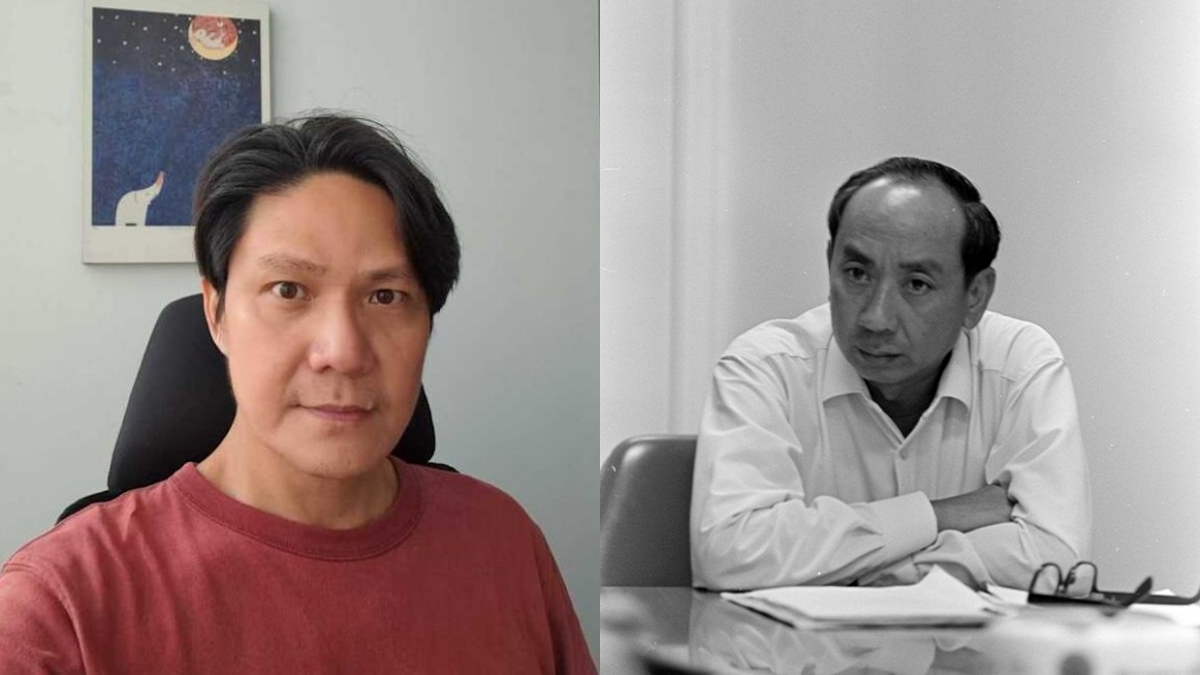
China sanctions Taiwan’s interior and education ministers over ‘independence’ stance
China has imposed lifetime sanctions on Taiwan's interior and education ministers, as well as a senior prosecutor, labelling them separatists. The move reflects Beijing's intensifying efforts to assert jurisdiction and influence over Taiwan’s internal affairs.
- China has sanctioned Taiwan’s Liu Shyh-fang and Cheng Ying-yao, labelling them “independence diehards”.
- The sanctions extend to their families and affiliated businesses, banning access to China and its territories.
- Analysts view the move as a signal of Beijing’s intensified efforts to assert jurisdiction over Taiwan.
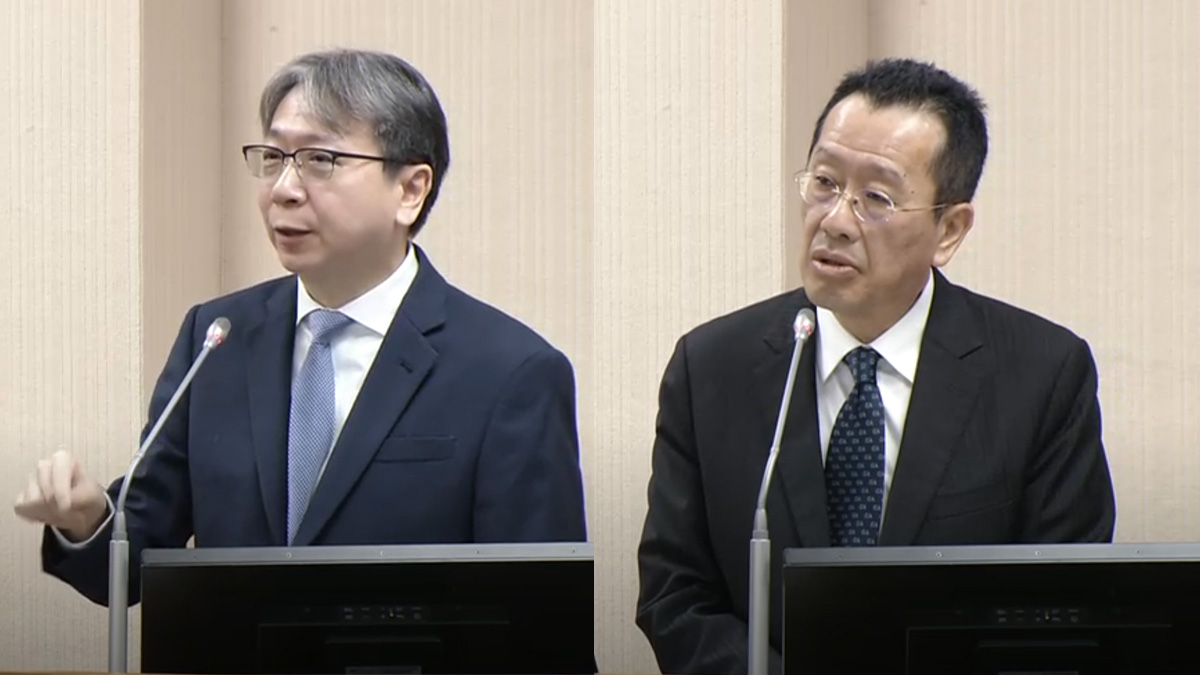
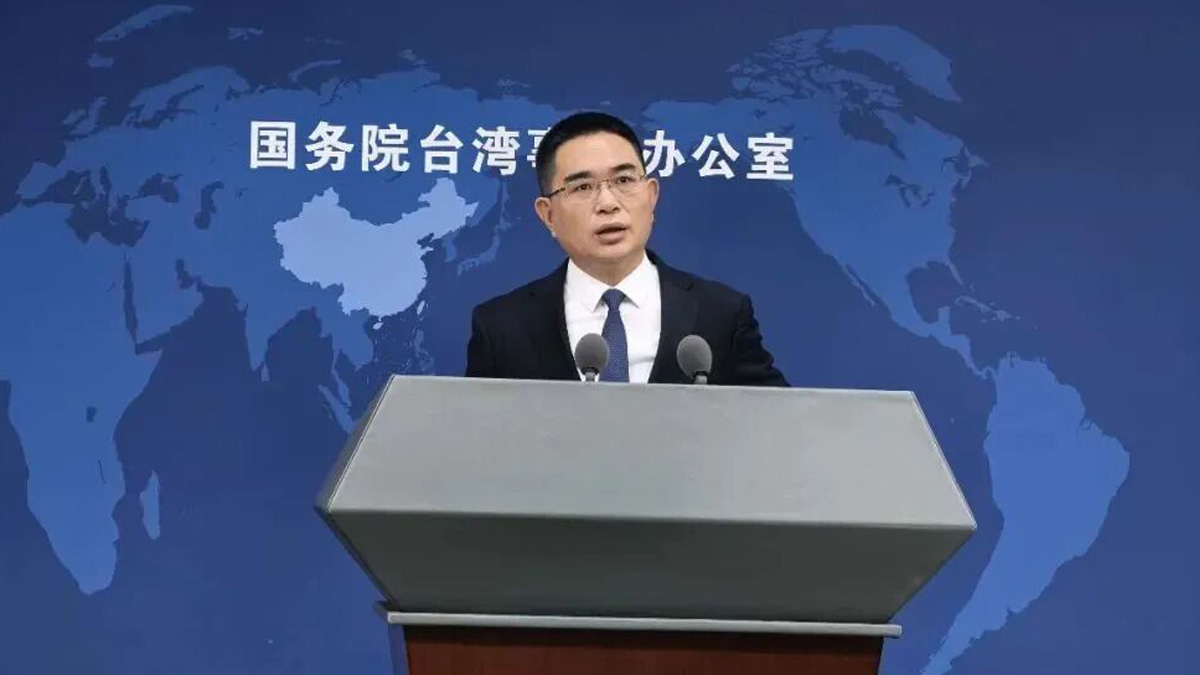
China’s Taiwan Affairs Office on 7 January 2026 imposed lifetime sanctions on three senior Taiwanese figures, labelling them as part of a “stubborn separatist” faction.
Those named were Minister of the Interior Liu Shyh-fang, Minister of Education Cheng Ying-yao, and Prosecutor Chen Shu-yi of the High Prosecutors’ Office.
Spokesman Chen Binhua announced at a press conference that Liu and Cheng were listed as “Taiwan independence diehards” (台独顽固分子), while Prosecutor Chen was labelled a “collaborator and enforcer” (打手帮凶).
According to Chen, the sanctions are being enacted under “relevant laws and regulations” and involve lifetime accountability. The measures include a ban on entry into mainland China, Hong Kong, and Macau, as well as prohibitions on their families. Additionally, any businesses or organisations associated with them are barred from operating in China or cooperating with Chinese entities.
Chen said that Liu and Cheng had committed serious acts of separatism and incited public anger. He claimed the two had been reported by many citizens, prompting calls for punishment.
Liu was accused of “openly promoting fallacious separatist theories,” persecuting Chinese spouses living in Taiwan, suppressing people who supported cross-strait exchanges, and blocking communication channels between people on both sides of the Taiwan Strait.
Cheng was alleged to have compiled “Taiwan independence teaching materials,” advocated pro-independence ideas among young people, and obstructed cross-strait educational exchanges. Chen stated that their actions “seriously damaged the peaceful development of cross-strait relations” and “harmed the well-being of compatriots on both sides.”
The Taiwan Affairs Office framed the sanctions as necessary to defend sovereignty and uphold national unity. “Punishing a very small number of Taiwan independence diehards is not an attack on the majority of Taiwanese compatriots,” Chen said. He urged the Taiwanese public to “clearly distinguish themselves” from separatist elements and to reject divisive behaviour.
Chen called on citizens across the Taiwan Strait to submit evidence of criminal activity by Liu and Cheng, stating that authorities would pursue “all necessary punitive measures” and enforce lifetime legal responsibility.
Prosecutor Chen Shu-yi was also targeted in this round of sanctions. She was described as a “green judicial enforcer” (绿色司法打手) and accused of fabricating charges, intimidating the public, and persecuting individuals who supported cross-strait cooperation. The Taiwan Affairs Office alleged that she had contributed to what it termed “green terror,” a phrase used by Beijing to describe political suppression under the Democratic Progressive Party (DPP).
A reporting channel was set up for the public to submit evidence, including a designated email address hosted on a mainland platform.
Chen stated that Prosecutor Chen’s actions were “serious in nature” and that she would be “pursued for life” under mainland legal provisions.
The sanctions signal an intensifying campaign by Beijing to pressure Taiwan’s government and portray the DPP as hostile to cross-strait integration. By targeting senior officials in the interior, education, and judicial sectors, China appears to be expanding its definition of “separatist acts” beyond traditional political figures.
Political science professor Hung Chin-fu of National Cheng Kung University said the move is strategic. “This is an attempt to undermine Taiwan’s sovereignty and influence domestic sectors critical to policymaking,” he said.
Hung noted that Beijing views the Ministry of Education as spearheading “de-Sinicisation” efforts. The targeting of a senior prosecutor, he added, is particularly concerning, as it signals an attempt to intimidate Taiwan’s legal community and discredit the independence of its judiciary.
“China is sending a message that it expects officials in all sectors to align with its narrative or face consequences,” Hung said. He added that the action serves a dual purpose: reinforcing Beijing’s claim over Taiwan and warning both domestic and international audiences of the costs of supporting Taiwanese autonomy.
Taiwan’s Mainland Affairs Council (MAC) issued a strong protest on 7 January, condemning the sanctions as a “blatant provocation” that would only deepen public resentment. In a statement, the MAC asserted that the Republic of China (Taiwan) is a sovereign state and that the two sides of the Taiwan Strait “are not subordinate to each other.”
It stated that the individuals listed had been performing their duties to protect national sovereignty and safeguard against Beijing’s political pressure, infiltration, and intelligence-gathering operations.
The council accused Beijing of attempting to create a chilling effect, silence Taiwanese officials, and manufacture internal division. It described the attempt to apply mainland criminal jurisdiction to Taiwanese officials as “an invalid and crude manoeuvre.”
“Threats and intimidation will never shake the determination of the Taiwanese people to uphold democracy and freedom,” the MAC stated, adding that the government would continue to defend national sovereignty, judicial independence, and the well-being of its citizens.
It concluded that China must bear full responsibility for any serious consequences resulting from its destabilising actions.