US approves record US$11.1 billion arms sale to Taiwan amid rising China pressure
The United States has approved a proposed US$11.1 billion arms sale to Taiwan, the largest weapons package ever for the island, as military pressure from China continues to intensify.
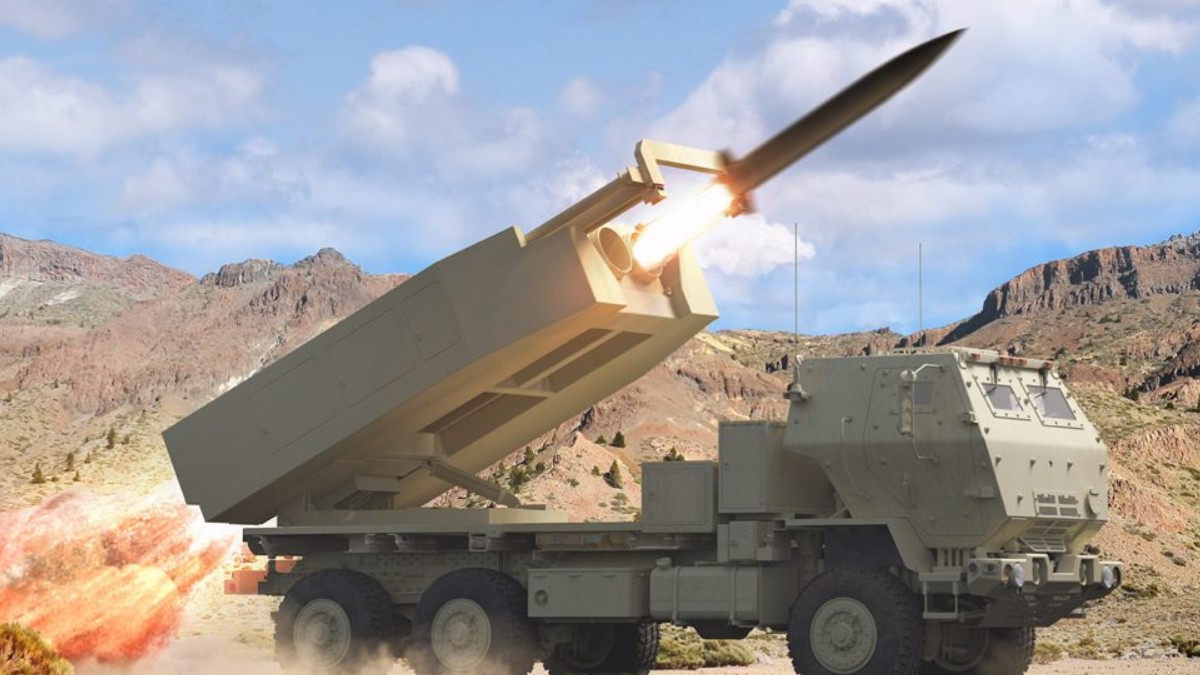
- The United States has approved a proposed US$11.1 billion arms sale to Taiwan, its largest ever package for the island.
- The deal includes rocket systems, missiles, drones and artillery, reinforcing Taiwan’s shift towards asymmetric warfare.
- The announcement comes amid intensified Chinese military activity, including a recent transit by China’s newest aircraft carrier.
The United States on 18 December 2025 approved a proposed US$11.1 billion arms sale to Taiwan, marking the largest weapons package ever offered to the island, which faces growing military pressure from China.
The announcement represents the second Taiwan arms sale under President Donald Trump’s current administration and comes against the backdrop of heightened Chinese military and diplomatic activity directed at Taipei.
According to a statement from Taiwan’s Ministry of National Defence, the proposed package includes eight major items designed to enhance the island’s defensive capabilities and deterrence posture.
These include High Mobility Artillery Rocket Systems (HIMARS), howitzers, Javelin anti-tank missiles, Altius loitering munition drones, and spare parts and support for other military equipment.
“The United States continues to assist Taiwan in maintaining sufficient self-defence capabilities and in rapidly building strong deterrent power,” the ministry said, adding that asymmetric warfare advantages were central to maintaining regional peace and stability.
The ministry confirmed the arms package has entered the US Congressional notification stage, during which lawmakers may block or amend the sale, though Taiwan traditionally enjoys broad bipartisan support in Congress.
In a series of statements outlining the deal, the Pentagon said the arms sales served US national, economic and security interests by supporting Taiwan’s efforts to modernise its armed forces.
The Pentagon added that the package would help Taiwan maintain a “credible defensive capability” in the face of evolving regional security challenges.
Under encouragement from Washington, Taiwan has in recent years sought to transform its military towards asymmetric warfare, prioritising mobile, survivable and cost-effective systems such as drones, missile launchers and dispersed artillery.
Taipei welcomes deal, accelerates defence reforms
Taiwan’s Presidential Office spokesperson Karen Kuo welcomed the decision, saying the government would continue defence reforms and strengthen whole-of-society resilience to safeguard peace through strength.
“Our country will continue to demonstrate our determination to defend ourselves,” Kuo said, expressing gratitude to Washington for its continued support.
President Lai Ching-te last month announced a US$40 billion supplementary defence budget to be spread over eight years from 2026 to 2033, stating there was “no room for compromise on national security”.
The funding is expected to support major arms purchases and the development of advanced defence systems, including an integrated air defence network known as “Taiwan Dome”, designed to enhance detection and interception capabilities.
Taiwan’s government has also pledged to raise defence spending to 3.3 per cent of gross domestic product in 2026, with a longer-term goal of reaching 5 per cent by 2030.
The increases follow requests from President Trump and the Pentagon for Taiwan to spend up to 10 per cent of GDP on defence, a figure that exceeds spending levels of the United States and most of its allies.
Those demands have met resistance from Taiwan’s opposition Kuomintang party and segments of the public, who have raised concerns over fiscal sustainability and social priorities.
The arms sale announcement followed an unannounced visit last week by Foreign Minister Lin Chia-lung to the Washington area, where he held meetings with US officials, according to people familiar with the matter.
The deal comes at a sensitive moment in cross-strait relations.
On 17 Dec, Taiwan reports China's Fujian aircraft carrier sailed through Taiwan Strait
On 17 December 2025, China’s newest and most advanced aircraft carrier, the Fujian, sailed through the Taiwan Strait for the first time since entering service in November.
Taiwan’s defence ministry described the transit as closely monitored, noting it was part of a broader pattern of Chinese military activity around the island.
Taiwan reports near-daily Chinese air and naval operations in surrounding waters and airspace, which Taipei views as a sustained pressure campaign against its democratically elected government.
Beijing considers Taiwan its territory and has never renounced the use of force to bring the island under its control, while Taiwan’s government rejects Beijing’s sovereignty claims.
Washington maintains formal diplomatic relations with Beijing but sustains unofficial ties with Taipei and remains Taiwan’s most significant arms supplier under US law.
Those arms sales are a persistent source of friction between Washington and Beijing, which routinely condemns them as interference in its internal affairs.
President Trump’s transactional approach to foreign policy and his planned visit to meet President Xi Jinping next year have raised regional concerns about the durability of US support for Taiwan.
US officials have nevertheless reiterated that providing Taiwan with the means to defend itself remains a cornerstone of American policy in the region.