Family of Colombian fisherman killed in US strike files landmark human rights petition
The family of Colombian fisherman Alejandro Carranza has filed the first known human rights petition over US military strikes in the Caribbean, alleging his death was an extrajudicial killing. The case challenges US justifications for its operations against alleged drug traffickers.
- The family of Alejandro Carranza alleges the US conducted an extrajudicial killing in a September military strike.
- A human rights complaint has been filed with the Inter-American Commission on Human Rights (IACHR).
- The case challenges the legal basis of recent US strikes on suspected drug-smuggling vessels in the Caribbean and Pacific.
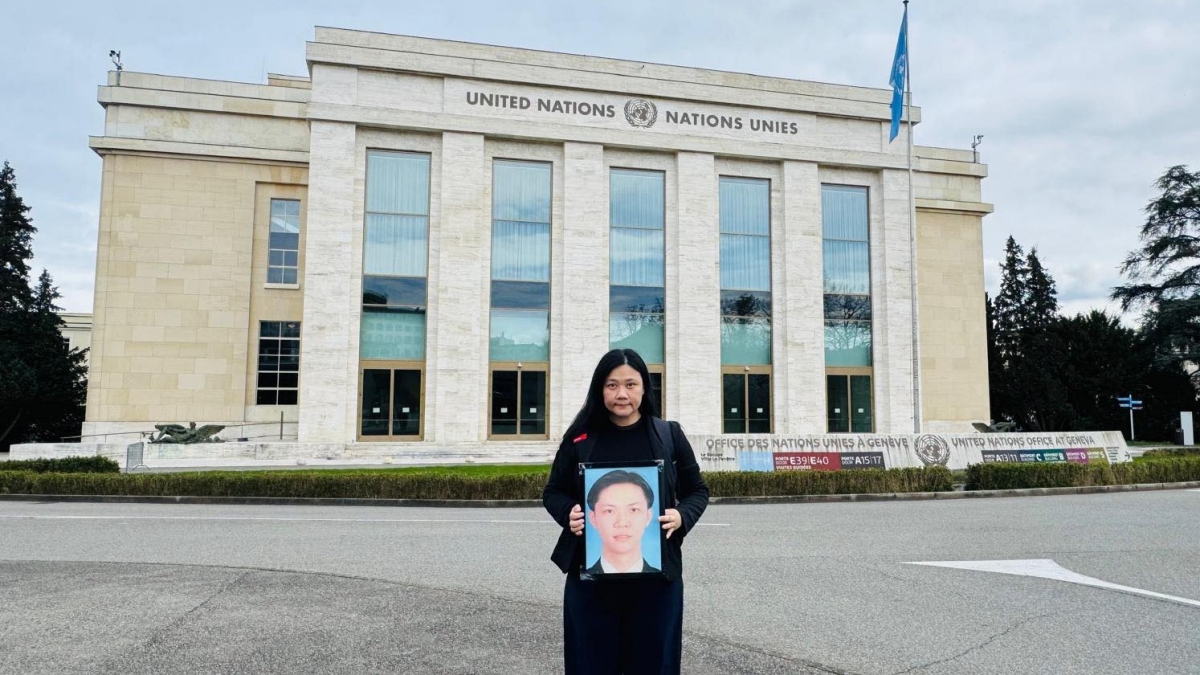
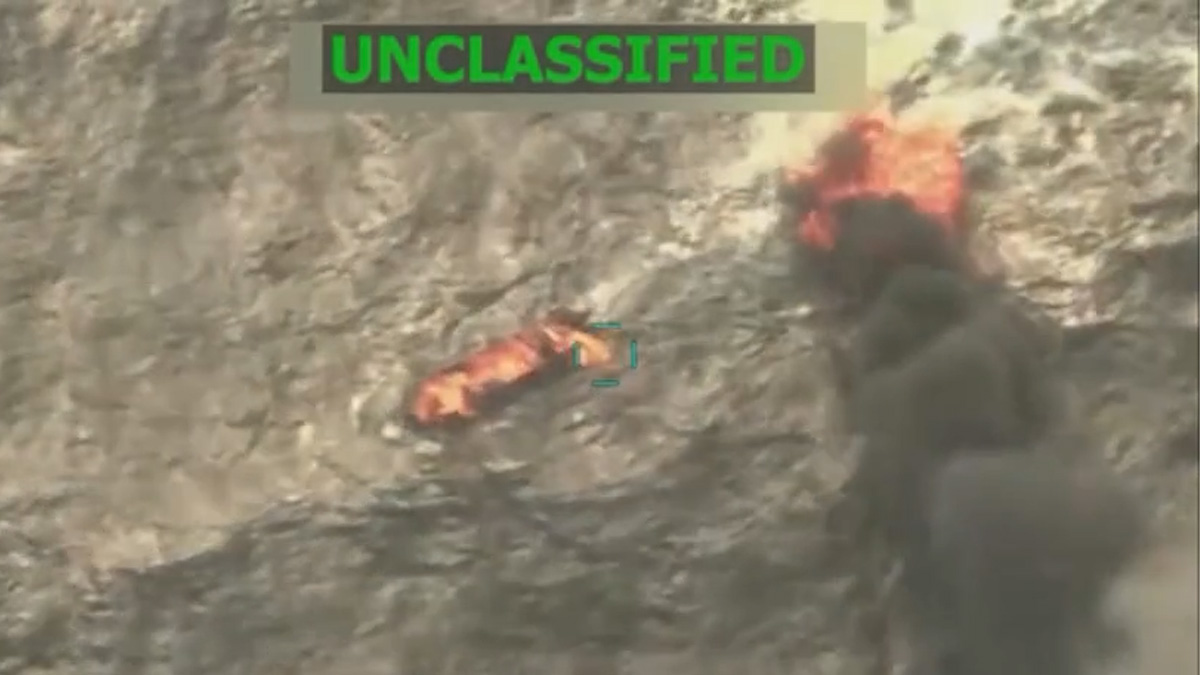
A formal human rights complaint has been filed against the United States by the family of a Colombian man killed in a US military strike on 15 September 2025. The case is believed to be the first such petition relating to these operations submitted to the Inter-American Commission on Human Rights (IACHR).
The petition, filed on 2 December by US-based human rights attorney Daniel Kovalik, concerns the death of Alejandro Carranza, a Colombian fisherman.
According to the complaint, Carranza was operating his fishing vessel off the coast of Colombia when it was struck by a US military operation targeting suspected drug trafficking boats.
Kovalik has alleged that Carranza’s death amounted to an “extrajudicial killing” and violated both international and domestic legal norms. Speaking to CNN, he stated, “These killings are against international law. They are against US law. We want this to stop, and we think this is at least a first step to having that happen.”
The petition names US Secretary of Defense Pete Hegseth as responsible for ordering the bombing, and further claims that his actions were ratified by US President Donald Trump. The Pentagon has declined to comment, referring all questions to the White House, which has not responded publicly.
The strike that killed Carranza also took the lives of two others on board. According to Kovalik, Carranza had no involvement in narcotics trafficking and was fishing for marlin and tuna when his vessel was attacked. This account has been corroborated by Colombian President Gustavo Petro, who stated Carranza was a “lifelong fisherman” and denied any ties to the drug trade.
President Petro later conceded that Carranza may have accepted payment to carry prohibited goods due to economic hardship, but firmly asserted, “Never did his actions deserve the death penalty.”
Since early September, the United States has conducted at least 22 strikes on boats in the Caribbean and eastern Pacific, killing at least 83 individuals. The Trump administration has described the targets as “narcoterrorists” linked to drug cartels and claims that its military actions are justified under the Law of Armed Conflict.
Trump, in comments to the press, stated that the strike on 15 September killed three individuals transporting narcotics from Venezuela to the US. However, no public evidence has been provided, and no information has been released regarding the identities or affiliations of those killed.
Kovalik, who also represents Petro in legal matters in the US following sanctions imposed on him in October, maintains there were no drugs on Carranza’s boat. He reported meeting Carranza’s family in northern Colombia, where they are now facing threats from right-wing paramilitary groups for speaking out.
The IACHR, in a separate statement issued on 2 December, expressed concern over the US strikes and called on the US government to ensure that its operations abroad respect international human rights obligations. The commission specifically highlighted the need to protect the right to life, ensure due process, and establish accountability for military actions.
If accepted, the petition would not be legally binding, as the United States does not recognise the jurisdiction of the associated international court. However, the IACHR can issue recommendations, including reparations for victims and actions to prevent future violations.
Kovalik acknowledged these limitations but said public and international pressure may still yield results. “The US does not subject itself to accountability, so we’re using the avenues we have before us,” he told the Associated Press. “We believe that a decision in our favour, combined with public pressure, can get us that compensation and also can end the killings in the Caribbean.”
Carranza’s family is seeking financial compensation for his wife and four children, who depended on him as their sole breadwinner. Kovalik added that a federal case in the US remains a possibility but would face “significant hurdles.”
President Petro has described the strikes as a violation of Colombian sovereignty.
In October, he accused US officials of murder in a post on X (formerly Twitter), stating that Carranza was killed in Colombian territorial waters and had no connection to narcotics. Later in November, he reiterated Carranza’s innocence and criticised the disproportionate use of force
The US military has intensified its regional presence in recent months, with a growing number of attacks targeting alleged drug smuggling vessels. According to The Washington Post, Defence Secretary Hegseth reportedly gave verbal authorisation to “kill everybody” on an initial target vessel, a directive that was allegedly followed up with a second strike killing survivors of the first.
Kovalik says the Carranza family lacks the means to seek legal recourse domestically and hopes their petition will set a precedent for other families of those killed in similar strikes.
“This is just the beginning,” he said. “That’s a goal. That’s one of our goals. We’re going to bring justice to these people.”
The IACHR has confirmed receipt of the petition but has not yet indicated whether it will proceed to a formal review.