UN expert condemns US decision to end Myanmar TPS as ‘assault on human rights’
UN Special Rapporteur Tom Andrews has warned that the US decision to terminate protection for Myanmar nationals is reckless and risks violating international human rights obligations.
- UN Special Rapporteur Tom Andrews called the US decision to end TPS for Myanmar nationals an “assault on human rights”.
- Nearly 4,000 beneficiaries face deportation despite ongoing violence and repression under Myanmar’s military junta.
- Regional parliamentarians and rights advocates warn the move violates international humanitarian principles and threatens lives.
A United Nations human rights expert has sharply criticised the United States’ decision to end Temporary Protected Status (TPS) for Myanmar nationals, warning it legitimises a brutal military regime and exposes thousands to serious danger.
On 27 November 2025, Tom Andrews, UN Special Rapporteur on the situation in Myanmar, described the move as “an assault on human rights and human decency” and accused the US of ignoring clear evidence of widespread violence and repression.
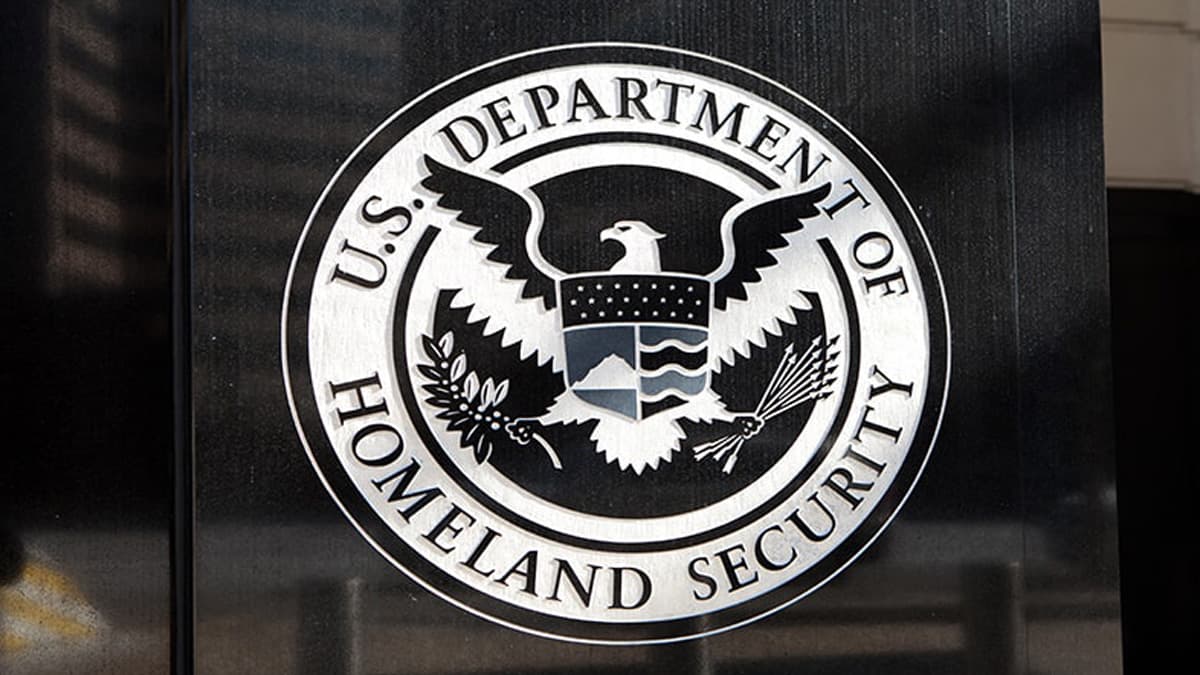
The Department of Homeland Security (DHS) announced on 25 November that TPS protections would end on 26 January 2026. Nearly 4,000 Myanmar nationals currently benefit from the programme, which provides legal status and work rights to those unable to safely return home.
DHS Secretary Kristi Noem cited “improving conditions”, upcoming elections, and a ceasefire as justification. Andrews rejected that assessment as “defying reality”.
“It is inconceivable that any good-faith review could conclude conditions are safe or improving,” he said. “The military junta has locked the country into a downward spiral of violence and repression.”
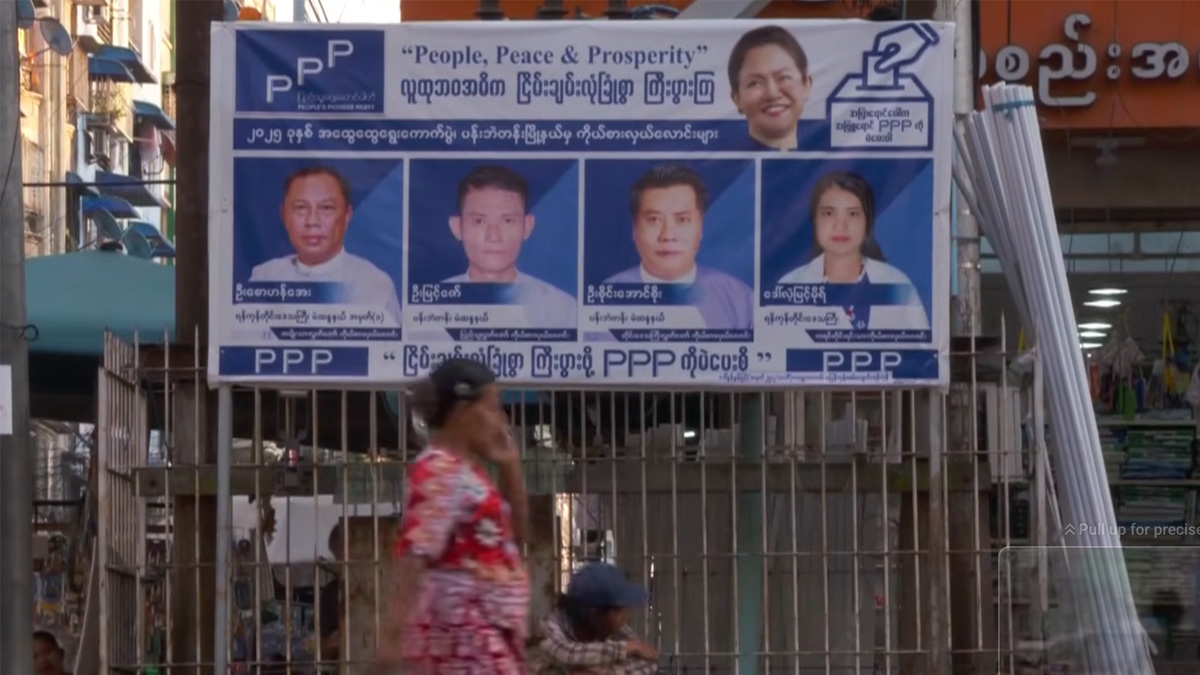
He cited record-high attacks on civilians in 2025, including the burning of villages, bombing of churches, and arbitrary arrests. “You cannot have free and fair elections when credible candidates are jailed, opposition parties banned, and the electorate terrorised,” Andrews added.
The Special Rapporteur noted that many TPS holders include journalists, democracy advocates, and human rights defenders. “Sending these individuals back would expose them to detention, torture, and even execution,” he said.
Andrews also warned that the forced return of TPS beneficiaries could breach the principle of non-refoulement, which prohibits returning individuals to places where they face serious threats to life or freedom.
In response to the announcement, the ASEAN Parliamentarians for Human Rights (APHR) issued a joint statement describing the decision as a severe misjudgement. APHR warned that removing TPS protection would expose individuals to persecution and undermine basic humanitarian principles.
Mercy Chriesty Barends, APHR Chairperson, said the DHS assessment was “profoundly disconnected” from Myanmar’s current reality and urged the US to reconsider. APHR also highlighted the economic and social impact of terminating TPS for individuals with strong ties to US communities.
The group reiterated calls for policy decisions to align with international obligations and be guided by consultations with affected communities.
Since the 1 February 2021 military coup in Myanmar, the country has seen a sharp rise in armed conflict, human rights violations, and displacement. International observers continue to report airstrikes on civilian areas, political imprisonments, and suppression of dissent.
Andrews concluded that maintaining protection for Myanmar nationals is both a moral imperative and consistent with US values. “It is in the United States’ national interest—and in line with its obligations—to protect those who will help rebuild Myanmar as a democratic, rights-respecting nation,” he said.