UN rights chief condemns Myanmar's military-run elections as deepening violence and repression
UN Human Rights Chief Volker Türk has denounced Myanmar’s recent military-imposed elections, stating they intensified violence and repression, excluded minorities, and failed to meet human rights standards, five years after the military coup.
- UN Human Rights Chief Volker Türk says Myanmar’s military-staged elections violate fundamental rights and intensify violence.
- The elections excluded opposition parties, ethnic minorities, and conflict-affected areas.
- Türk calls for the release of detainees and international pressure to restore democracy.
On 30 January 2026, United Nations High Commissioner for Human Rights Volker Türk condemned Myanmar’s military-staged elections as a violation of fundamental civil and political rights, warning that the process had deepened repression, violence, and social division across the country.
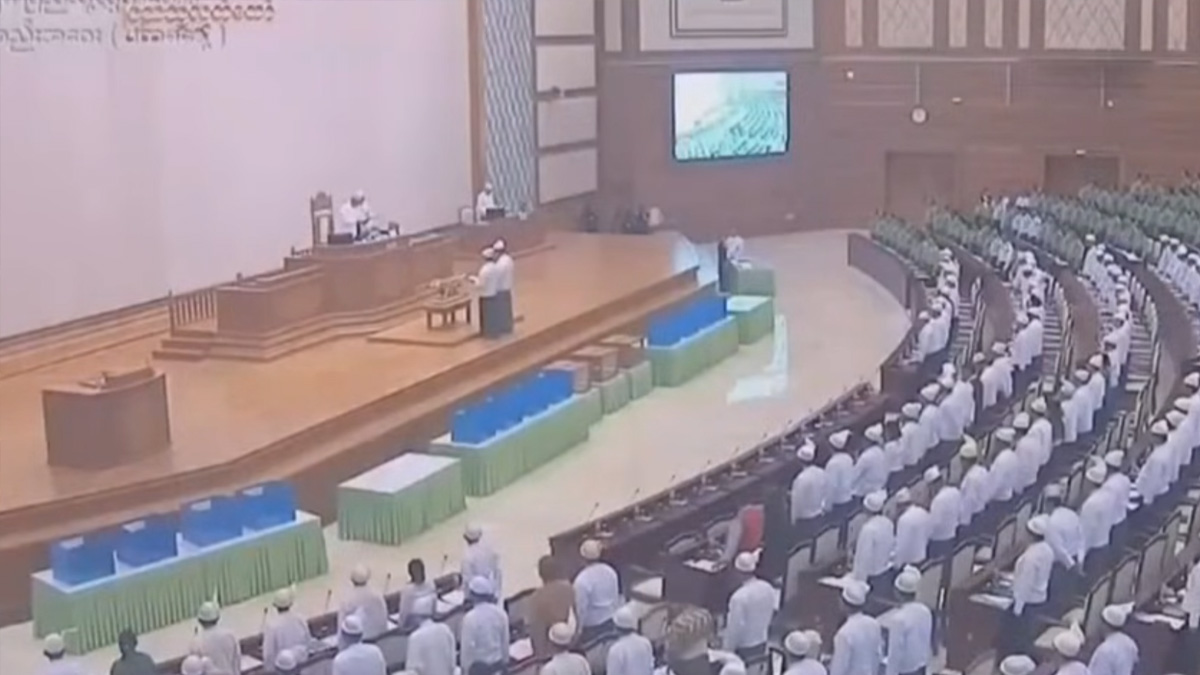
Türk’s comments were delivered a day after the Association of Southeast Asian Nations (ASEAN) formally announced it does not recognise the results of the elections, which were held in three phases from December 2025 to January 2026. The vote was the junta’s first attempt to restore nominal civilian governance since its 2021 coup.
Philippine Foreign Secretary Theresa Lazaro, speaking at ASEAN’s ministerial meeting in Cebu, confirmed on 29 January that the bloc “has not endorsed the three phases of the elections that were held.” Myanmar’s exclusion from ASEAN’s high-level forums remains in place, and Lazaro stated that the military’s actions have failed to meet conditions set by ASEAN for a credible and inclusive vote.
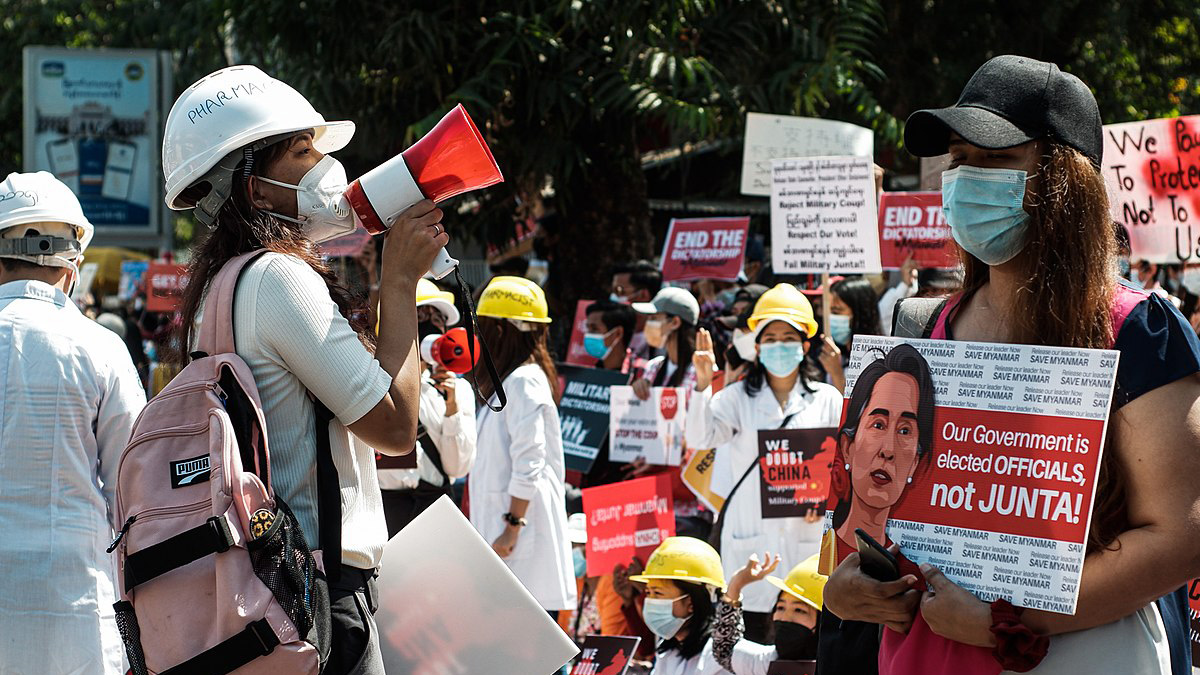
Türk, reflecting on the five-year anniversary of the coup, said, “After the military grabbed power from the democratically elected government, Myanmar lost half a decade of peace and development.” He warned that the staged elections inflicted further despair on the population and were incompatible with international human rights standards.
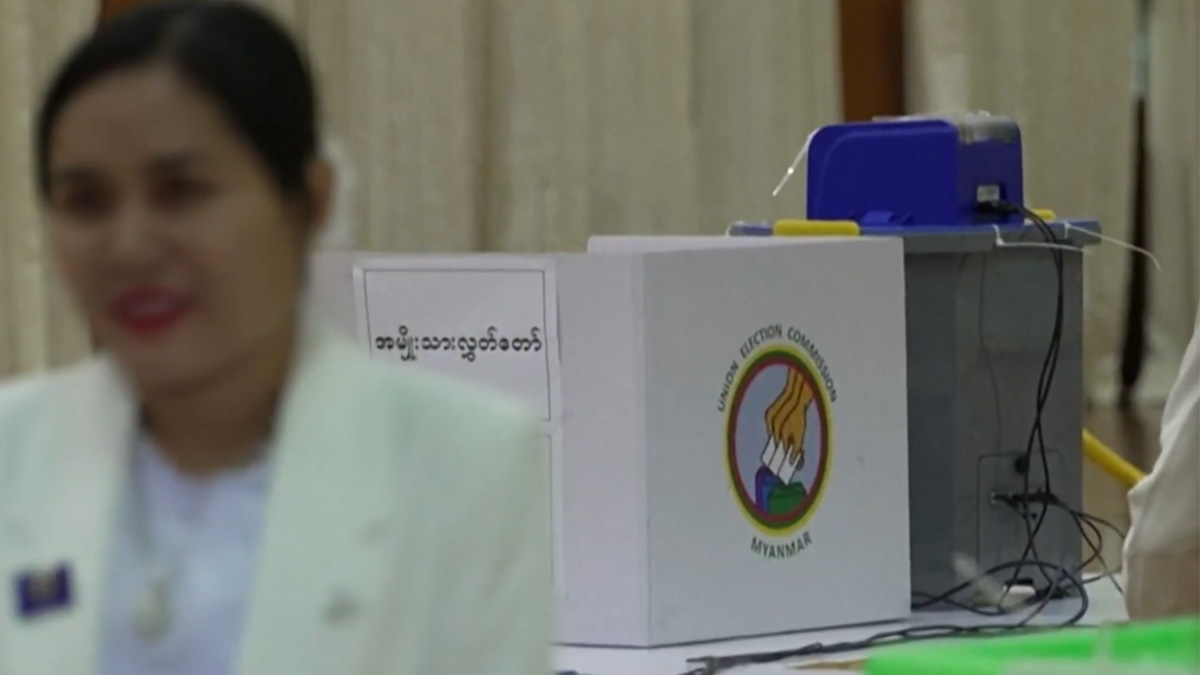
The elections were conducted in only 263 of 330 townships, largely in urban centres under military control. Key opposition parties, including the National League for Democracy (NLD), were banned, and millions of citizens — particularly displaced people and ethnic minorities such as the Rohingya — were excluded from participation.
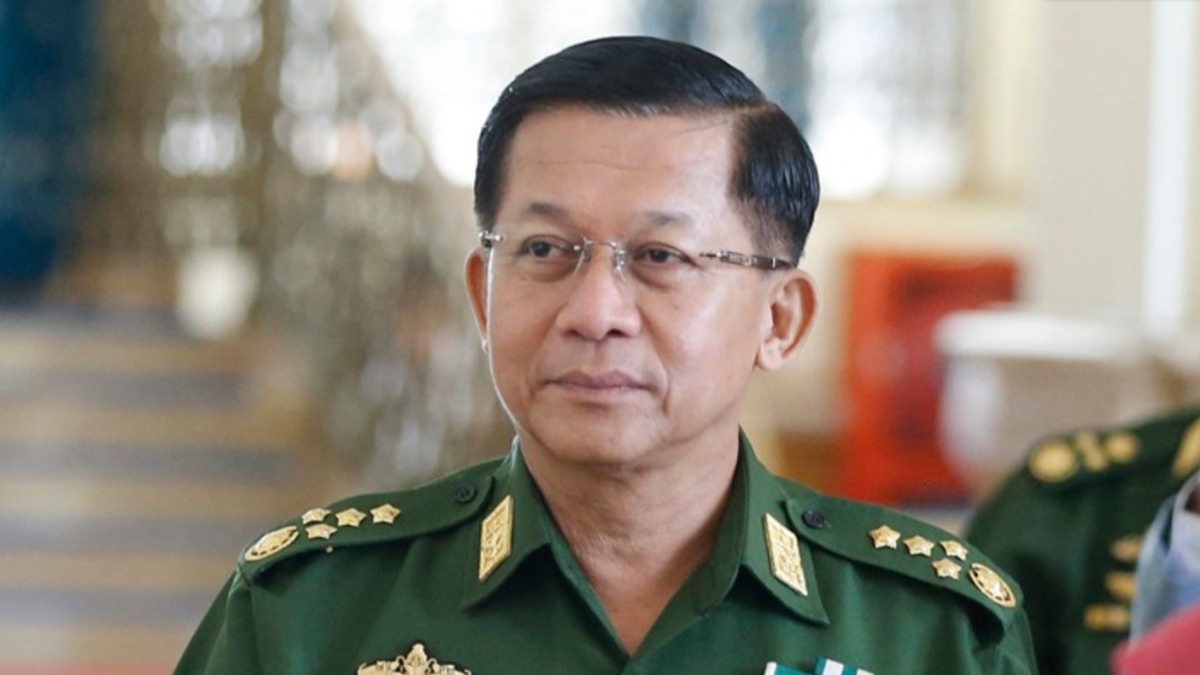
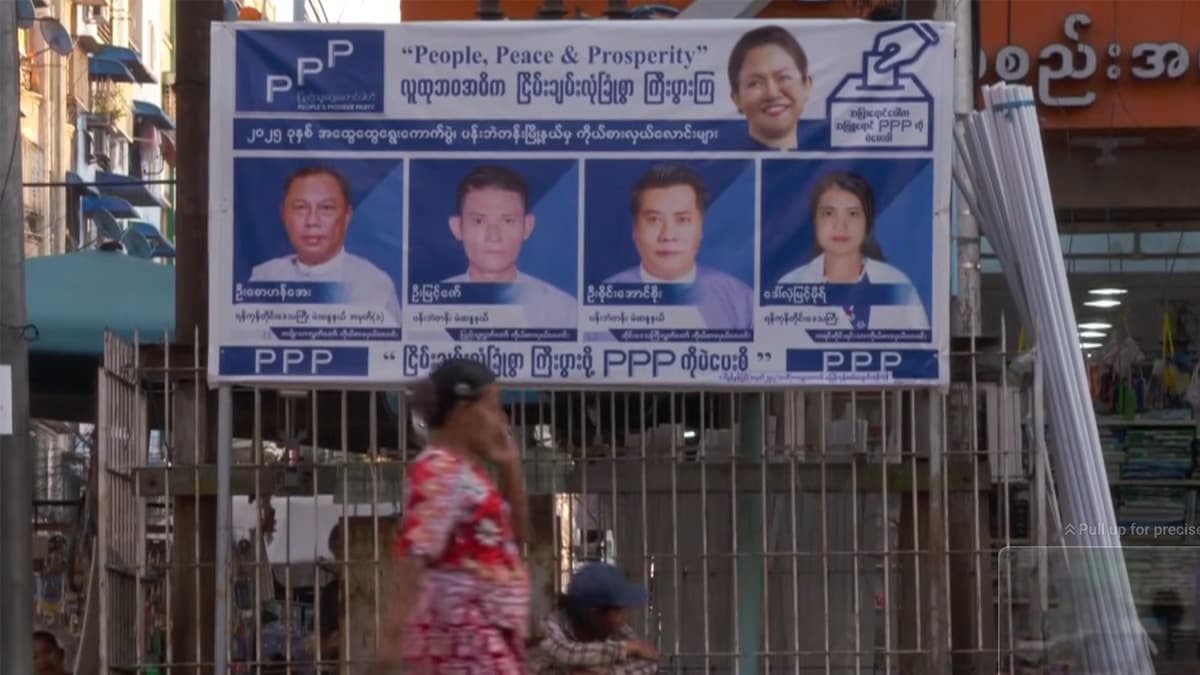
The Union Solidarity and Development Party (USDP), a military proxy, claimed victory in a contest widely seen as predetermined.
Türk criticised the climate of fear surrounding the elections. “Many people chose either to vote or not to vote purely out of fear, flatly at odds with their internationally guaranteed civil and political rights,” he said, warning that this also had a chilling effect on economic, social and cultural rights.
Credible reports documented widespread voter coercion. In one incident on 6 January 2026, over 100 villagers in the Sagaing region were arbitrarily detained and forced to cast advance ballots. Voters reported threats of conscription, loss of access to food, or denial of basic administrative services if they refused to vote. In some areas, armed groups threatened those who attempted to participate.
The vote period was marked by significant violence. According to open-source reports, at least 170 civilians were killed in 408 military aerial attacks between December 2025 and January 2026. On 22 January, up to 50 civilians were reportedly killed in a single airstrike in Bhamo Township, Kachin State, in a populated area with no confirmed combatant presence.
Opposition armed groups also allegedly targeted some polling sites and election officials.
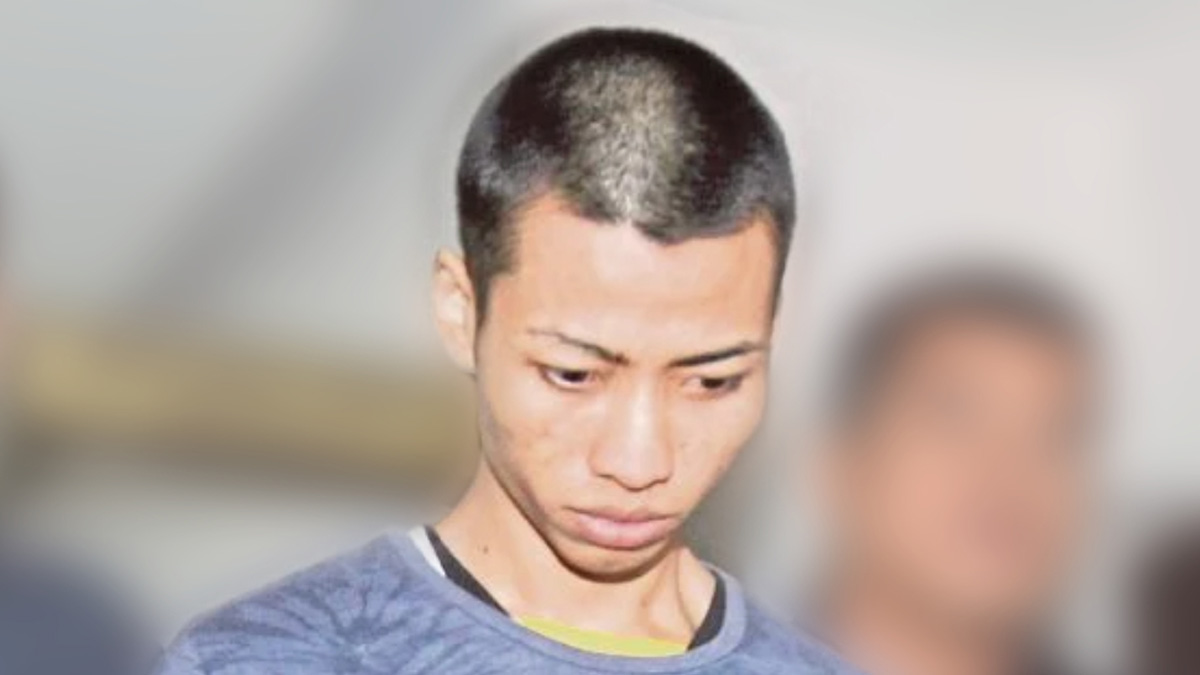
The junta enforced its electoral programme through sweeping arrests under a unilaterally imposed “Election Protection Law,” which includes disproportionate penalties for dissent. At least 404 individuals — 324 men and 80 women — were detained during the election period, some for online posts. One individual received a 49-year sentence for sharing anti-election content.
The law forms part of a broader surveillance infrastructure. The military employs a national “Person Scrutinization and Monitoring System” (PSMS), integrating AI and biometric databases to track dissenters. This system has enabled real-time monitoring of movement and identification, intensifying public fear.
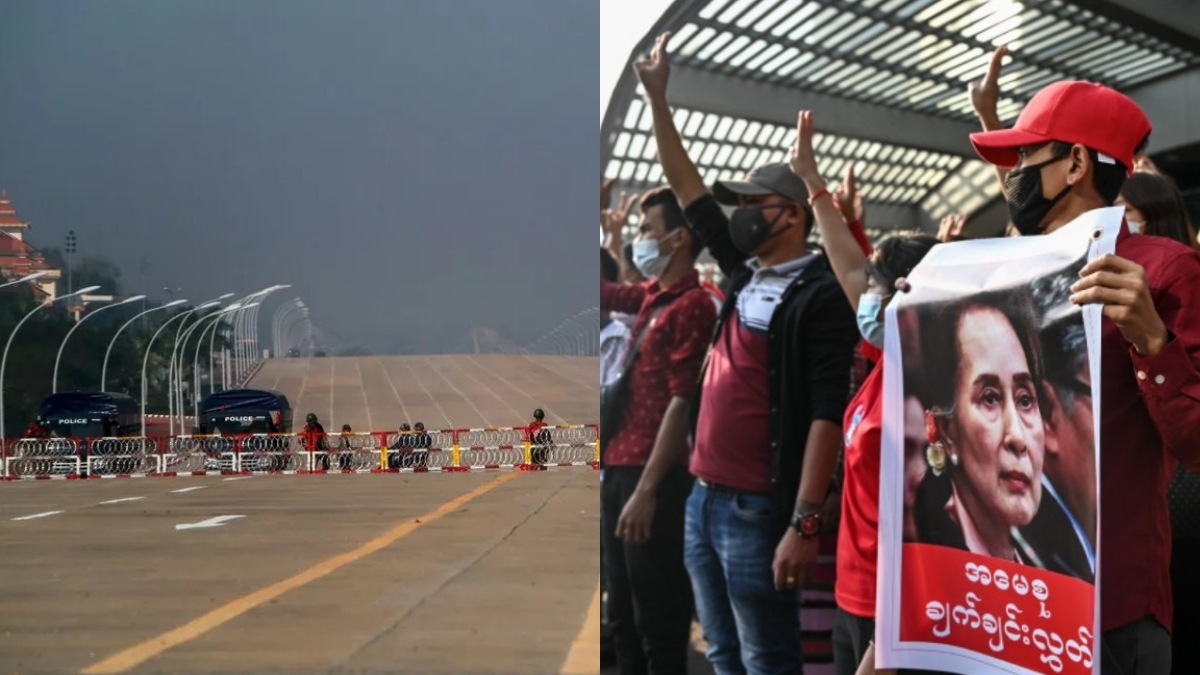
Türk called for the immediate release of all individuals arbitrarily detained under the regime, including NLD leader Aung San Suu Kyi and President Win Myint, both of whom remain in undisclosed locations with no access to legal counsel or family.
“For five years now, the military’s rule has been characterised by repression of political dissent, mass arbitrary arrests, arbitrary conscription, widespread surveillance and limitation of civic space,” Türk said. “Now, the military is seeking to entrench its rule-by-violence after forcing people to the ballot box. This couldn’t be further from civilian rule.”
He also warned of the deepening humanitarian and economic crisis. Nearly a quarter of the population now faces acute food insecurity, and over one-third are in urgent need of assistance. Since the coup, an estimated 3.6 million people have been displaced, and over 90,000 have been killed in the ongoing civil conflict, according to data from the Armed Conflict Location & Event Data Project (ACLED).
ASEAN had previously adopted a five-point consensus in 2021 to address the Myanmar crisis, calling for an end to violence and dialogue among all parties. However, the bloc’s efforts have been hindered by Myanmar’s refusal to cooperate and divisions within ASEAN itself. The recent rejection of the election results marks a rare moment of unity on the issue.
Still, Türk warned that condemnation alone is not sufficient. “I call on the international community, particularly those States with influence, to redouble efforts to end the violence. Now is the time to find new pathways to restoring democracy and respect for all human rights, as demanded by the Myanmar people for half a decade.”