China issues wanted notice for 100 fugitives linked to telecom fraud in Myanmar
China’s Ministry of Public Security has named 100 fugitives allegedly behind large-scale telecom and online fraud rings, many tied to Myanmar-based syndicates. A 200,000 yuan reward is offered for information leading to their capture.

- China has named 100 top suspects allegedly behind cross-border telecom and online fraud, many tied to criminal syndicates in northern Myanmar.
- The crackdown coincides with the extradition of She Zhijiang and the arrest of 9,500+ foreign nationals in Myanmar linked to cyber scams.
- Authorities are offering RMB 200,000 for leads and urging fugitives to surrender.
On 9 December, China's Ministry of Public Security (MPS) issued a public notice listing 100 individuals accused of directing or financing telecom and online fraud targeting Chinese citizens. The suspects are believed to operate out of compounds in northern Myanmar, particularly in the Kokang, Laukkaing, and Shwe Kokko regions.
The MPS said the suspects—many of them shielded by “foreign forces”—have caused “extremely grave harm” through fraud networks that have ensnared thousands of victims. Among the most notorious names on the list are Wu Qiping, Wu Qingzheng, Fu Xiaobin, and Ou Changhua, allegedly linked to Myanmar’s “Four Major Families,” a term used to describe dominant criminal clans in the area.
Rewards of 200,000 yuan (approximately US$28,259) are being offered for information leading to the arrest of any listed suspect. Chinese law enforcement has encouraged fugitives to surrender voluntarily, warning that refusal could lead to harsher penalties.
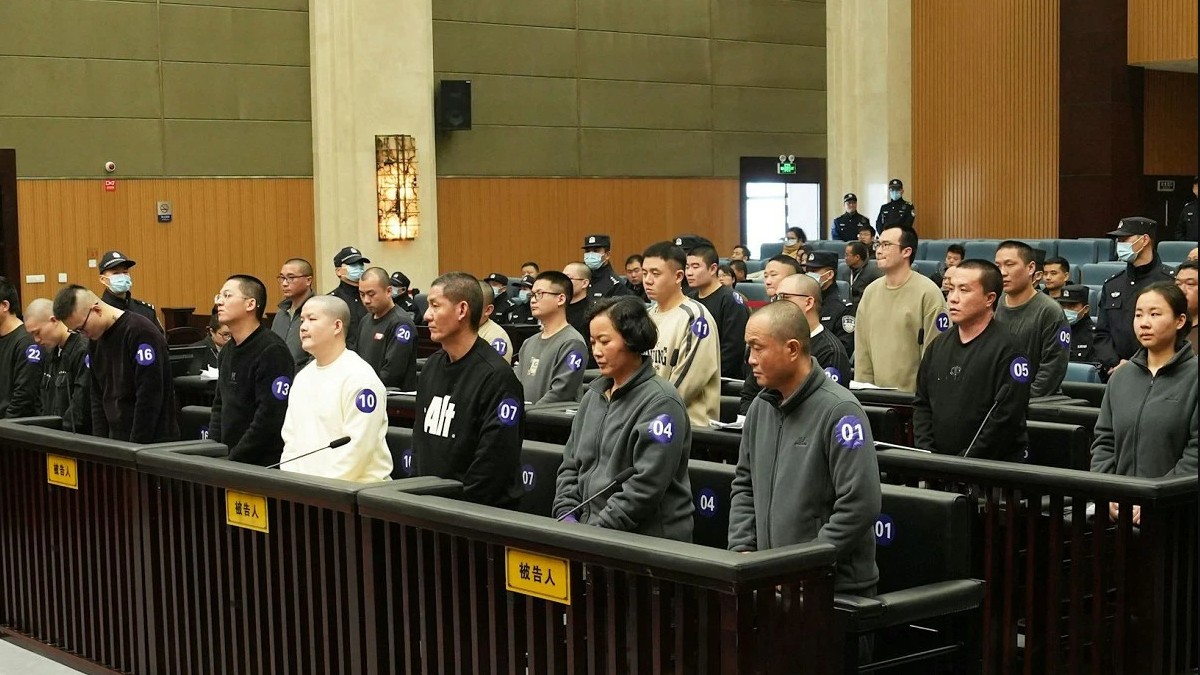
The announcement followed a major legal milestone in China’s courts. On 4 November, the Shenzhen Intermediate People’s Court sentenced five members of the Bai family criminal organisation to death. The court found the group guilty of a wide range of charges, including telecom fraud, intentional homicide, kidnapping, and illegal border crossings.
According to the court, the Bai family’s operations defrauded victims of more than 29 billion yuan (US$4.1 billion).
The court also cited multiple deaths and suicides linked to the group’s activities, along with the use of torture to control trafficked scam workers. Harrowing footage in a state media documentary included accounts of workers having fingernails removed and fingers severed inside Bai-run compounds.
The death sentences were handed down to Bai Suocheng, Bai Yingcang, Yang Liqiang, Hu Xiaojiang, and Chen Guangyi. Two others received suspended death sentences, five were given life imprisonment, and nine received prison terms of three to twenty years.
The Bai syndicate is accused of building its criminal empire in Myanmar’s Kokang region with the support of local militias and political protection dating back to the early 2000s. Chinese investigators have described the case as a watershed moment in dismantling one of the region’s most entrenched scam networks.
A Chinese official featured in a state documentary summarised the message behind the crackdown: “No matter who you are, or where you are, if you commit heinous crimes against the Chinese people, you will pay the price.”
In parallel with court actions, Chinese authorities continue to pursue international cooperation to suppress scam operations. On 12 November, She Zhijiang, a Chinese national and gambling mogul, was extradited from Thailand following a legal battle that lasted over three years.
She is widely known for his role in developing Shwe Kokko, a controversial border enclave marketed as a luxury tourism zone, but long suspected of housing cybercrime hubs and human trafficking networks.
Promotional materials for Shwe Kokko depict a thriving resort community, but both local sources and international observers have documented the ongoing presence of scam operations.
She, who also holds Cambodian and Myanmar citizenship, has denied orchestrating scams but admitted to the BBC that “scammers may have entered” the open-access city. His company, Yatai International, is currently under sanctions by the US and UK for alleged human rights violations linked to scam activities.
The crackdown is occurring against a backdrop of increased coordination between China and regional governments.
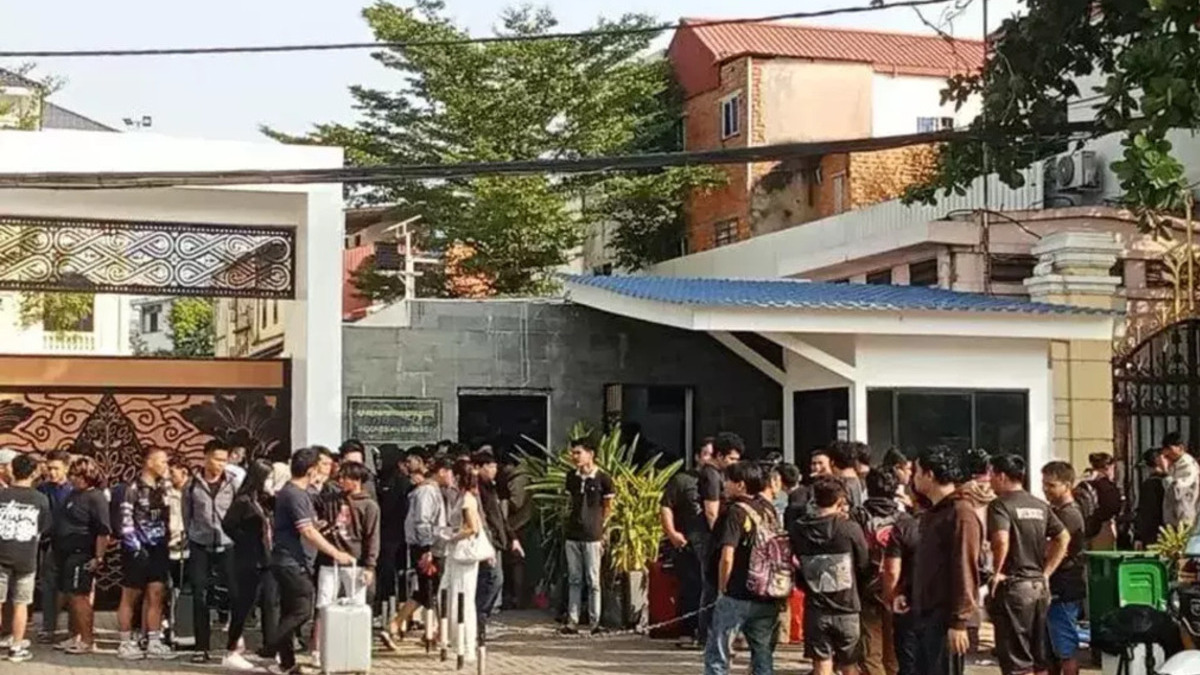
Between 30 January and 19 October 2025, Myanmar detained 9,551 foreign nationals involved in illegal entry and suspected scam operations, mostly from China. Of these, 9,337 were repatriated via Thailand under legal procedures.
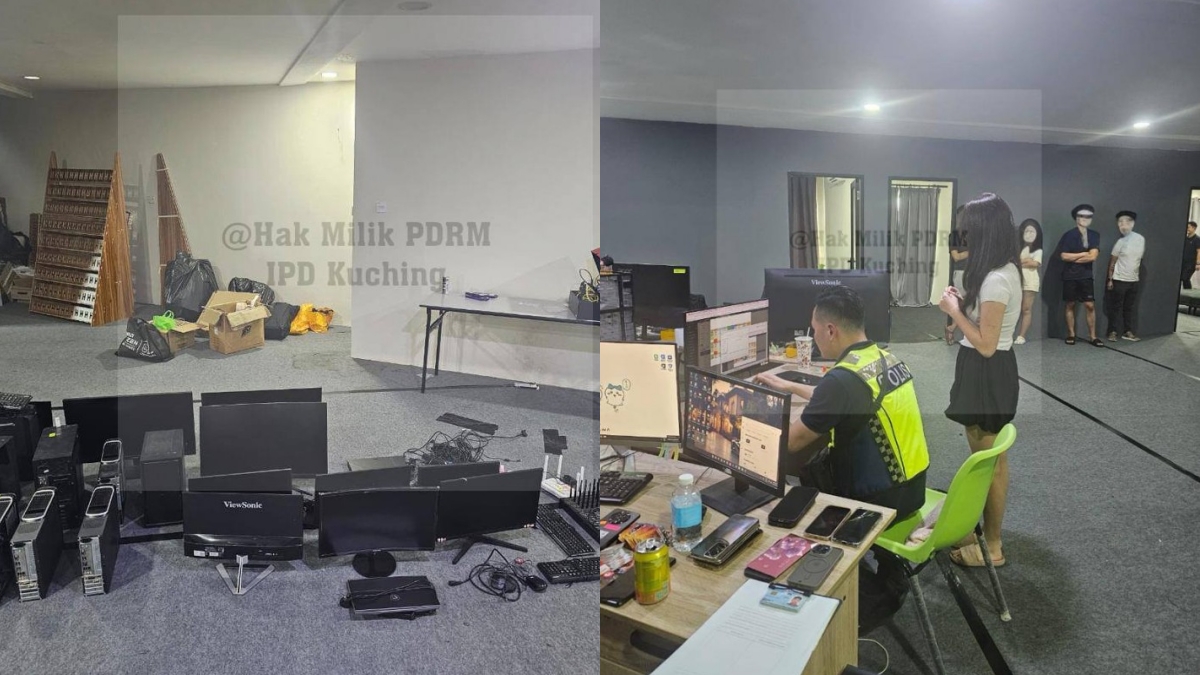
Myanmar’s authorities have also confirmed that the arrests include individuals operating in KK Park and other known scam enclaves in Myawady, Kayin State. The arrests are part of joint efforts to dismantle online gambling and fraud centres, and to repatriate both criminal suspects and human trafficking victims.