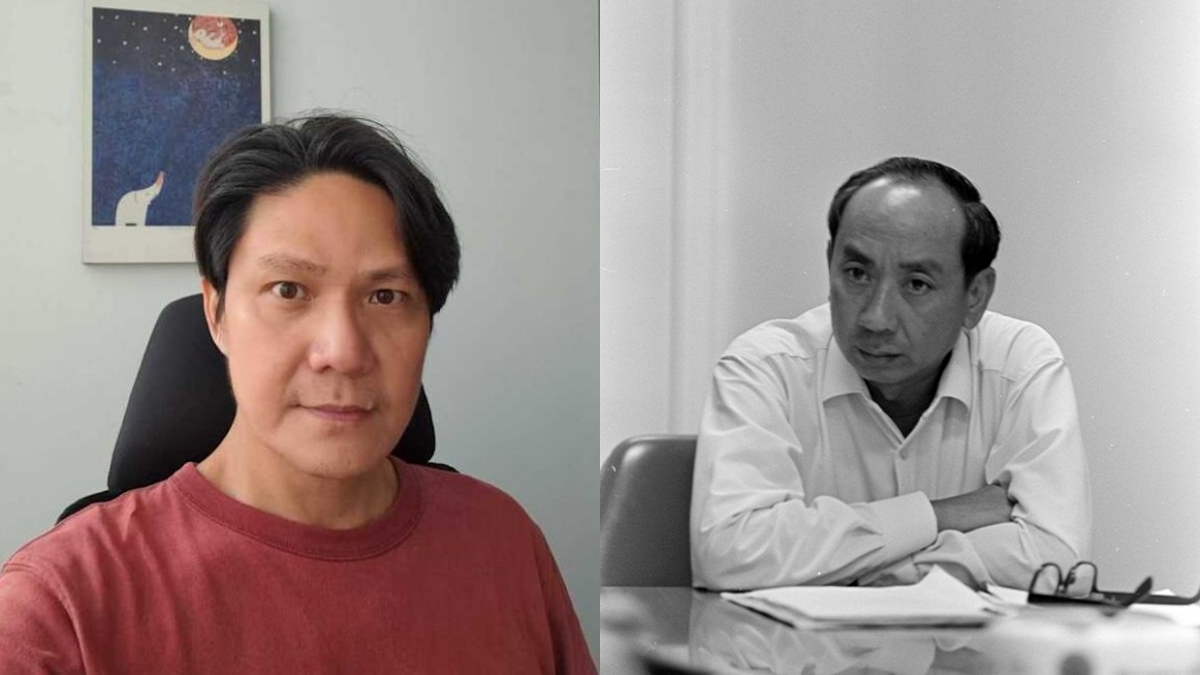
HKMO condemns OSNS summons of foreign media as chilling warning to press freedom
Hong Kong Media Overseas has condemned the Office for Safeguarding National Security’s summons of foreign journalists over their reporting on the Tai Po fire, warning it marks a serious erosion of press freedom and could trigger visa reprisals for non-local reporters.
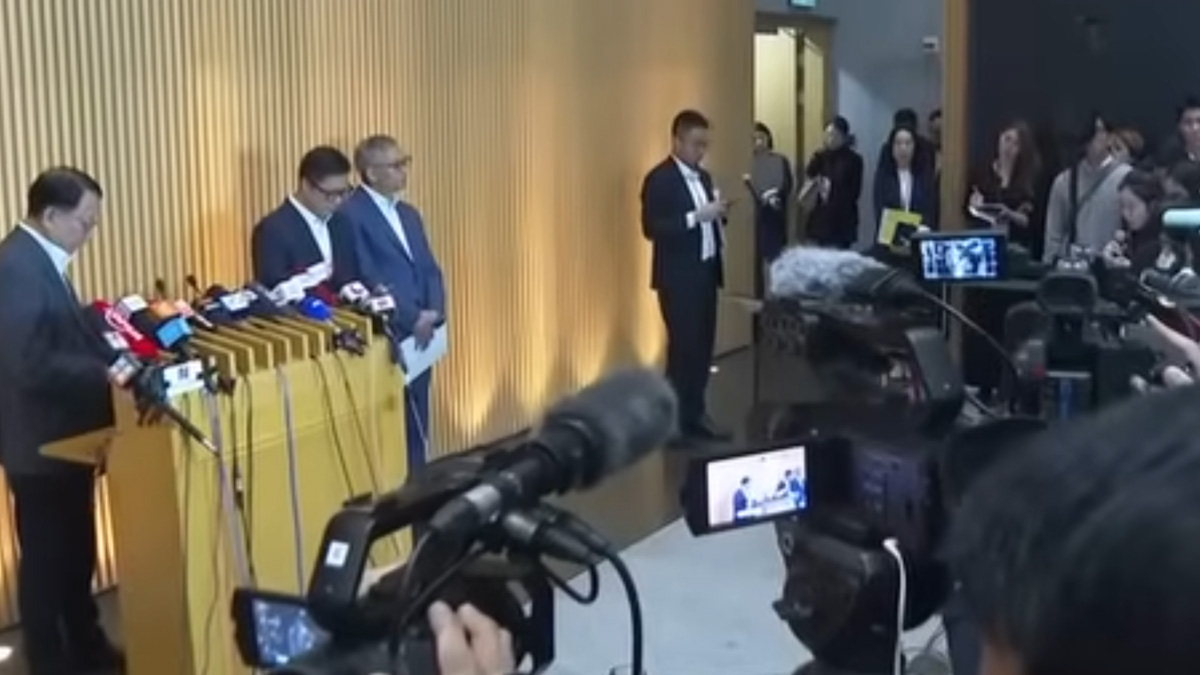
- The OSNS summoned foreign media over reports on the Tai Po fire, warning against "interference" and threatening reprisals.
- HKMO says this marks a dangerous shift towards intimidation and censorship under the National Security Law.
- Concerns raised that foreign journalists may face visa denials and increased pressure to self-censor.
Hong Kong Media Overseas (HKMO) has issued a strong statement of concern following the Office for Safeguarding National Security’s (OSNS) unprecedented summons of foreign media outlets. The summons, conducted under the National Security Law, was triggered by critical coverage of the deadly fire at Wang Fuk Court in Tai Po—the city’s worst in nearly eight decades.
In a statement dated 6 December 2025, HKMO described the move as a “blatant threat” to press freedom, warning that such actions place international journalists at risk of retaliation, including the denial of work visa renewals.
The OSNS publicly warned foreign media against “interfering” in Hong Kong and China’s affairs under the guise of press freedom.
Media outlets were told not to cross the “red line”, and were admonished to “watch your back” (自我珍重) and “watch your step” (好自為之). The message concluded with the ominous phrase: “Consider yourselves duly warned” (勿謂言之不預).
According to Reuters, the OSNS claimed that some foreign outlets had “spread false information” and “smeared” the government's response to the Wang Fuk Court disaster, which killed at least 159 people. The office further accused these outlets of distorting facts and interfering with the upcoming Legislative Council election.
The meeting, held just a day before the 7 December election, is believed to be the first instance of the OSNS summoning foreign journalists en masse over event-specific reporting. Though the specific outlets summoned were not named, Reuters confirmed it was not contacted or present at the meeting.
The OSNS defended the action under the National Security Law imposed by Beijing in 2020, citing provisions that allow the office to “take necessary measures to strengthen the management” of foreign entities, including media agencies.
HKMO, representing overseas Hong Kong journalists and media professionals, sharply criticised the OSNS's language and tactics. It stated that the framing of legitimate inquiries as “smearing” and the warning language used constitutes a direct attack on the role of the press and the public’s right to know.
“The vague and expanding use of national security rhetoric creates uncertainty over what constitutes lawful reporting,” HKMO said, warning that this ambiguity drives self-censorship and further constricts Hong Kong’s once-vibrant media environment.
The Wang Fuk Court fire has become a flashpoint for public scrutiny, with reports suggesting that shoddy renovation work and inadequate safety oversight contributed to the disaster’s severity. Public frustration has grown in the wake of perceived shortcomings in the government’s response.
Authorities have reportedly detained several activists who pushed for accountability, with state-linked media warning against using the tragedy to “disrupt Hong Kong.”
HKMO underlined the duty of both local and foreign journalists to investigate the causes of the fire, monitor the government’s handling of its aftermath, and reflect the concerns of Hong Kong’s population.
“We urge international media outlets to stand firm and persist in their coverage of the Wang Fuk Court fire,” the organisation said. It also called on human rights bodies to monitor developments and uphold the principles of truthful reporting.
Hong Kong has seen a steep decline in global press freedom rankings in recent years. It now sits at 140 out of 180 in the World Press Freedom Index by Reporters Without Borders. Media tycoon and vocal Beijing critic Jimmy Lai currently faces life imprisonment under the same National Security Law that authorised the OSNS’s actions against foreign media.
HKMO concluded its statement by extending condolences to the families of the victims, and expressing gratitude to the firefighters and volunteers who responded to the crisis.