Aid delays trigger looting as North Sumatra communities endure isolation after deadly floods and landslides
Looting in North Sumatra increased amid delays in aid delivery. Viral videos show residents apologising and saying they took only essential items to survive, including a father who promised to repay everything once able.

- Looting incidents in North Sumatra intensified as many residents reported lacking food and aid for days.
- Viral videos show individuals explaining they looted only essential items for survival, including a father who apologised and promised repayment.
- Reports from Kompas News, CNN Indonesia, and Detik Sumut highlight delays in logistics and severe access disruptions.
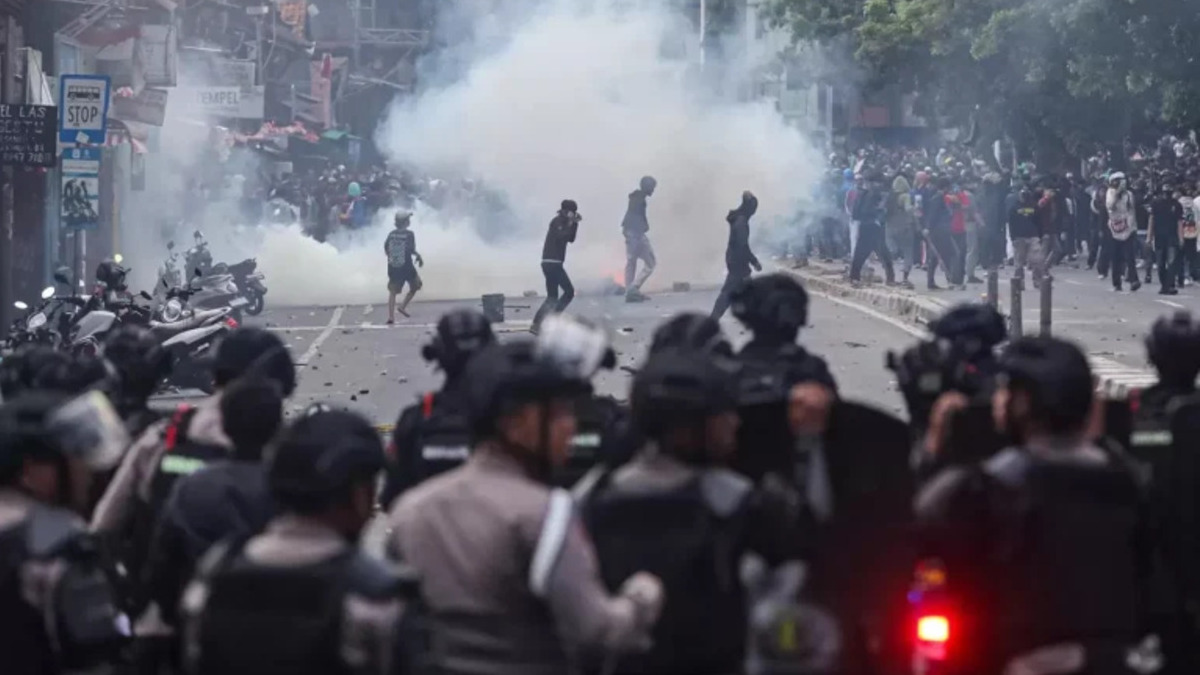
INDONESIA: Widespread shortages following severe floods and landslides in Sumatra have led to a rise in looting incidents across North Sumatra.
Reports from local news indicate that delays in aid distribution have left many residents without food for extended periods.
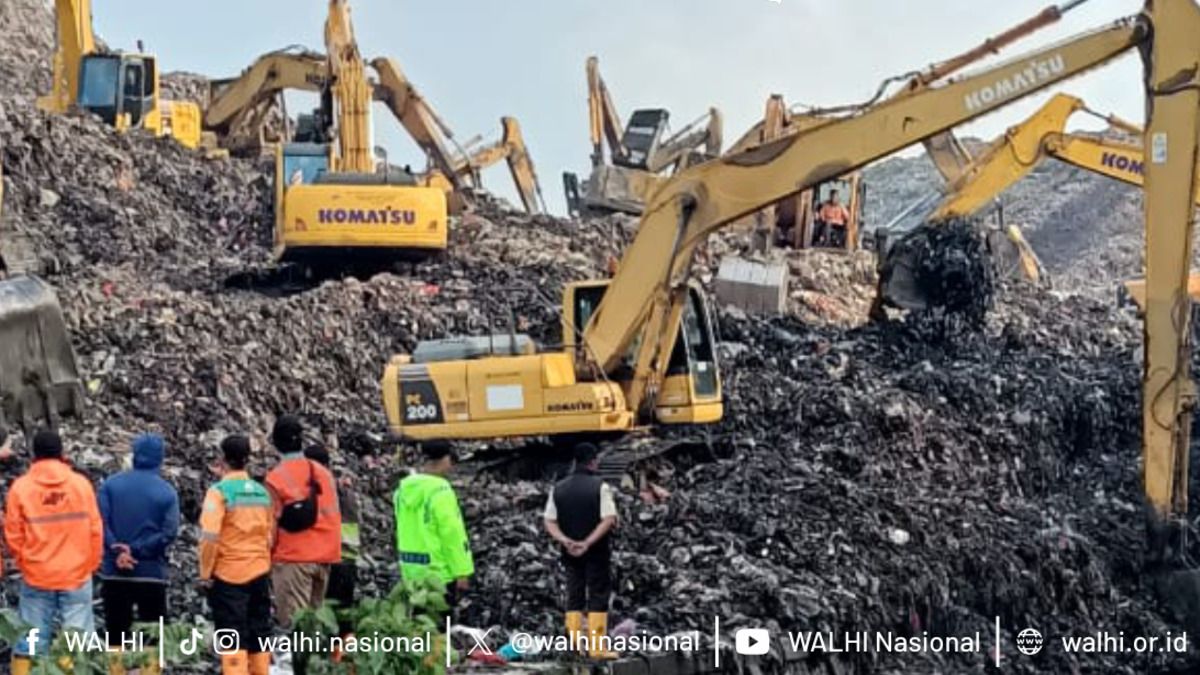
Kompas News reported that roads remain cut off, bridges damaged, and power disrupted, leaving thousands isolated for more than 48 hours.
The publication argues that looting in such situations often reflects logistical failures rather than criminal intent.
According to local media, similar behaviour occurred during the 2018 Lombok earthquake. Residents took basic goods when supplies had not arrived, with many later returning to reimburse store owners.
This pattern is echoed in viral videos circulating across social media.
In one recording, a father is seen apologising to a minimarket owner after taking essential food items for his children.
The man states that he took three packets of instant noodles, bottled water, and snacks. He says, “Actually, I had no intention of doing that, it was just because we had limited food. We had no money and no help whatsoever. I will definitely return to the shop to pay for everything.”
View this post on Instagram
CNN Indonesia reported that police arrested 16 individuals suspected of looting minimarkets in Sibolga, North Sumatra. Kasubbid Penmas Polda Sumut, AKBP Siti Rohani, stated that the items taken were basic necessities such as packaged drinks, sugar, soap, and ready-to-eat foods.
CNN Indonesia listed targeted outlets, including several Indomaret branches on Jalan Sisingamangaraja, Jalan Suprapto, and Jalan Sibolga-Barus. Other incidents occurred at Alfamidi on Jalan Sisingamangaraja and three Alfamart stores in the city.
The Bulog warehouse in Sibolga was also affected on Saturday, 29 November 2025. Authorities told CNN Indonesia that those involved were largely disaster victims who had not received aid.
View this post on Instagram
In Tapanuli Tengah, more footage showed residents entering minimarkets whose doors were partially open. CNN Indonesia reported that people took food, water, and basic supplies before leaving the premises.
View this post on Instagram
Detik Sumut confirmed that the videos originated from Tapanuli Tengah. Its coverage described residents forcing their way into shops as food stocks in the area ran out.
A resident named Aswan told Detik Sumut that essential supplies had been exhausted. He said the area suffered extensive destruction, leaving households without basic goods.
Police spokesperson Kombes Ferry Walintukan confirmed that officers in Tapanuli Tengah are handling the cases. He stated that the incidents occurred before the arrival of emergency supplies delivered by air.
Government officials have acknowledged the slow distribution of aid.
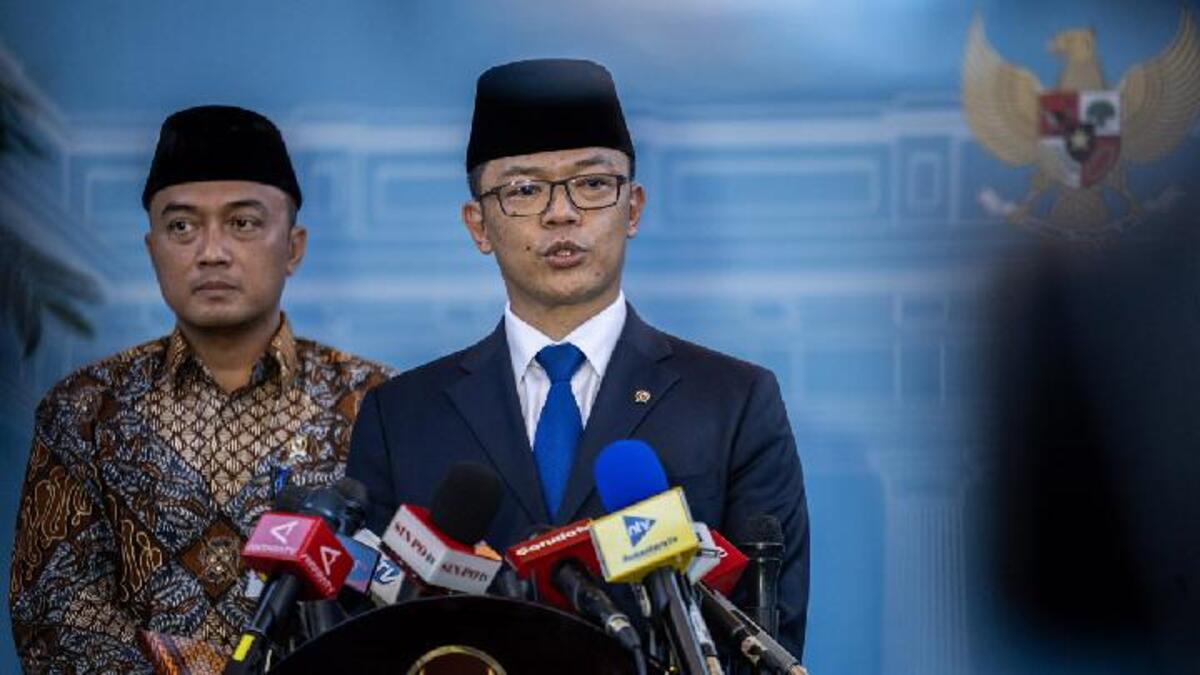
The Deputy Governor of North Sumatra, Surya, told Detik Sumut that while logistics were available, access to affected areas remained extremely limited.
Surya said blocked roads and disrupted communications hindered early relief efforts.
He explained that smaller vehicles and alternative routes through Subulussalam were now being used to reach communities.
He also urged residents to remain calm and patient. Surya stated that both central and provincial authorities were working continuously in the field.
Kompas News reported that most looting involved essential goods rather than non-essential items.
It argues that social norms remain intact and that the main issue lies in emergency systems unable to respond quickly during the first critical days.