Indonesia extends Freeport’s Grasberg licence to 2061, bolstering US ties
Indonesia has extended PT Freeport Indonesia’s Grasberg mining licence to 2061, securing a US$20 billion investment pledge and reinforcing economic ties with the United States, while drawing criticism from environmental group WALHI.
- Indonesia has extended PT Freeport Indonesia’s licence for the Grasberg mine to 2061, strengthening economic ties with the United States.
- The agreement includes a US$20 billion investment commitment and a potential rise in Indonesia’s ownership stake to 63 per cent.
- Environmental group WALHI says the decision risks worsening ecological damage and social impacts in Papua.
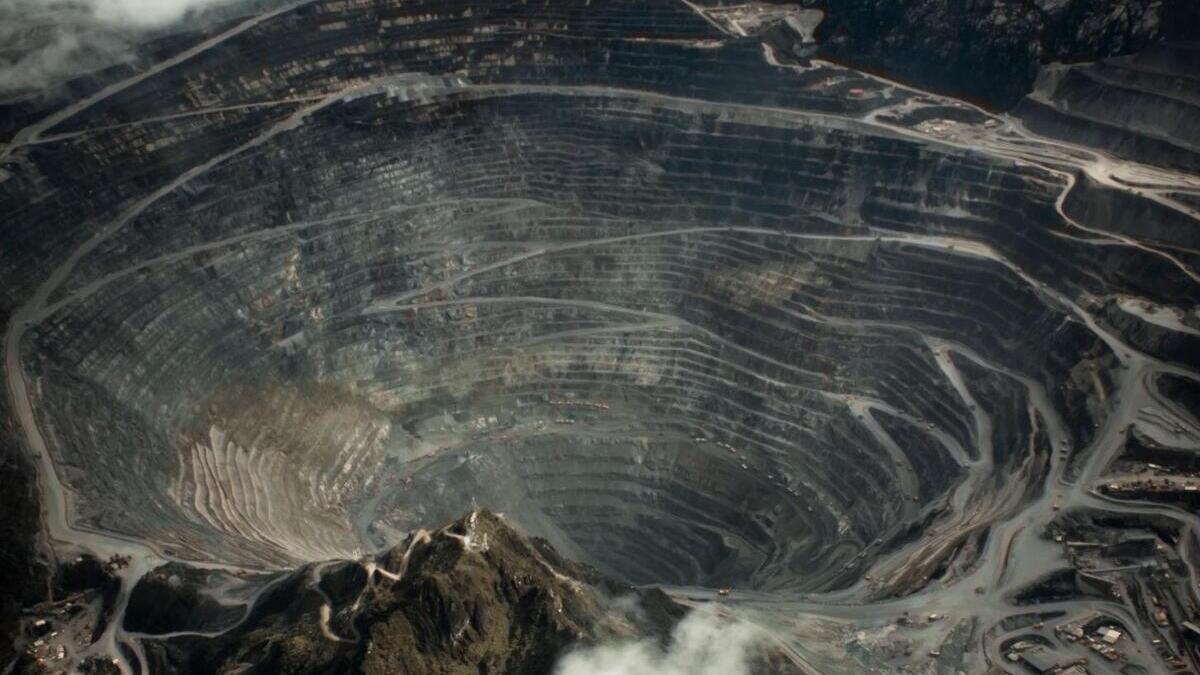
The Indonesian Government has formally approved the extension of PT Freeport Indonesia’s mining licence for the Grasberg mine in Central Papua until 2061, deepening economic ties with the United States while drawing sharp criticism from environmental groups.
The decision was confirmed following the signing of a Memorandum of Understanding (MoU) to extend the Special Mining Business Permit (IUPK) for the world-class copper and gold deposit.
The new licence period will cover 2041–2061, adding 20 years beyond the company’s current permit.
PT Freeport Indonesia (PTFI) is a subsidiary of the US-based mining giant Freeport-McMoRan, which has operated in Papua for more than five decades. The Grasberg complex is widely regarded as one of the largest gold and copper mines in the world.
US$20 billion investment commitment
The extension forms part of a broader strengthening of Indonesia–US economic relations. During a press conference in Washington, DC, held alongside the signing of the Agreement on Reciprocal Trade (ART) between Indonesian President Prabowo Subianto and US President Donald Trump, ministers confirmed that Freeport had committed to inject an additional US$20 billion in investment over the next two decades.
Minister of Investment and Head of the Investment Coordinating Board (BKPM) Rosan Roeslani stated that the MoU was signed following a government mandate and would soon be followed by a definitive agreement.
“Freeport will be able to increase its investment over the next 20 years to a value of approximately US$20 billion,” Rosan said, adding that the additional capital would generate positive fiscal impacts, including higher tax receipts and state revenues.
Minister of Energy and Mineral Resources (ESDM) Bahlil Lahadalia said the extension was intended to anticipate peak production around 2035 and ensure operational sustainability thereafter.
He noted that intensive discussions had taken place between the Government, state-owned mining holding MIND ID, and Freeport regarding the extension mechanism.
Under the revised arrangement, Indonesia’s existing 51 per cent ownership stake in PTFI could increase by a further 12 percentage points to 63 per cent by 2041.
Coordinating Minister for Economic Affairs Airlangga Hartarto said the extension also strengthens cooperation in the critical minerals sector under the bilateral trade framework.
“There is development in critical minerals, in this case the extension of Freeport-McMoRan from 2041 to 2061,” Airlangga said, adding that the partnership includes downstream processing of critical minerals and rare earth elements, as well as openness to investment and technology transfer.
WALHI: ‘A policy that perpetuates crisis’
The decision has provoked a strong reaction from Indonesia’s largest environmental advocacy group, the Wahana Lingkungan Hidup Indonesia (WALHI).
In a detailed press release issued in Jakarta on 21 February 2026, WALHI described the extension as a policy that would “perpetuate crisis and suffering in Papua”.
Boy Jerry Even Sembiring, Executive Director of WALHI, argued that granting a contract covering the lifetime of remaining reserves effectively legitimises prolonged exploitation without addressing long-standing ecological damage.
“This MoU does not merely extend the operational period, but also removes space for efforts to restore Papua’s ecosystems, which have suffered damage for more than 50 years,” Boy said. “The state is effectively acting as a facilitator of ecological disaster that threatens environmental sustainability and the lives of Indigenous Papuans.”
WALHI contends that promises of increased investment, downstream industrialisation and enhanced state revenue are disproportionate when measured against what it describes as an ongoing ecological and humanitarian crisis in Papua.
Allegations of environmental and social harm
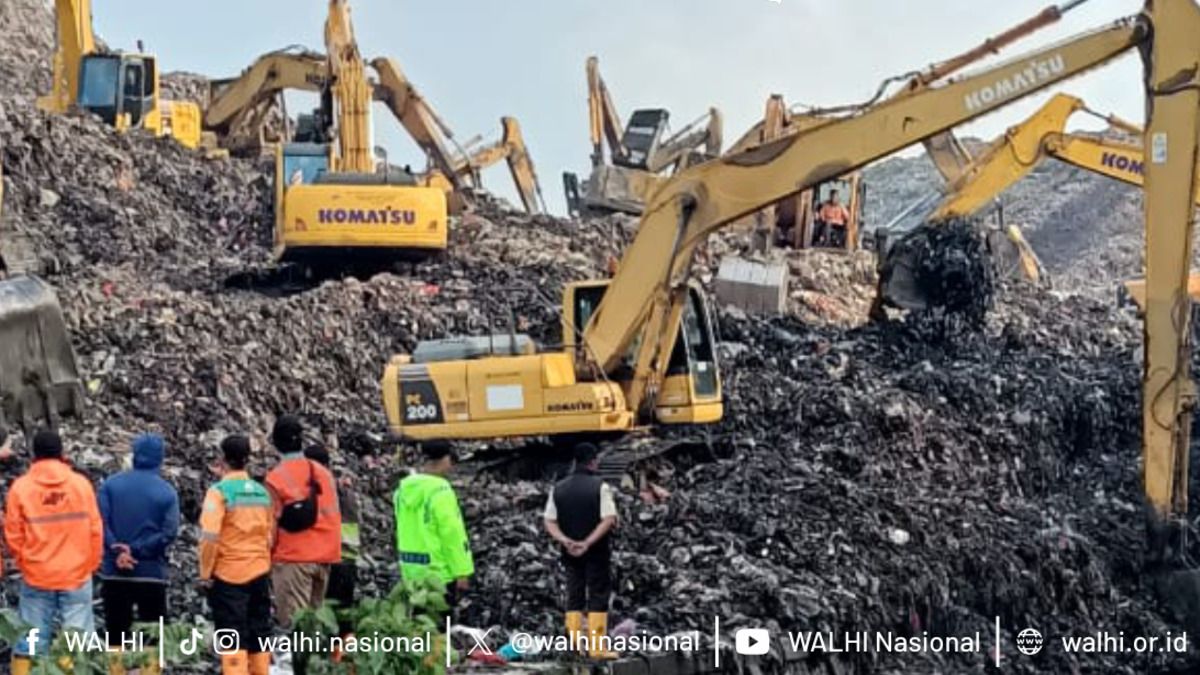
According to WALHI’s internal records, Freeport’s activities have resulted in significant environmental degradation, including river pollution from tailings disposal and deforestation.
The group claims that since 2019 approximately 200,000 tonnes of tailings per day have been discharged into rivers such as the Aghawagon and Otomona, leading to copper concentrations at river mouths reaching 0.5 mg/L — nearly 40 times above safe thresholds.
It also alleges that acid mine drainage has lowered water pH levels to 3.5 in affected areas.
Between 2019 and 2025, WALHI states that deforestation reached 22,000 hectares, while sedimentation at the Ajkwa estuary disrupted traditional routes used by the Kamoro Indigenous community. By 2023, it says, PTFI operations emitted around 2.5 million tonnes of greenhouse gases.
The organisation further claims that landslide risks increased by 15–20 per cent, culminating in a wet muck incident at the Grasberg Block Cave in September 2025.
Social impacts have also been cited. WALHI reports that fish catches among the Amungme and Kamoro communities have declined by up to 60 per cent due to river contamination, while cases of acute respiratory infection (ARI) in Mimika Regency have risen by 12 per cent over the past five years.
“These impacts demonstrate that Papua’s environment has been treated merely as an object of monetisation,” Boy said. He added that the ecological and cultural consequences for Indigenous Papuans — particularly the Amungme and Kamoro peoples — had never been adequately addressed.
Transparency and participation concerns
WALHI also criticised what it described as a lack of transparency in the MoU process. The group alleges that negotiations were conducted behind closed doors, without meaningful participation from Indigenous communities.
“This is the most rational reason why WALHI rejects the Government’s policy to extend Freeport’s operations,” Boy asserted. “It will only lock Papua into a new cycle of destruction, deepen the ecological crisis, and disregard justice for the Papuan people.”
The Government has not publicly responded in detail to WALHI’s specific environmental allegations but maintains that the extension strengthens national ownership, boosts state revenues and enhances Indonesia’s role in global critical mineral supply chains.