Indonesia acknowledges strong public opposition to proposal to reintroduce indirect regional elections
The Indonesian government has acknowledged growing public opposition to proposals to reintroduce indirect regional elections, following survey results showing strong rejection of DPRD-selected governors, regents and mayors.
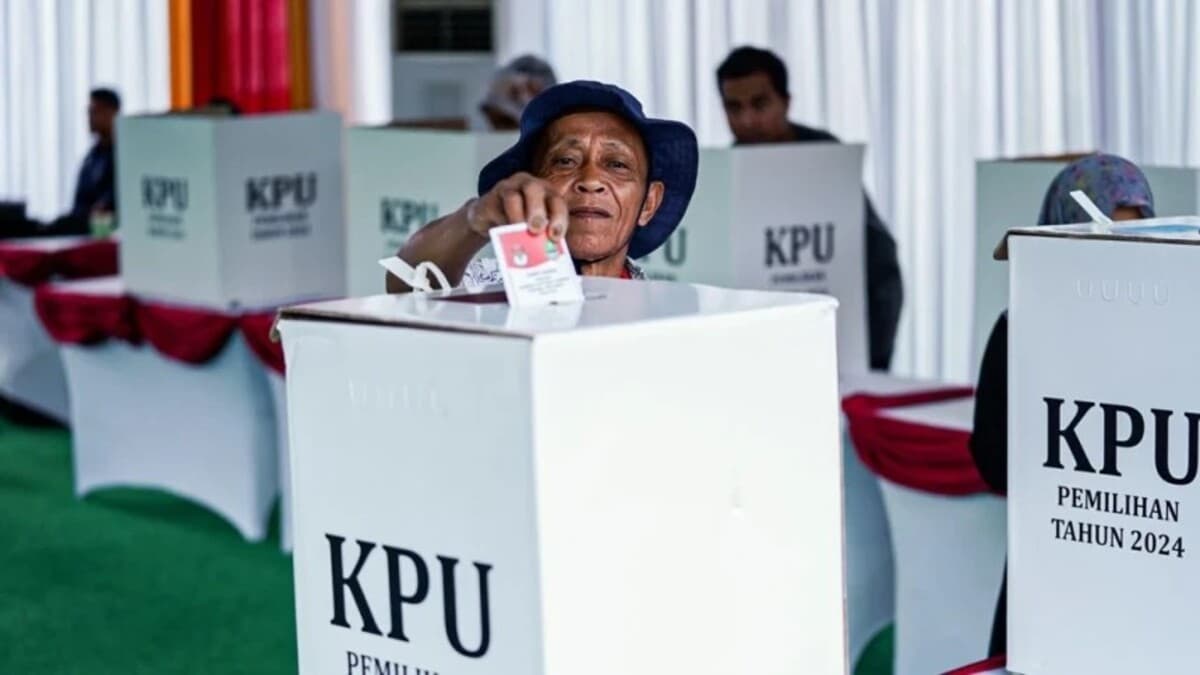
- The government has acknowledged strong public opposition to proposals to return regional elections to DPRD selection.
- A recent LSI Denny JA survey shows 68 per cent of Indonesians reject indirect elections.
- Despite resistance, several major parties continue to support the idea, citing cost and governance concerns.
The Indonesian government has publicly acknowledged growing public resistance to a proposal to reintroduce indirect regional elections, following the release of survey results showing strong opposition to the idea of governors, regents and mayors being elected by Regional People’s Representative Councils (DPRD).
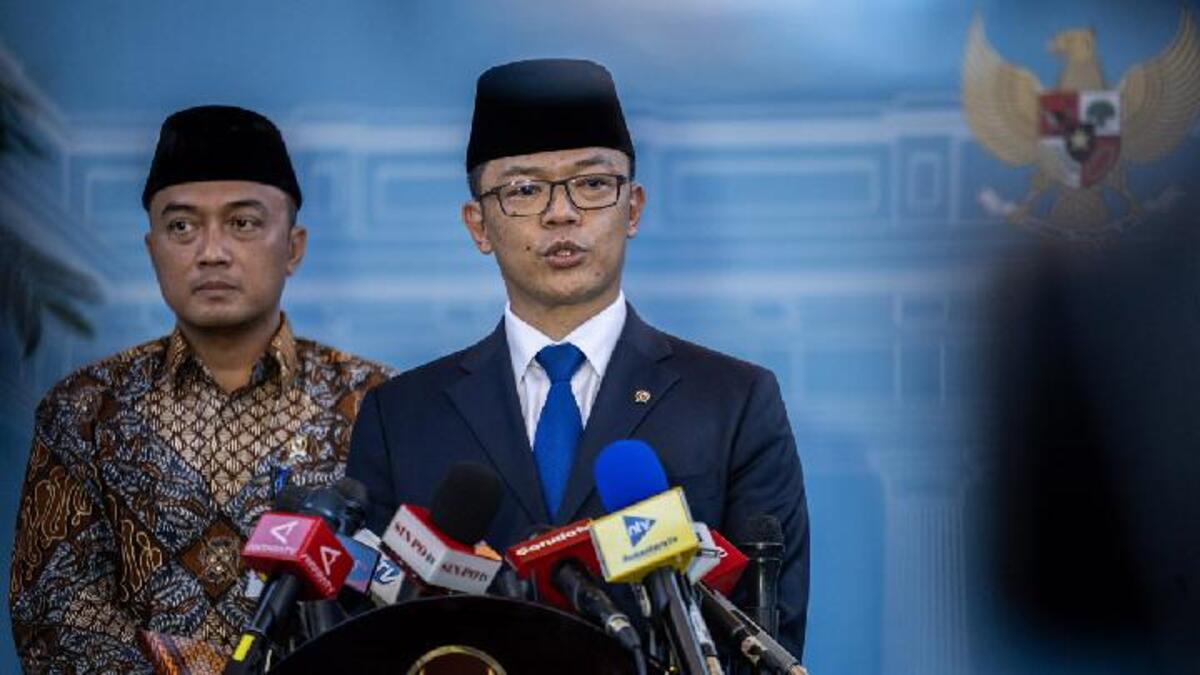
Responding to the findings, Minister of State Secretary Prasetyo Hadi said the government respected the diversity of opinions within society, while stressing that the debate over the future of local elections remained open.
“We respect all of those opinions. Of course, there are both pros and cons,” Prasetyo told reporters at the State Palace in Jakarta on Thursday, 8 January 2026. “There is no problem with differences of view. We will continue to observe how this discourse develops in society.”
His comments came after the Indonesian Survey Circle LSI Denny JA released research indicating that a clear majority of Indonesians reject the proposal to shift regional elections from direct public voting to selection by DPRDs.
Survey shows broad rejection
According to LSI Denny JA, 68 per cent of respondents opposed indirect regional elections, while fewer than one-third expressed support. The survey was conducted between 10 and 19 October 2025, involving 1,200 respondents across the country using multi-stage random sampling. With a margin of error of 2.9 per cent, the poll is considered statistically representative of Indonesia’s electorate, which numbers more than 200 million eligible voters.
LSI Denny JA Director Ardian Sopa said the findings should be taken seriously. “When rejection exceeds 60 per cent, the impact is already systemic,” he said, adding that the data confirmed a strong and consistent public refusal to return to DPRD-based elections.
The results echoed earlier findings from Kompas Research and Development, which in January 2025 recorded even higher levels of opposition. At that time, more than 80 per cent of respondents favoured maintaining direct elections for governors, regents and mayors.
Government and party stance
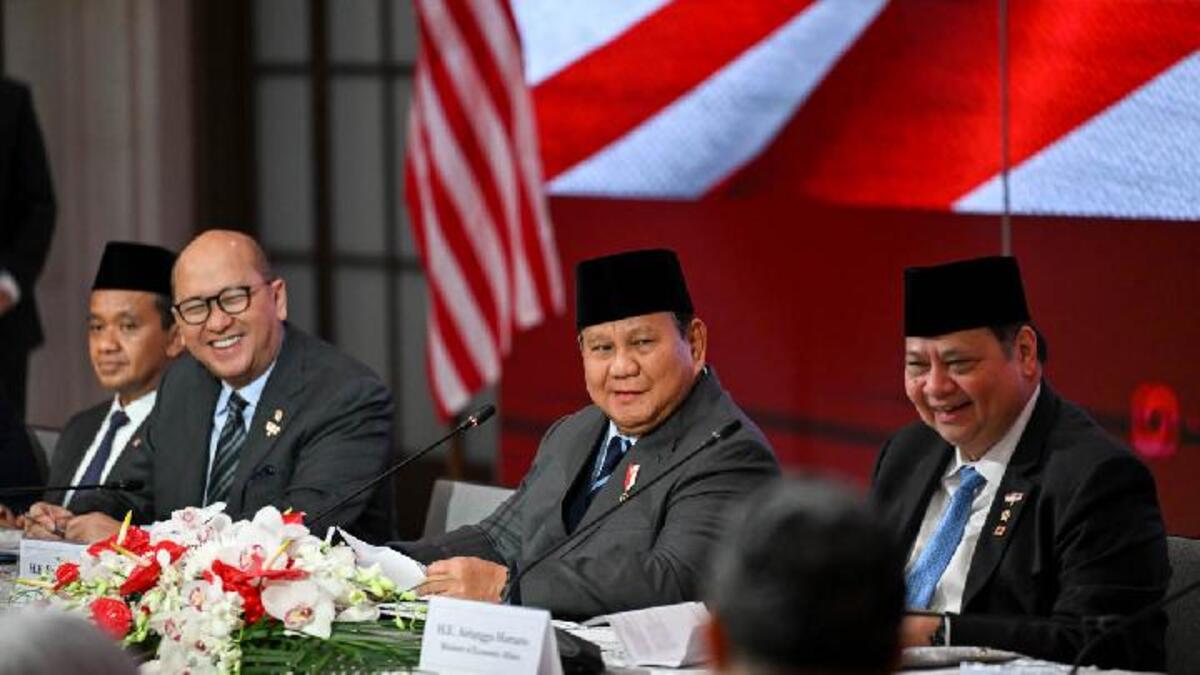
Despite the surveys, the proposal has gained traction among political elites. Prasetyo, a senior politician from the ruling Gerindra Party, reiterated that his party has long supported indirect regional elections. He noted that President Prabowo Subianto had endorsed the idea even before assuming office.
Gerindra and several coalition parties argue that direct local elections are excessively costly and vulnerable to money politics and political dynasties. Party officials frequently cite ballooning election budgets — from around Rp 7 trillion in 2015 to more than Rp 37 trillion in 2024 — as evidence that reform is needed.
From the government’s perspective, Prasetyo said, the issue should not be framed as a binary conflict between democracy and efficiency. Instead, he suggested that all options should be discussed calmly and rationally. “We should not immediately assume negative intentions. What matters is the substance of the policy and the conditions under which it would be implemented,” he said.
Why the public remains sceptical
For many Indonesians, however, the proposal revives uncomfortable memories of the period before direct local elections were introduced in the mid-2000s. Under the old system, regional heads were elected by DPRDs, a process widely associated with opaque bargaining, vote-buying and elite capture.
Media investigations from the early Reformasi era documented widespread transactional politics, with candidates reportedly paying large sums to secure the support of councillors. These practices left a lasting imprint on public consciousness and continue to shape attitudes today.
LSI Denny JA’s survey found that opposition was strongest among younger voters. Around 84 per cent of Generation Z respondents rejected the proposal, followed by 71.4 per cent of Millennials.
Researchers attribute this to two main factors: a generation accustomed to voting directly for local leaders, and deep distrust of legislative institutions, which consistently rank low in public trust surveys.
“People have become used to choosing their leaders directly over the past two decades,” Ardian Sopa said. “There is also lingering scepticism about DPRDs, which are often associated with transactional politics and corruption.”
Political fault lines
Within parliament, support for indirect elections has expanded. Parties such as Golkar, Gerindra, PKB, NasDem and the Democratic Party have expressed varying degrees of support, arguing that the Constitution allows for different models of democratic representation at the regional level.
By contrast, the Indonesian Democratic Party of Struggle (PDIP) has firmly rejected the proposal, insisting that the right to directly elect regional leaders should not be taken away from the public.
“Local leadership is a right of the people that cannot be delegated to a small group of councillors,” PDIP executive Deddy Sitorus said earlier this week, expressing confidence that public opinion would continue to influence the debate.