Indonesia and United States set to sign reciprocal trade accord in Washington
President Prabowo Subianto is set to sign a reciprocal trade agreement with US President Donald Trump in Washington, reducing tariffs and expanding market access between Indonesia and the United States.
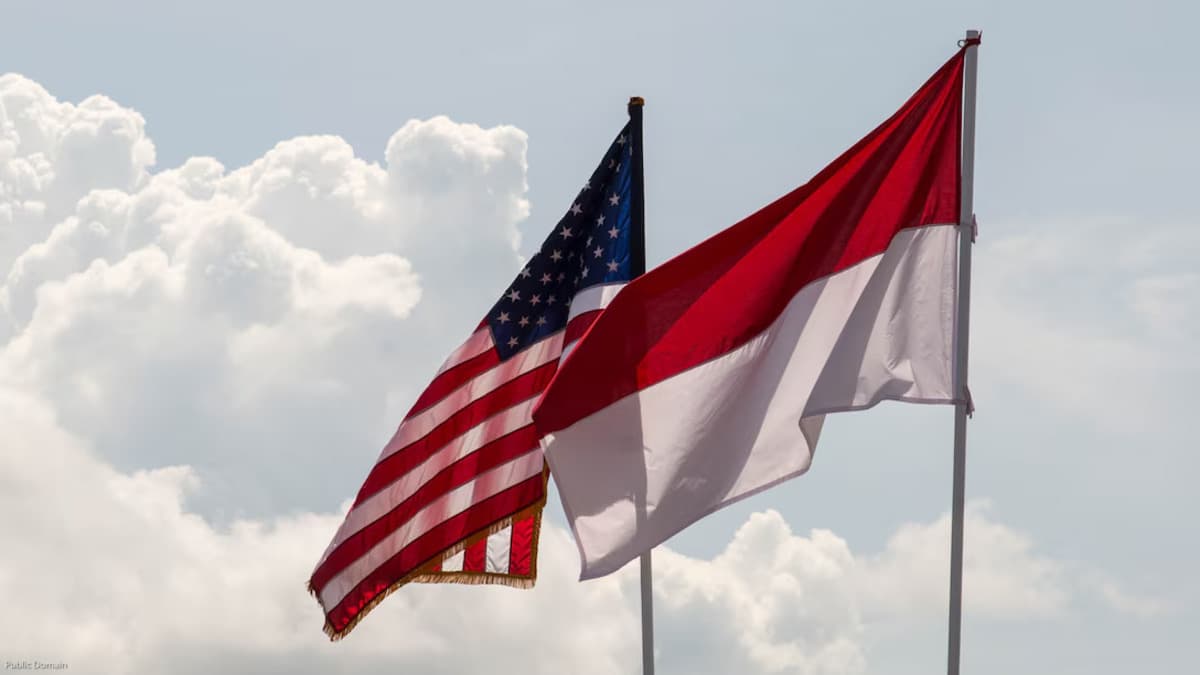
- Indonesia and the United States are expected to sign the Agreement on Reciprocal Trade (ART) on 19 February, 2026, in Washington, DC.
- The US will cut tariffs on Indonesian goods from 32 per cent to 19 per cent, while Indonesia will remove most import duties on US products.
- The accord forms part of Indonesia’s broader strategy to strengthen its position in global supply chains and deepen economic diplomacy.
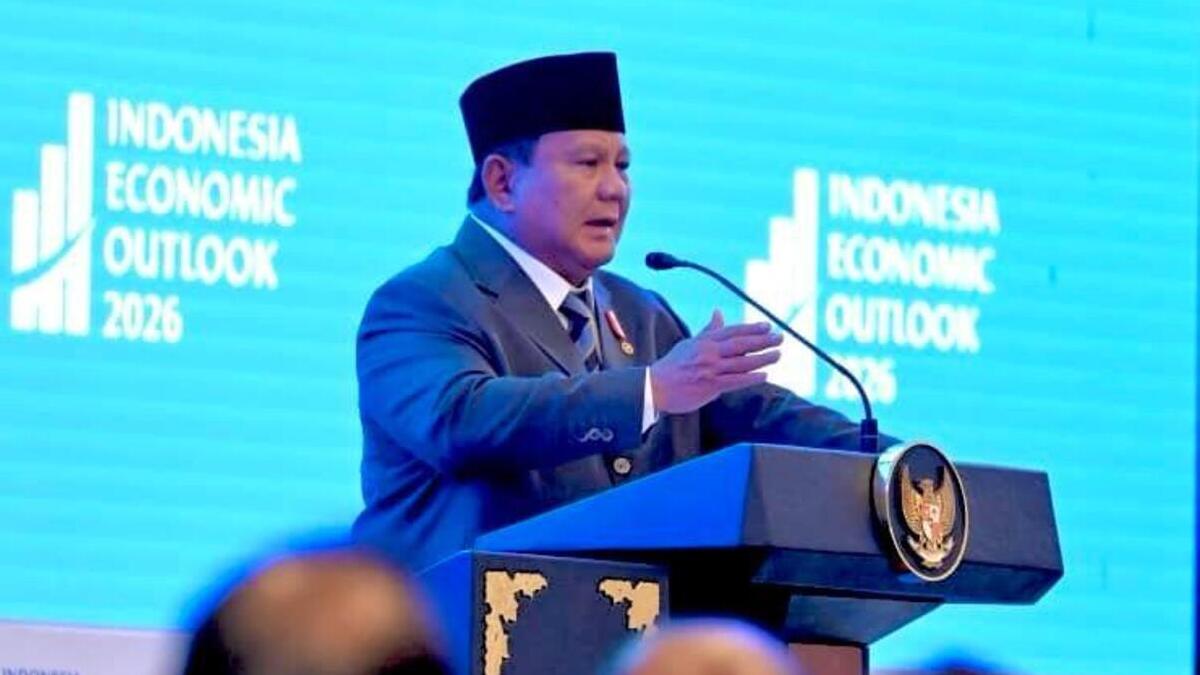
Indonesian President Prabowo Subianto has departed for Washington, DC, on a working visit expected to culminate in the signing of a major bilateral trade accord with United States President Donald Trump, marking a significant development in economic relations between Southeast Asia’s largest economy and Washington.
The agreement, formally known as the Agreement on Reciprocal Trade (ART), is scheduled to be signed around 19 February, coinciding with Prabowo’s attendance at the Board of Peace summit in the US capital. Indonesian officials describe the deal as a breakthrough in ongoing efforts to rebalance trade conditions and widen market access between the two nations.
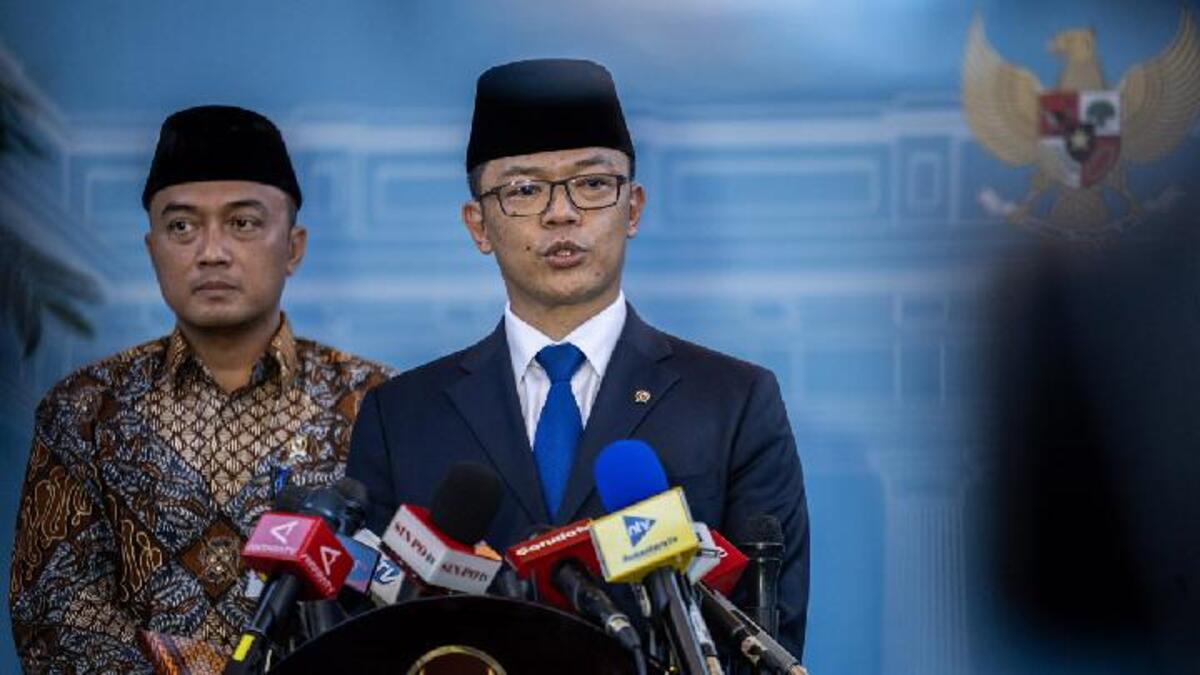
Government spokesperson Haryo Limanseto said substantive negotiation points have already been finalised, with legal drafting now in its final stage.
Under the ART framework, Indonesia has agreed to eliminate import duties on most products originating from the United States. In exchange, Washington will reduce tariffs imposed on Indonesian goods from 32 per cent to 19 per cent.
In addition, the US has agreed to grant tariff exemptions for several Indonesian export commodities, including crude palm oil, coffee and cocoa, particularly for goods not produced domestically in the United States.
Final Stage of Negotiations
The substance of the agreement was reached following meetings between Indonesia’s Coordinating Minister for Economic Affairs, Airlangga Hartarto, and US Trade Representative Jamieson Greer in Washington in December 2025. Officials say negotiations, which began in April last year, required months of technical discussions covering tariff structures, market access and sectoral protections.
Airlangga recently confirmed that negotiations are complete, with the agreement awaiting signatures from both heads of state. After signing, both governments must submit the accord to their respective legislatures for approval.
Despite the progress, officials noted that coordinating schedules between two presidents remains complex. State Secretary Minister Prasetyo Hadi acknowledged that arranging a meeting between leaders is never straightforward, although both governments are working to ensure the agreement is formally sealed during Prabowo’s visit.
Economic Diplomacy Drive
Prabowo’s Washington trip forms part of a broader diplomatic push aimed at strengthening Indonesia’s position within global supply chains amid rising geopolitical competition and shifting trade alliances.
According to Indonesia’s Cabinet Secretariat, the president is accompanied by Energy and Mineral Resources Minister Bahlil Lahadalia and Cabinet Secretary Teddy Indra Wijaya, travelling with a limited delegation aboard a Garuda Indonesia flight that departed Jakarta on 16 February.
View this post on Instagram
During the visit, Prabowo is also expected to attend business and investment forums bringing together Indonesian and American entrepreneurs, with hopes of translating improved tariff conditions into concrete investments.
Shinta Kamdani, chairwoman of the Indonesian Employers Association (Apindo), said business leaders are optimistic that negotiations will produce tangible benefits, particularly for labour-intensive industries vulnerable to higher export costs.
“We hope the outcomes will be positive, especially regarding tariffs. Labour-intensive sectors need more favourable treatment to remain competitive,” she said after preparatory meetings with government officials last week.
Domestic Preparations and Policy Direction
Ahead of his departure, Prabowo convened a strategic meeting with key economic ministers at his residence in Hambalang, West Java, to consolidate Indonesia’s negotiation stance.
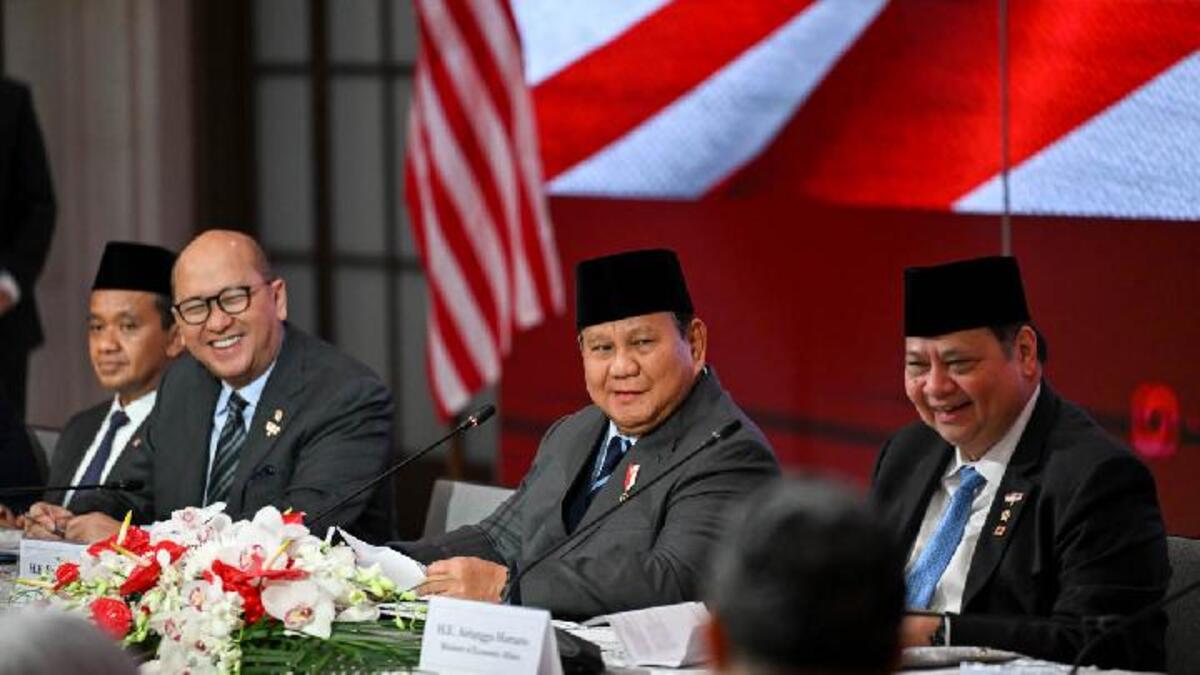
Among those attending were Coordinating Minister Airlangga Hartarto, Finance Minister Purbaya Yudhi Sadewa, Investment and Industrial Estates Minister Rosan Roeslani, and State Secretary Minister Prasetyo Hadi.
According to Cabinet Secretary Teddy Indra Wijaya, the president stressed that all economic negotiations must translate into tangible benefits for Indonesians, including job creation and higher domestic industrial productivity.
Prabowo instructed ministers to maintain a strong bargaining position while safeguarding national interests, ensuring trade concessions do not undermine domestic industries.
Officials said the president also emphasised the need for negotiations to strengthen Indonesia’s industrial base and deepen its participation in global supply chains.
Broader Diplomatic Engagement
In addition to trade discussions, Prabowo’s visit includes participation in the Board of Peace summit, a forum initiated by the US administration aimed at addressing global conflict issues, including ongoing tensions in Gaza.
Indonesian officials view participation in the summit as part of Jakarta’s broader diplomatic engagement, positioning the country as an active player in global peace and economic diplomacy.