Indonesian activist given suspended jail term over protest posts as concerns grow over free speech crackdown
A South Jakarta court handed Laras Faizati Khairunnisa a suspended six-month sentence over protest-related Instagram posts, in a case highlighting Indonesia’s widening crackdown on political expression.
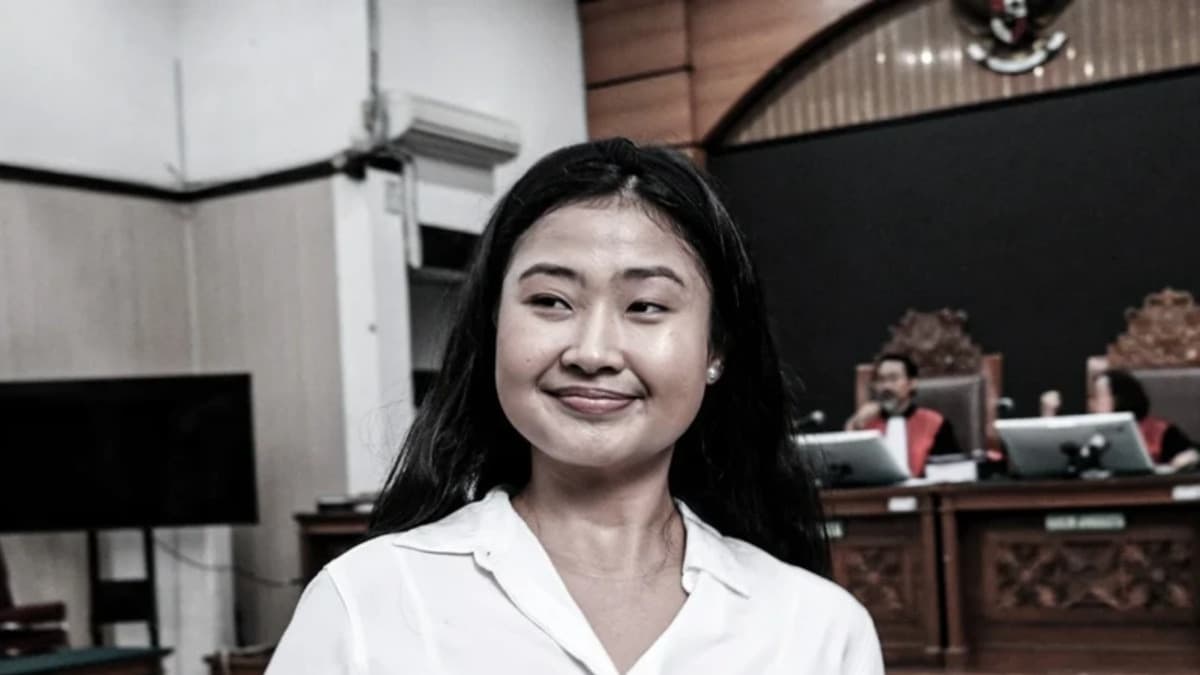
- The South Jakarta District Court sentenced Laras Faizati Khairunnisa to six months’ imprisonment, suspended for one year.
- Judges found her guilty of incitement under Article 161 of the Criminal Code over Instagram posts made during 2025 protests.
- The case has drawn attention as part of Indonesia’s broader crackdown on political expression following mass demonstrations.
A panel of judges at the South Jakarta District Court on Thursday, 15 January, sentenced Laras Faizati Khairunnisa to six months’ imprisonment, suspended for one year, in a case that has become emblematic of Indonesia’s widening crackdown on political expression following mass protests last year.
The ruling means Laras will not serve time in prison unless she commits another criminal offence during the one-year probationary period. The judges also ordered her immediate release from detention.
“Sentencing the defendant to a term of imprisonment of six months, and ordering that the sentence need not be served, on the general condition that the defendant does not commit another criminal offence during the one-year probationary period,” presiding judge I Ketut Darpawan said as he read out the verdict.
The panel found Laras guilty of publicly disseminating writings that incite the commission of a criminal act, as stipulated under Article 161 paragraph (1) of the Criminal Code. The sentence was lighter than the one-year prison term sought by prosecutors.
Origins of the case
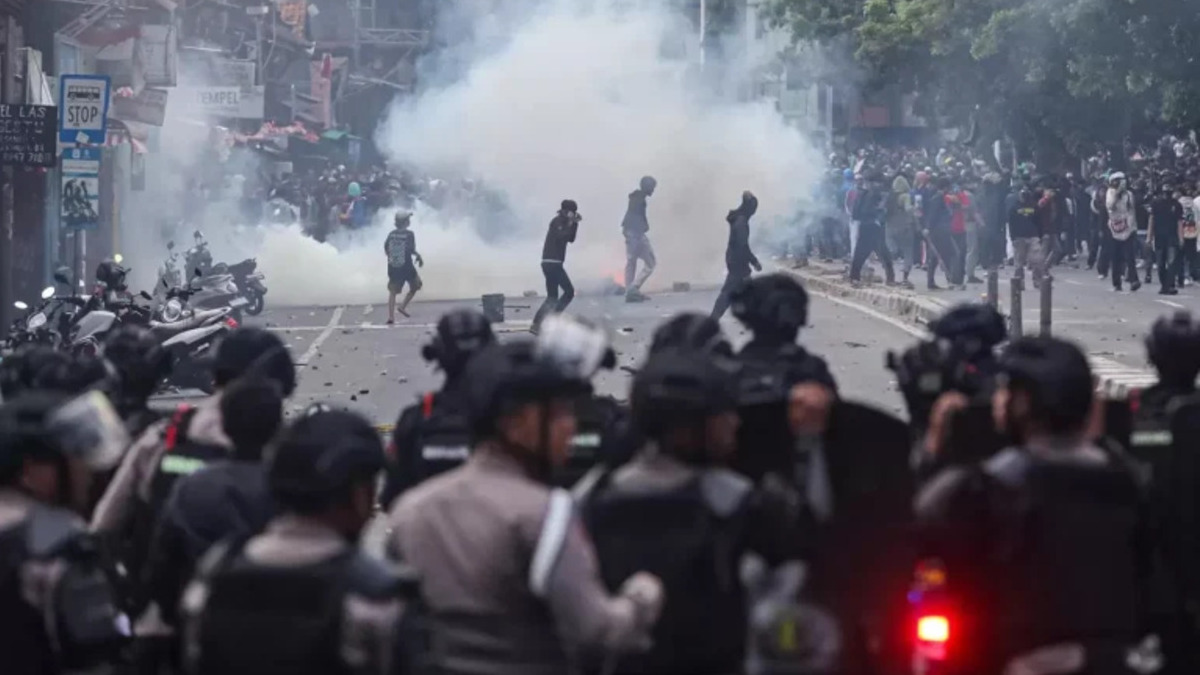
The case stems from a wave of nationwide demonstrations in late August and early September 2025, when thousands gathered outside the House of Representatives (DPR) building in Jakarta to protest lawmakers’ salaries, housing benefits, and political privilege amid economic hardship.
Tensions escalated sharply on 28 August 2025, when an online motorcycle taxi driver, Affan Kurniawan, was fatally struck by a police tactical vehicle during crowd-control operations.
Videos of the incident circulated widely online, triggering public anger and grief.
In the hours and days that followed, social media became a key space for expressions of outrage.
Laras, then working as a communications officer at the ASEAN Inter-Parliamentary Assembly (AIPA), uploaded four Instagram Stories on 29 August 2025.
The posts included reposted footage of the incident, photos of Affan, and captions sharply criticising police conduct.
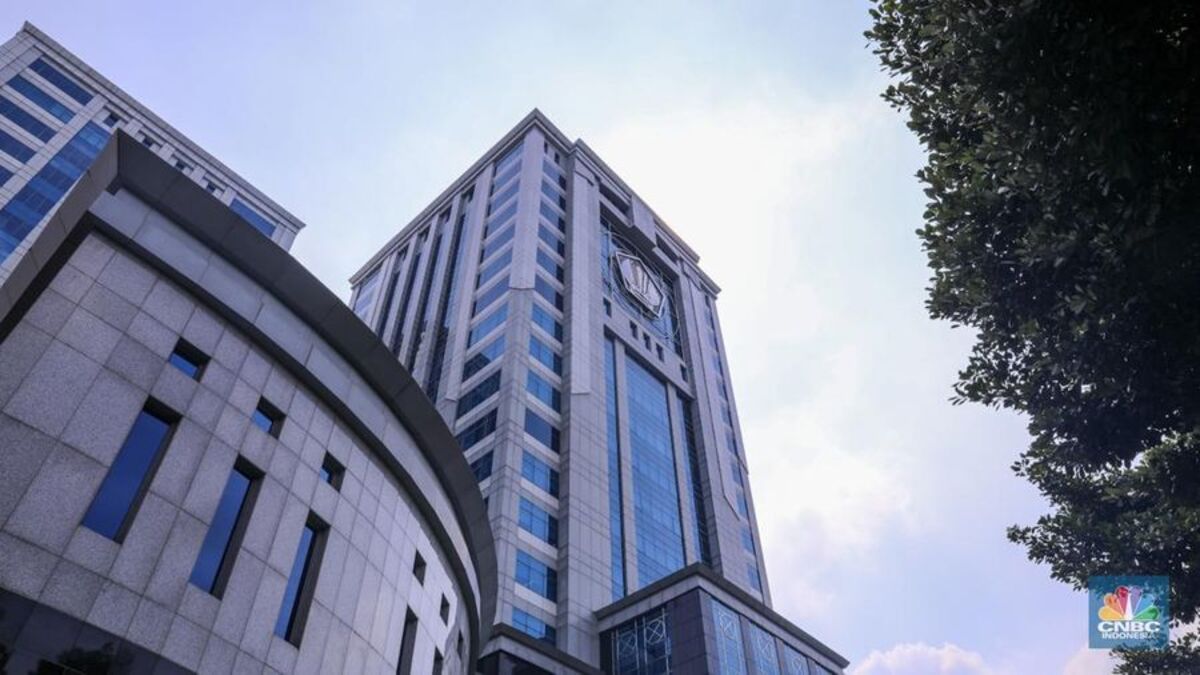
One post showed Laras pointing towards the National Police Headquarters building from her office window, accompanied by a caption calling for the building to be burned down.
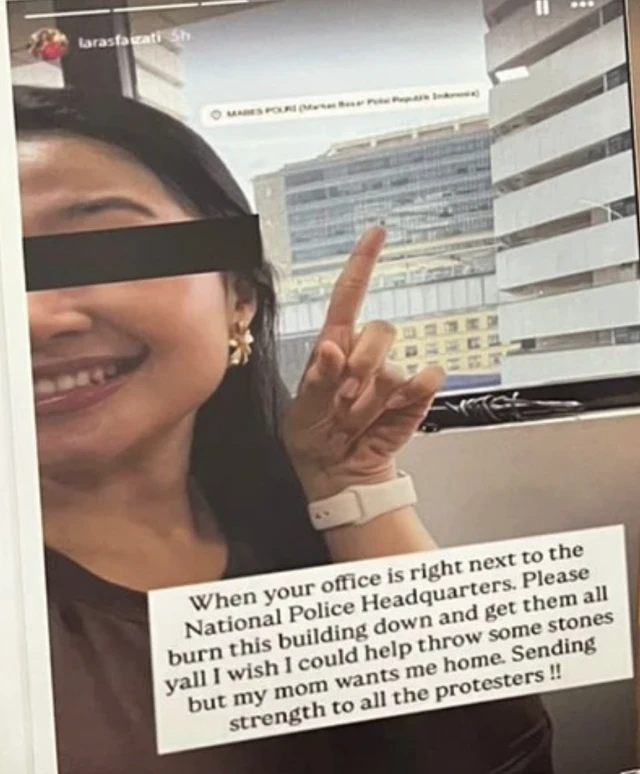
Although the Stories were viewed only by dozens of people, three individuals reported the content to the police on the same day.
On 1 September 2025, Laras was arrested by officers from the cybercrime unit of the Indonesian National Police (Polri).
Her legal team later described the arrest as irregular, saying she was named a suspect within hours of the report being filed, without first being summoned for clarification.
Charges and trial
Prosecutors initially brought four alternative charges against Laras, including provisions under the Electronic Information and Transactions (ITE) Law and Articles 160 and 161 of the Criminal Code. During the trial, the prosecution focused on Article 161, arguing that Laras’s posts constituted incitement to commit violence against public authorities.
In its ruling, the court agreed that the elements of incitement had been fulfilled, holding that calls to burn down government buildings could not be categorised as legitimate criticism.
However, the judges departed from the prosecution’s sentencing demand. They noted that Laras had not taken concrete steps to organise or mobilise others to carry out violence, and that no acts of arson or attacks followed her posts. The panel also cited her lack of prior convictions, her role as a family breadwinner, and her potential for rehabilitation.
On this basis, the court opted for supervised probation rather than imprisonment, emphasising educational and corrective objectives.
Personal consequences
During the proceedings, Laras described harsh detention conditions, including overcrowded cells, limited access to healthcare, expired medication, and verbal abuse by investigators. She also lost her job following her arrest and said her family faced severe economic strain during her detention.
Speaking after the verdict, Laras said she felt relief at being released but stressed that justice had not been fully realised.
“I am fighting not only for myself, but for young people, women who speak out, and a society that longs for justice,” she said.
Both prosecutors and the defence said they would consider whether to appeal the decision.