Indonesian civil society warns against draft rule expanding military role in counterterrorism
Indonesian civil society groups have urged the government to withdraw a draft presidential regulation expanding the military’s role in counterterrorism, warning it risks undermining democracy, civilian oversight and human rights.
- Indonesian civil society groups warn a draft presidential regulation expanding the TNI’s counterterrorism role threatens democracy and human rights.
- The coalition argues the draft is unconstitutional, overly vague, and sidelines civilian institutions.
- The government says the regulation is still preliminary, but has not detailed safeguards or accountability mechanisms.
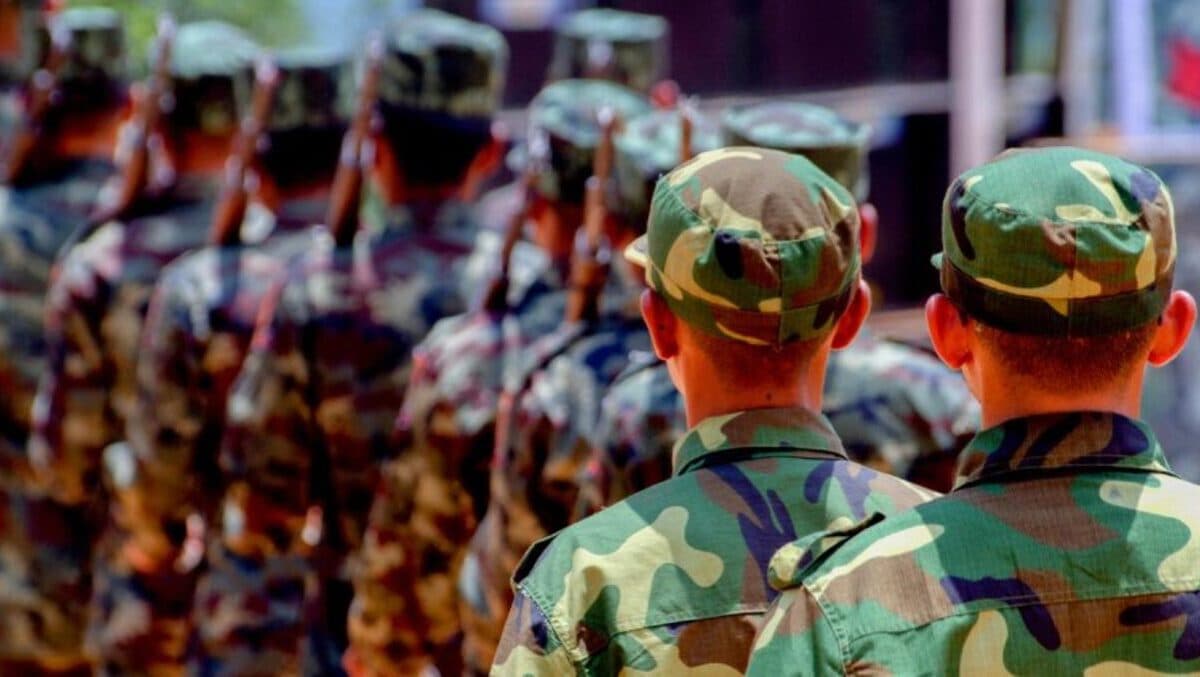
INDONESIA: A broad alliance of Indonesian civil society organisations, grouped under the Koalisi Masyarakat Sipil (Civil Society Coalition), has raised alarm over a draft presidential regulation that would expand the role of the Indonesian National Armed Forces (TNI) in counterterrorism, warning that it could undermine democracy, human rights and the rule of law.
In a press release issued on 7 January 2026, the coalition — which includes human rights, legal and environmental groups — said the draft regulation is both formally flawed and substantively dangerous.
The regulation is currently circulating publicly and is expected to be consulted with the House of Representatives (DPR) before any formal adoption.
The draft regulation is intended to implement Article 43I of Law No. 5 of 2018, Indonesia’s revised anti-terrorism law, which allows for military involvement in counterterrorism following consultation with parliament.
However, the coalition argues that the mechanism chosen by the government is unconstitutional.
Legal basis questioned
Formally, the coalition contends that regulating the TNI’s domestic security role through a presidential regulation contradicts higher legal norms. They point to the People’s Consultative Assembly (MPR) Decree No. VII of 2000, which explicitly requires that any military assistance in security affairs be governed by law, not executive regulation — a principle reiterated in the TNI Law.
“Placing such sweeping authority in a presidential regulation is legally erroneous and weakens civilian oversight of the military,” the coalition said.
Broad and vague powers
Beyond legal technicalities, the coalition’s main concern lies in the substance of the draft. The regulation assigns the TNI three functions in counterterrorism: deterrence, enforcement and recovery. Civil society groups warn that these categories are defined too broadly, particularly the deterrence function, which includes intelligence, territorial and information operations, as well as unspecified “other operations”.
According to the coalition, this vague wording creates wide latitude for interpretation and opens the door to abuse, including the use of counterterrorism powers against political opponents or critical civil society groups.
Political context raises fears
The warning comes amid heightened political sensitivity.
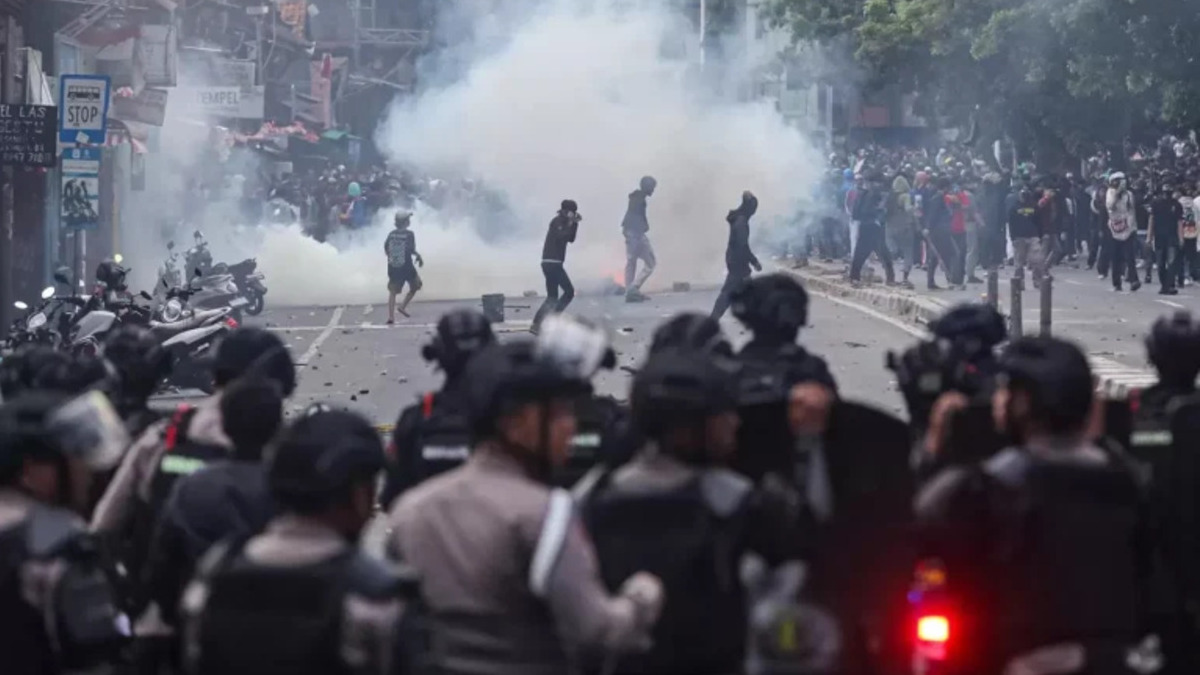
The coalition noted President Prabowo Subianto’s statement in August 2025 in which he described student protest groups as terrorist elements.
In this context, the coalition argues, the draft regulation risks legitimising the labelling of dissent as terrorism and fostering a climate of fear.
“This draft reinforces the expansion of state power to suppress criticism under the pretext of security,” the statement said.
Civilian institutions sidelined
The coalition also criticised the draft for assigning roles that should remain with civilian bodies.
Under Indonesia’s anti-terrorism framework, prevention is coordinated by the National Counterterrorism Agency (BNPT) alongside relevant ministries and agencies. The law does not recognise “deterrence” as a separate function.
Granting preventive or deterrent authority to the TNI, the coalition argued, would overlap with civilian mandates and contradict the military’s primary role as a defence force rather than a law enforcement agency.
Accountability gaps
A further concern relates to accountability. Military justice reform — mandated by law and long demanded by civil society — remains incomplete.
Without clear provisions subjecting soldiers to civilian courts, the coalition warned, any human rights violations committed during domestic counterterrorism operations would be difficult to prosecute.
“Expanding military authority without fixing accountability mechanisms is a dangerous blank cheque,” the coalition said.
Government response
The government has sought to play down the controversy, stressing that the regulation is still at a preliminary stage and remains open to discussion.
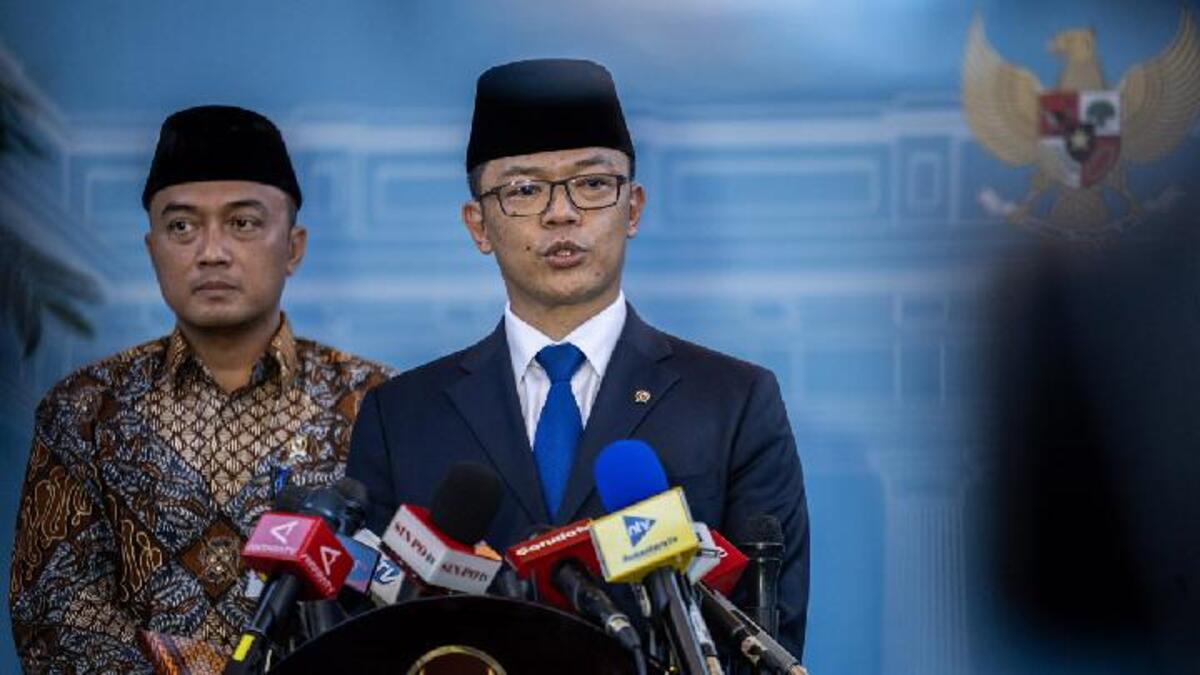
Minister of State Secretary Prasetyo Hadi said the draft should not be interpreted as an automatic expansion of the TNI’s authority, emphasising that it has not yet been finalised or enacted.
Speaking at the Presidential Palace on Thursday, Prasetyo urged the public and civil society groups not to view the draft through a lens of suspicion or worst-case assumptions. He argued that every policy is formulated on the basis of necessity and is intended to respond to specific conditions faced by the state.
“No—why is it that the way of thinking always goes, ‘this will lead to that later?’ It’s the substance that matters,” he said. According to Prasetyo, if adopted, the regulation would apply only under certain circumstances and would not automatically grant the military unrestricted powers.
He also stressed that consultation with the DPR is a mandatory step, signalling that parliamentary oversight would still play a role in shaping the final outcome.
However, Prasetyo did not provide details on how safeguards for human rights or civilian control would be incorporated into the regulation, nor did he address calls for clearer accountability mechanisms for the TNI should abuses occur.
Calls for rejection
Despite these assurances, the Civil Society Coalition has urged all factions in the DPR to reject the draft regulation and called on President Prabowo to withdraw and reconsider it.
According to the coalition, counterterrorism within Indonesia must remain firmly within the criminal justice system and under civilian control.
For civil society groups, the issue is emblematic of a broader struggle over democratic reform. “Security policies must not come at the cost of constitutional principles,” the coalition said, warning that once expanded, military powers in domestic affairs would be difficult to roll back.