Rare corpse flower set to bloom at Bogor Botanical Gardens for first time since 2014
A rare giant corpse flower is expected to bloom at Bogor Botanical Gardens on 3 February 2026, the first since 2014, offering a brief glimpse of one of the world’s most unusual plants.
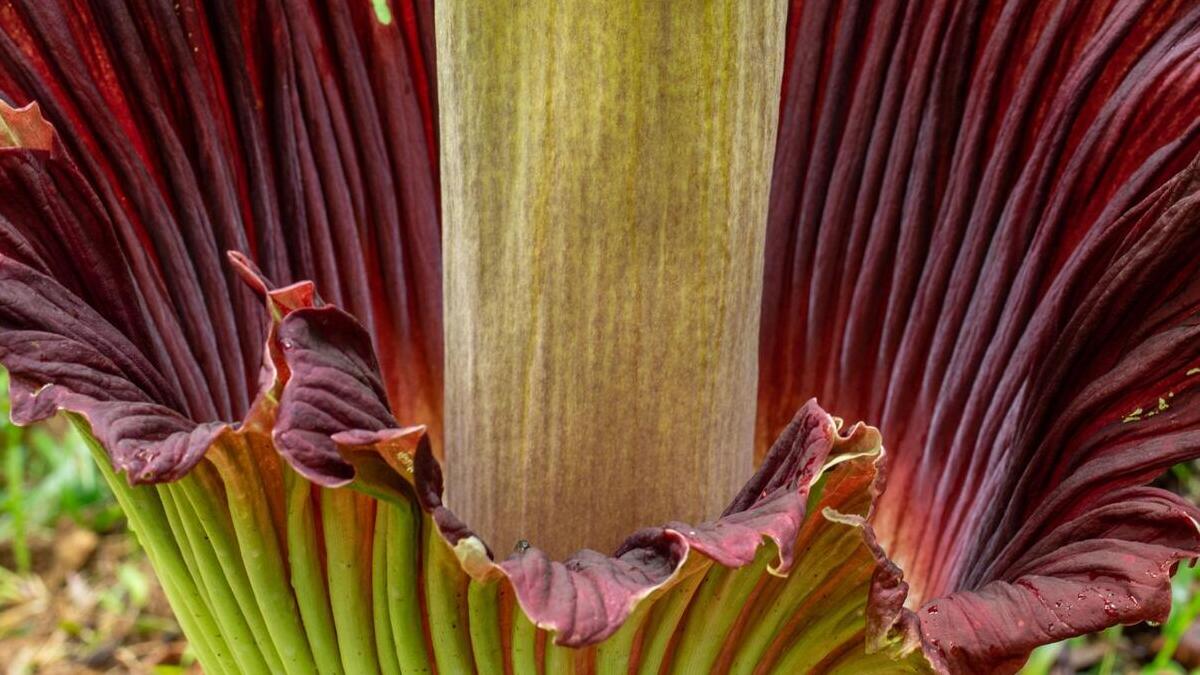
- A giant corpse flower is expected to bloom at Bogor Botanical Gardens on 3 February 2026, the first since 2014.
- The endangered titan arum flowers unpredictably and for only a few days, making the event exceptionally rare.
- Scientists and conservationists say the bloom highlights Indonesia’s biodiversity and conservation challenges.
One of the world’s rarest and most spectacular flowering events is expected to unfold this week as a giant corpse flower (Amorphophallus titanum) prepares to bloom at Bogor Botanical Gardens, drawing attention from scientists, conservationists and plant enthusiasts across Indonesia and beyond.
According to officials, the endangered plant is predicted to reach full bloom on Tuesday, 3 February 2026, marking the first time the species has flowered at the gardens since 2014. Because titan arum blooms are unpredictable and extremely brief, the event presents a rare opportunity for the public to witness one of nature’s most unusual botanical phenomena.
A Rare and Fleeting Spectacle
During a visit to the gardens on 31 January, Head of Indonesia’s National Research and Innovation Agency, National Research and Innovation Agency (BRIN), Arif Satria, confirmed the flower’s rapid development.
At the time, the plant had reached about 1.2 metres in height, with a bud diameter measuring roughly 21 centimetres.
“If we look at its flowering pattern, it remains irregular, so researchers continue trying to understand how it works,” Arif said in a statement issued on 2 February.
“Sometimes it blooms every three years, sometimes every two years, and in this case the last occurrence here was in 2014.”
Scientists note that the titan arum may require five to ten years to accumulate enough energy before producing a bloom. Even then, the flowering phase lasts only between two and seven days, making successful viewing highly dependent on timing.
Why the Flower Is So Famous
Native to the rainforests of Sumatra, the titan arum produces one of the largest inflorescences in the plant kingdom, capable of growing two to three metres tall in ideal conditions.
Its popular nickname, “corpse flower,” comes from the powerful odour released at peak bloom. The scent, often compared to rotting flesh, plays a biological role by attracting pollinating insects such as flies and carrion beetles.
Despite its striking appearance, the species is under threat in the wild due to habitat loss and deforestation. The International Union for Conservation of Nature, International Union for Conservation of Nature (IUCN), classifies Amorphophallus titanum as Endangered.
Conservation and Education Opportunity
According to Arif, the bloom represents more than a botanical curiosity; it serves as an opportunity to raise awareness about Indonesia’s extraordinary biodiversity.
“It is important, especially for children, to witness moments like this so they understand how rich Indonesia’s biodiversity is,” he said.
The Bogor Botanical Gardens, established during the colonial era and now serving as one of Southeast Asia’s leading plant research centres, have cultivated corpse flower species since 1992. At least nine related species are currently maintained there for research and conservation purposes.
Arif expressed hope that the gardens will continue to function not only as a research and plant collection facility but also as a centre for conservation education presented through educational tourism.
“This is an excellent place to learn about plants, trees and rare species. These plants must be conserved, and botanical gardens are part of the government’s programme to preserve them,” he said.
Biodiversity as National Identity
Indonesia is recognised as one of the world’s most biologically diverse nations, containing vast numbers of endemic species spread across its thousands of islands. Yet conservationists warn that habitat destruction, land conversion and climate change increasingly threaten this natural wealth.
Arif stressed that Indonesia must demonstrate its ability to protect and sustainably manage its biodiversity.
“Indonesia possesses extraordinary biological diversity, and we must truly protect it,” he said. “Our ability to preserve this wealth will determine how Indonesia is viewed globally — whether we can properly care for and manage the natural riches we possess.”
Surge of Public Interest Expected
Past titan arum blooms at the Bogor Botanical Gardens have attracted large crowds, often resulting in extended opening hours to accommodate visitors eager to witness the brief flowering period.
Garden officials anticipate similar public interest this week and are preparing visitor management measures to handle increased attendance.