Indonesia scraps early closure of Cirebon-1 coal plant, drawing criticism over energy transition credibility
Indonesia has cancelled plans to retire the Cirebon-1 coal plant early, drawing criticism from WALHI, which says the move undermines the energy transition, prolongs pollution and exposes a lack of transparency in climate policy.
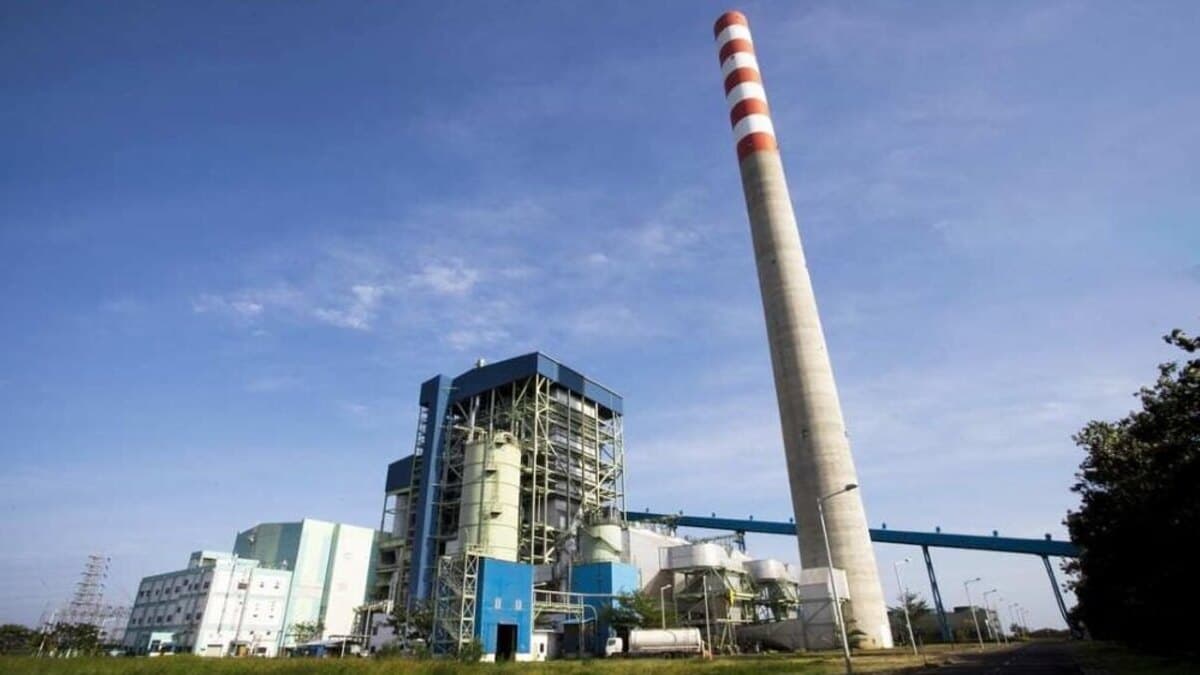
- Indonesia has cancelled plans to retire the Cirebon-1 coal-fired power plant early, reversing a flagship energy transition pilot.
- WALHI says the move prolongs pollution, undermines climate credibility and shows a lack of transparency in decision-making.
- The reversal raises doubts about Indonesia’s broader coal phase-out strategy and “just transition” commitments.
Indonesia’s decision to cancel the planned early retirement of the Cirebon-1 coal-fired power plant has drawn sharp criticism from environmental groups, who say the move undermines the country’s energy transition, prolongs pollution, and exposes a lack of transparency in national climate policy.
In a press release issued on 29 January 2026, the Indonesian Forum for the Environment (WALHI) West Java condemned the reversal as evidence that Indonesia’s transition away from coal remains “trapped in a crisis of commitment, a crisis of transparency, and a disregard for public health”.
Cirebon-1, a 660-megawatt plant on the north coast of West Java, had previously been presented as a flagship pilot project for early coal retirement. Its closure had been agreed under an innovative international financing scheme designed to accelerate the phase-out of fossil fuels in developing economies.
That plan has now been scrapped.
From pilot project to policy reversal
In December 2023, the Asian Development Bank (ADB), plant owner and operator PT Cirebon Electric Power (CEP), and Indonesia’s sovereign wealth fund INA announced an agreement to shut Cirebon-1 in 2035 instead of its original 2042 end date.
The deal was to be financed through ADB’s Energy Transition Mechanism (ETM), a blended finance programme combining public and private capital to buy down coal assets and retire them early while funding clean energy replacement.
The transaction, expected to cost around US$250–300 million, was hailed internationally as a breakthrough. Indonesia’s finance minister Sri Mulyani Indrawati witnessed the announcement at the COP28 climate summit in Dubai, while ADB president Masatsugu Asakawa called it “an important milestone” that could be replicated across Asia.
Because the plant only began operating in 2012, closing it in 2035 would have cut more than 15 years of future emissions from its expected lifetime.
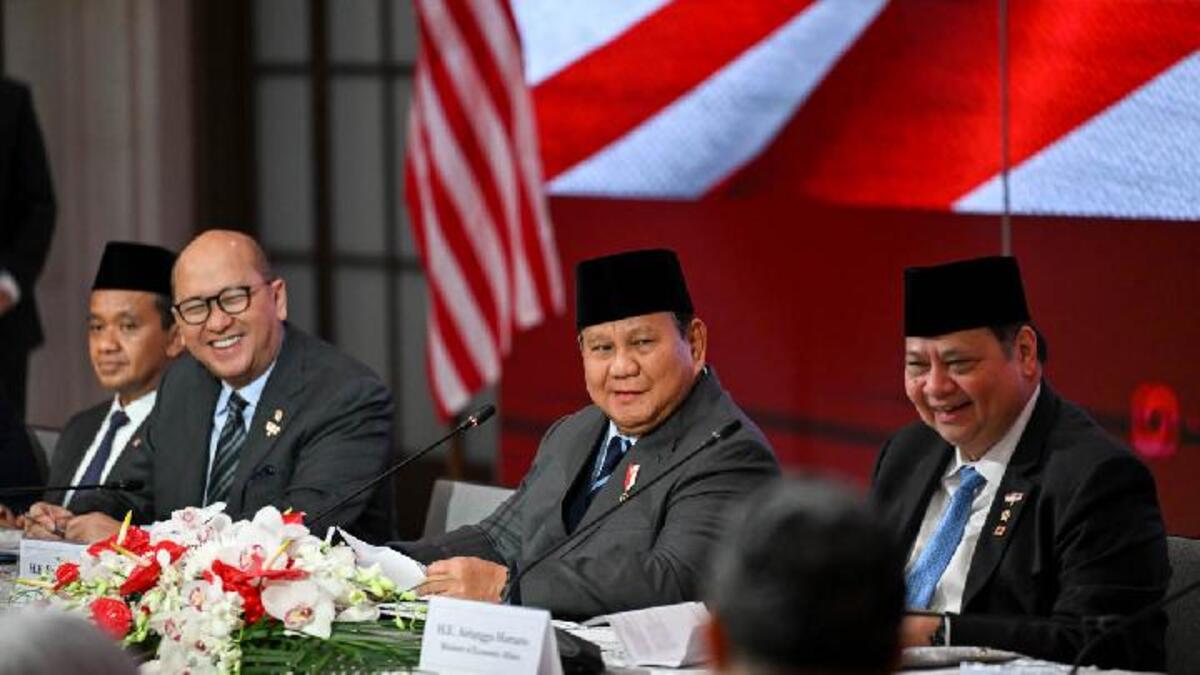
But in December 2025, Coordinating Economic Minister Airlangga Hartarto confirmed that the early closure had been officially cancelled.
He said the plant was relatively modern, using supercritical technology, and still had a long operational life. Instead, the government would search for an older, more polluting coal plant to retire first.
The ETM financing earmarked for Cirebon-1 would be redirected to that yet-to-be-identified replacement.
WALHI: short-term economics over public health
WALHI West Java argues that the decision reflects a narrow focus on short-term financial calculations while ignoring wider social and environmental costs.
Communities around the plant, the group says, already face air pollution, respiratory illness, and coastal environmental degradation. These impacts, along with the economic burden of pollution-related disease and climate-driven disasters, are not factored into official energy planning.
“Economic gains continue to be enjoyed by a small number of parties,” the statement said, while pollution costs are effectively shifted onto the public in violation of the polluter-pays principle.
According to the international “Toxic Twenty” ranking of Indonesian coal plants, the Cirebon complex is the third most harmful in the country in terms of health and environmental impact.
For WALHI, keeping the plant running is therefore not a neutral technical adjustment but “a conscious choice to maintain a major source of pollution amid both a climate crisis and a public health crisis”.
Silence from financiers and operators
The environmental group also criticised the silence of ADB and CEP since the cancellation.
Both institutions had publicly committed to the early retirement. Their lack of explanation, WALHI said, does not remove their responsibility for the environmental and health consequences of continued operation.
At the time of the 2023 agreement, CEP president director Hisahiro Takeuchi described the ETM as an innovative path for coal operators to shift towards clean energy while maintaining reliable electricity supply.
State utility chief Darmawan Prasodjo of PLN (Perusahaan Listrik Negara) said the deal demonstrated Indonesia’s commitment to a fair and affordable transition to net-zero emissions.
WALHI argues that those commitments must still be honoured regardless of subsequent policy changes.
Transparency and a “just transition” questioned
A central complaint is the absence of publicly available data explaining the reversal.
The government has not released the health risk studies, environmental impact updates, or long-term social cost calculations that supposedly justified cancelling the early closure.
The assessments used, WALHI says, are internal to government and PLN and exclude affected residents and civil society from the decision-making process.
Without open data and public participation, the group argues, the transition cannot be considered democratic or just.
A genuine “just transition” should include health protection, environmental recovery, compensation, and livelihood guarantees for surrounding communities, not merely a change in generation technology.
A dangerous precedent for coal phase-out
Environmental advocates warn that cancelling what was meant to be a pilot project exposes how fragile Indonesia’s coal retirement plans are.
Current national electricity planning still positions coal as a primary power source and contains no firm, legally binding timetable for plant closures. Instead of a clear phase-out, policies increasingly rely on extending plant lifetimes.
Indonesia has identified around 175 coal plants for potential early retirement assessment, but no definitive roadmap has been published specifying when individual facilities will shut.
For WALHI, this creates legal and policy uncertainty that favours fossil fuel interests while postponing climate responsibility.
WALHI’s demands
The organisation is calling on ADB to halt all transition-labelled financing unless there is a binding, publicly monitorable coal phase-out pathway.
It demands full disclosure of the cancellation rationale and all underlying studies, an end to purely cost-based decision criteria, and binding coal retirement regulations that prioritise public safety and health.
It also insists that CEP proceed with the previously promised early retirement of Cirebon-1 rather than continuing operation under changed policy conditions.
Without transparency, justice, and enforceable regulation, WALHI concludes, Indonesia’s energy transition risks becoming a rhetorical exercise that prolongs both ecological damage and public health harm instead of ending them.