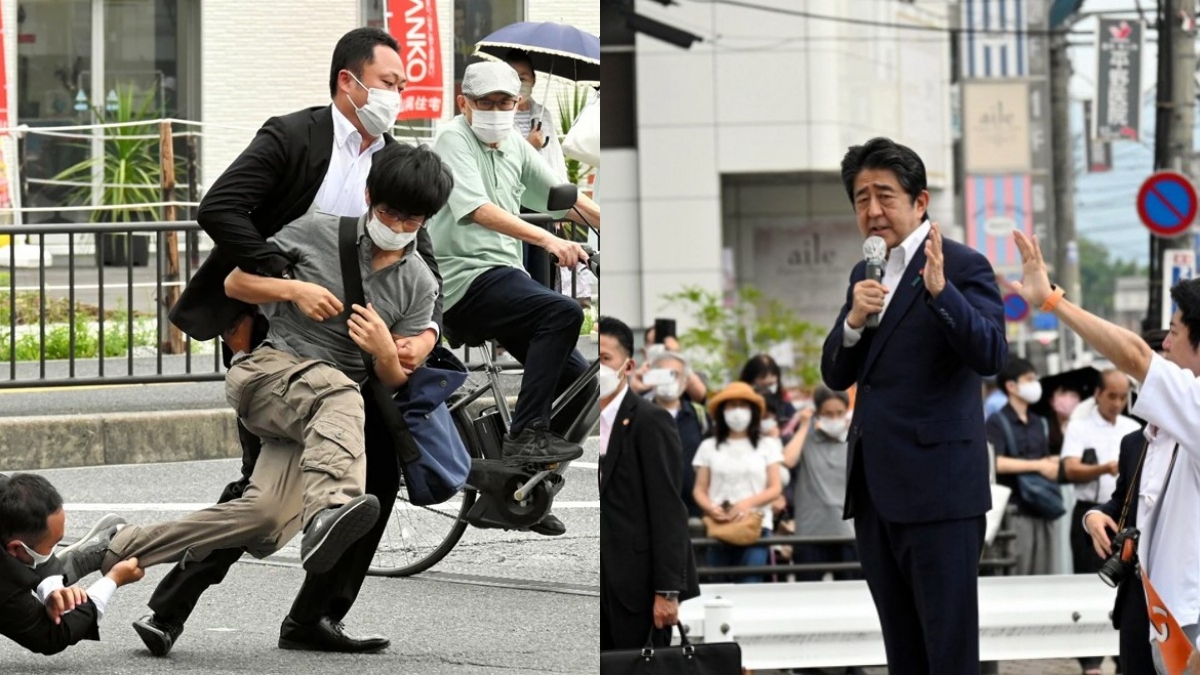
Shooter in Shinzo Abe assassination case files appeal against life sentence
Yamagami Tetsuya, convicted of assassinating former Prime Minister Shinzo Abe, has appealed his life sentence. His legal team claims the original ruling failed to consider the impact of religious abuse on his actions.
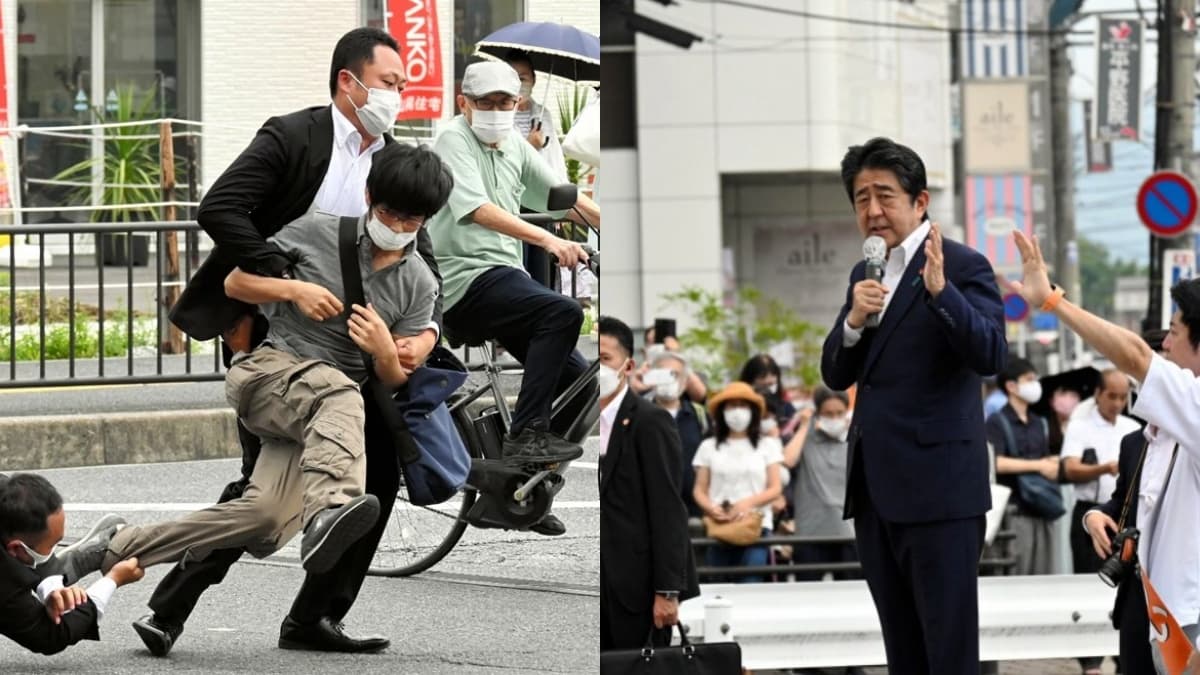
Yamagami Tetsuya, 45, has formally appealed against the life imprisonment sentence issued by the Nara District Court for the murder of former Prime Minister Shinzo Abe in July 2022.
According to local outlets including The Asahi Shimbun on 4 February, Yamagami’s defence attorney stated, “After consulting with the defendant, we have appealed to correct what we believe is an unjust first-instance ruling.”
Yamagami was convicted on 21 January by the Nara District Court, which upheld the prosecution’s demand for life imprisonment. The court described the use of a homemade firearm in a crowded campaign setting as “an extremely dangerous and malicious crime.”
However, Yamagami’s defence has argued that the crime was influenced by his traumatic upbringing and financial hardship linked to his mother’s involvement with the Family Federation for World Peace and Unification (FFWPU), formerly known as the Unification Church.
His legal team sought a sentence of no more than 20 years, claiming that Yamagami was a victim of prolonged religious abuse. They argued that his mother’s substantial donations to the FFWPU severely impacted his education and future prospects.
The court acknowledged that the mother’s religious activities may have shaped Yamagami’s psychological development. Nonetheless, it concluded that the choice to commit murder rather than seek legal redress could not be excused.
On 8 July 2022, Yamagami fatally shot Abe with a homemade firearm while the former leader was delivering a campaign speech in Nara City, Nara Prefecture, ahead of the Upper House elections. The incident shocked the nation and drew international condemnation.
During police interrogations, Yamagami admitted to harbouring resentment towards the Unification Church. He claimed that Abe was targeted due to his perceived affiliation with the group.
The case has since drawn national attention to the influence of religious organisations on politics and family life. It sparked wider scrutiny of politicians’ links to the FFWPU and prompted the government to consider measures to protect individuals from religious exploitation.
Yamagami’s mother reportedly joined the FFWPU during his elementary school years and donated approximately 100 million yen (equivalent to roughly 950 million Korean won or around US$675,000) to the organisation. Part of this sum allegedly came from her late husband’s life insurance payout.
Due to the financial hardship, Yamagami is said to have abandoned plans to enter university and instead joined the Self-Defence Forces, later working in various jobs.
Media reports suggest that the upcoming appeal will likely hinge on whether the higher court gives more weight to the socio-psychological factors underlying the crime. The original court ruling did not extensively explore these elements.
Legal analysts note that the appeal may also revisit the degree of premeditation involved and assess whether the life sentence aligns with Japan’s sentencing norms for such high-profile crimes.