Gunman who killed former Japanese PM Shinzo Abe sentenced to life in prison after landmark trial ruling
The man who assassinated former Prime Minister Shinzo Abe was sentenced to life imprisonment on 21 January 2026, closing a landmark case that shook Japan and exposed deep political and religious links.
- Tetsuya Yamagami was sentenced to life imprisonment on 21 January 2026 for the murder of former Prime Minister Shinzo Abe.
- The court rejected defence arguments for leniency linked to grievances against the Unification Church.
- Abe’s killing reshaped Japanese politics, weakening the Liberal Democratic Party and exposing ties to the church.
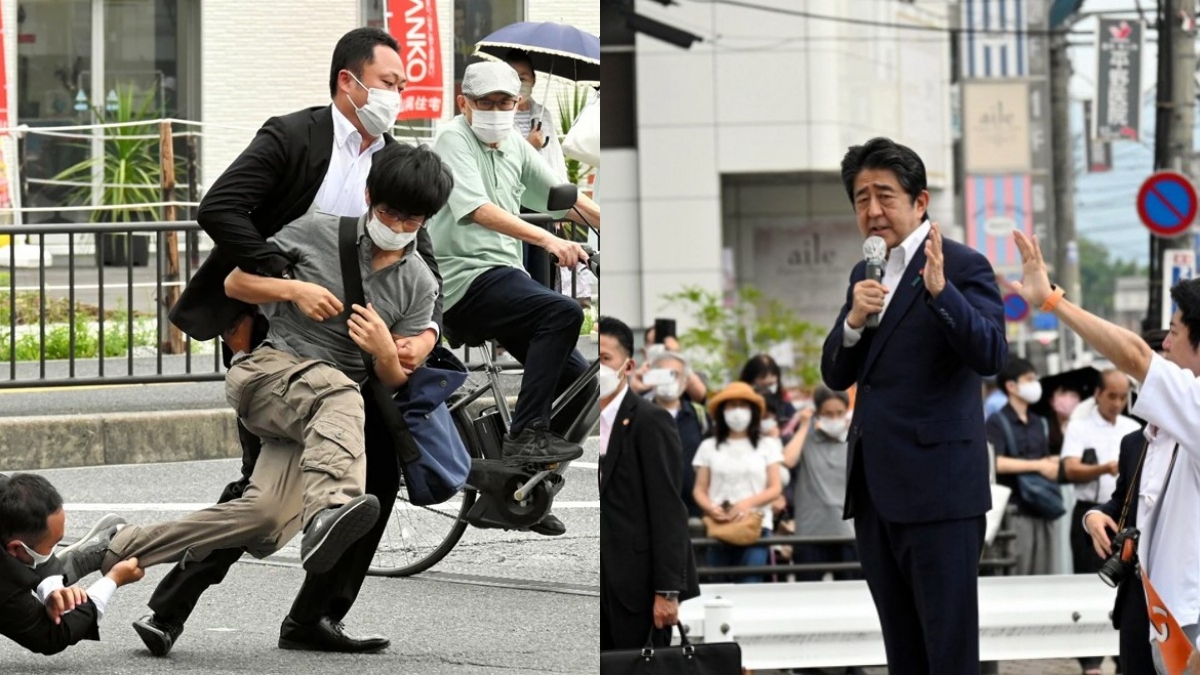
TOKYO, JAPAN: The man charged with killing Japan’s former Prime Minister Shinzo Abe was found guilty and sentenced to life imprisonment on 21 January 2026, more than three years after the assassination shocked the country and the international community.
The sentence was handed down by Judge Shinichi Tanaka at a court in the city of Nara, where Abe was fatally shot while delivering a campaign speech in July 2022.
The defendant, Tetsuya Yamagami, now 45, was arrested at the scene after firing a homemade gun at close range. Abe, who was 67, later died from his injuries.
In delivering the verdict, the court accepted prosecutors’ arguments that the killing constituted an exceptionally serious crime with lasting social and political consequences, according to Japanese media reports.
Yamagami had admitted to killing Abe during the first hearing at the Nara District Court in October 2025, leaving little doubt about the outcome of the trial. The focus of proceedings centred on the severity of the punishment.
Prosecutors formally sought a life sentence in December, describing the assassination as an “extremely grave incident that is unprecedented in post-war history”, according to court statements cited by domestic media.
Defence lawyers argued for leniency, urging the court to impose a maximum sentence of 20 years.
They said Yamagami’s actions were driven by deep personal grievances rather than political ideology.
Media reports quoted Yamagami as telling the court that he harboured resentment towards the Unification Church after his mother made large donations to the organisation, causing severe financial hardship for the family.
He said he targeted Abe because the former prime minister had sent a video message to an event organised by a group affiliated with the church, which Yamagami believed symbolised political support.
The court acknowledged the background presented by the defence but concluded that personal circumstances did not outweigh the gravity of the crime or its wider impact on society.
Abe was no longer prime minister at the time of his death, but he remained one of the most influential figures within the ruling Liberal Democratic Party, shaping policy direction and internal power balances.
His assassination created a significant leadership vacuum within the party. Since then, the LDP has undergone two leadership contests, resulting in a succession of prime ministers and declining political stability.
Shinzo Abe served as Japan’s prime minister for a combined total of eight years and 267 days across two non-consecutive terms.
He stepped down in September 2020, citing long-standing health issues.
His protégé, Sanae Takaichi, now leads both the government and the LDP. However, the party’s grip on power has weakened, with voter support eroded by internal divisions and public distrust.
The killing also brought renewed scrutiny to links between the LDP and the Unification Church, an organisation long criticised by former members and watchdog groups.
An internal party investigation found that more than 100 lawmakers had some form of involvement with the church, including attending events or receiving support, according to official findings released in 2022.
The revelations contributed to falling approval ratings for the LDP, which has governed Japan for most of the post-war period, and prompted calls for greater transparency in political fundraising.
Founded in South Korea in 1954, the Unification Church is known for its mass wedding ceremonies and for relying heavily on donations from Japanese followers as a key source of income.
While Abe was a divisive figure domestically, he was widely recognised for his international profile, particularly his close relationship with US President Donald Trump.
Abe was the first foreign leader to meet Trump following his election victory in 2016.
The two developed a personal rapport, often highlighted through highly publicised golf outings in the United States and Japan.
Prime Minister Takaichi has repeatedly referenced Abe’s relationship with Trump in her own diplomatic engagements, portraying it as a foundation for continued bilateral cooperation.