Japan approves restart of world’s largest nuclear plant, 15 years after Fukushima
Japan has authorised the restart of the Kashiwazaki-Kariwa nuclear power plant, marking a major shift in post-Fukushima nuclear policy. The Dec. 22 regional vote in Niigata Prefecture enables TEPCO to reactivate the facility after 14 years offline.
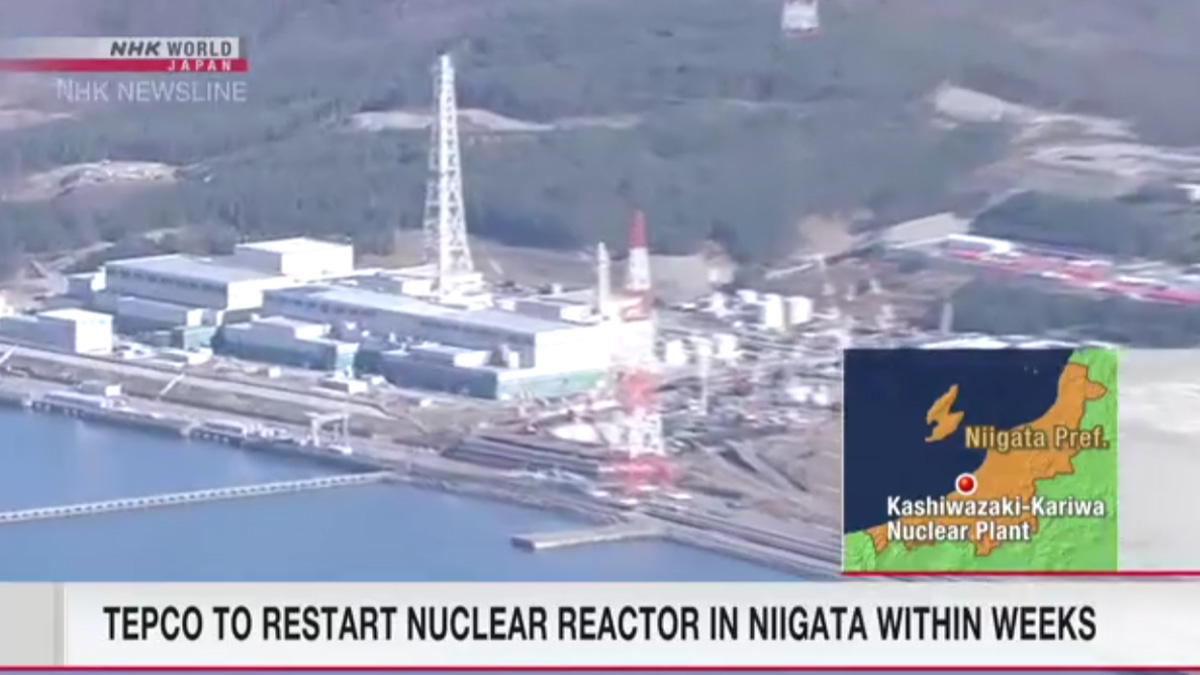
- The Niigata Prefectural Assembly passed a confidence vote in Governor Hideyo Hanazumi, enabling the restart of the Kashiwazaki-Kariwa nuclear power plant.
- The plant, run by TEPCO, is set to be the first restarted facility under the operator since the 2011 Fukushima disaster.
- Despite government support and economic incentives, significant public opposition remains, citing safety and trust concerns.
On 22 December, 2025, Japan took a decisive step toward restarting nuclear power with the Niigata Prefectural Assembly’s approval of a supplemental budget tied to the reopening of the Kashiwazaki-Kariwa nuclear power plant — the largest in the world by capacity.
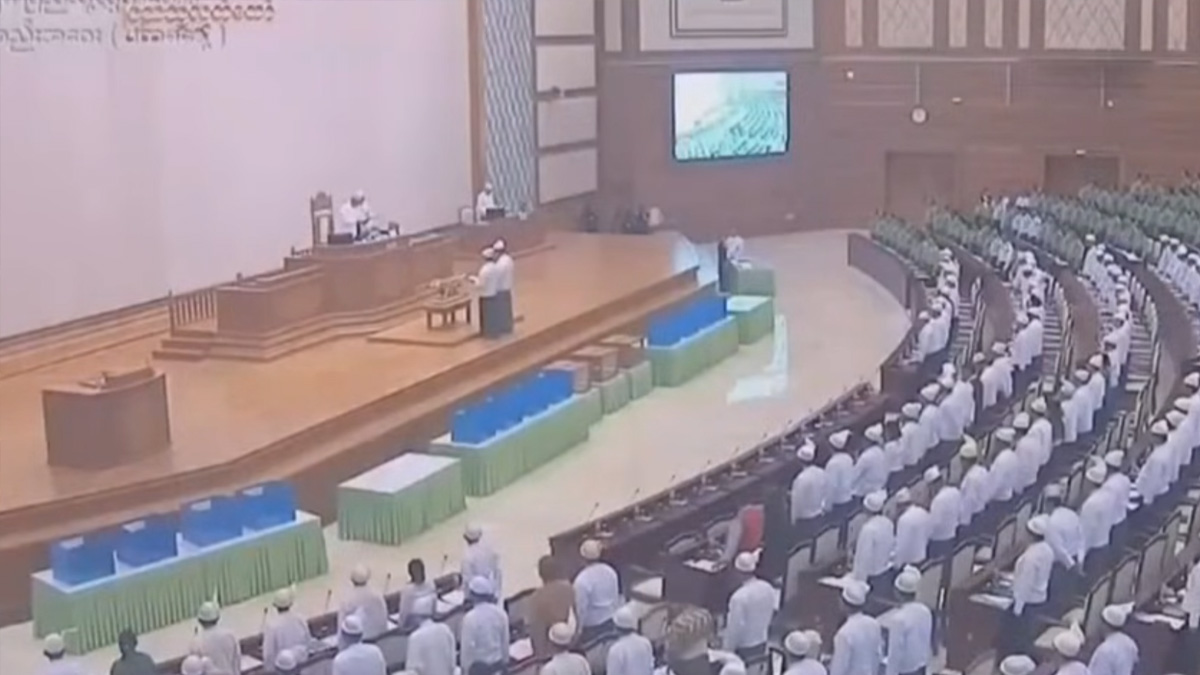
The vote served as a de facto endorsement of Governor Hideyo Hanazumi’s support for the restart, and a symbolic moment in Japan’s nuclear revival, 14 years after the Fukushima disaster.
The vote, a fiscal measure funding safety education and nuclear risk communication, passed with broad support. The motion was proposed by a group of eight assembly members and backed by at least 30 named supporters.
While the assembly does not publish full roll-call votes for all budget items, the list of proposers and explicit supporters signals a significant majority.
Among the proposers were Takahashi Naoki, Nakagawa Ryuichi, and Koyama Taishi. Supporters included Araki Noriko, Kurihara Manabu, and Yoshida Takashi, among others.
The proposal, and the accompanying resolution passed the same day, reflect the culmination of Governor Hanazumi’s public stance and months-long deliberation.
The resolution acknowledged the governor’s “readiness to stake his position” on ensuring public safety and nuclear oversight. It also affirmed the legitimacy of the prefecture’s representative institutions in reaching a conclusion after consultations with residents, local governments, and ministries.
The resolution explicitly recognised that the governor had sought national confirmation on seven key conditions for understanding the restart — including safety, emergency preparedness, and public trust — and had incorporated those into the budget.
The plant, operated by Tokyo Electric Power Company (TEPCO), has been offline since 2011, when the Fukushima Dai-ichi plant was severely damaged in the earthquake and tsunami.
Kashiwazaki-Kariwa will be the first restarted plant under TEPCO’s management since that disaster.
Public broadcaster NHK reported that the first reactor at the site — one of seven totalling 8.2 gigawatts — may be reactivated as early as 20 January, 2026. A second unit is expected to follow by 2030.
Despite the prefectural endorsement, protests and public resistance remain strong.
Roughly 300 residents gathered outside the assembly holding signs reading “No Nukes” and “Support Fukushima.” Many expressed fears that safety remains unresolved.
“I am truly angry from the bottom of my heart,” said 77-year-old protester Kenichiro Ishiyama. “If something happens, we are the ones who will suffer.”
Ayako Oga, a 52-year-old farmer who fled Fukushima in 2011 and now lives in Niigata, recalled how her former hometown remains uninhabitable.
“We know firsthand the risk of a nuclear accident,” she said. “We cannot dismiss it.”
Despite the opposition, Hanazumi described the vote as both consequential and incomplete.
“This is a milestone, but not the end,” he told reporters. “There is no end to ensuring the safety of Niigata residents.”
He also stated his personal hope that Japan will eventually move away from reliance on nuclear power altogether.
The supplemental budget tied to the restart includes funding for a nuclear risk communication and disaster-preparedness campaign. It is financed by national government subsidies granted only after a restart begins.
The prefectural resolution also called on the assembly to fully exercise its oversight functions, particularly in holding TEPCO and the national government accountable to the seven conditions cited in Hanazumi’s restart approval.
The conditions include enhanced disaster response measures, credible safety standards, transparency on operational risks, and improved trust-building with Tokyo and eight surrounding prefectures that will consume the electricity.
This geographical tension — between rural nuclear host regions and urban consumers — reflects a dynamic long rooted in Japan’s energy politics.
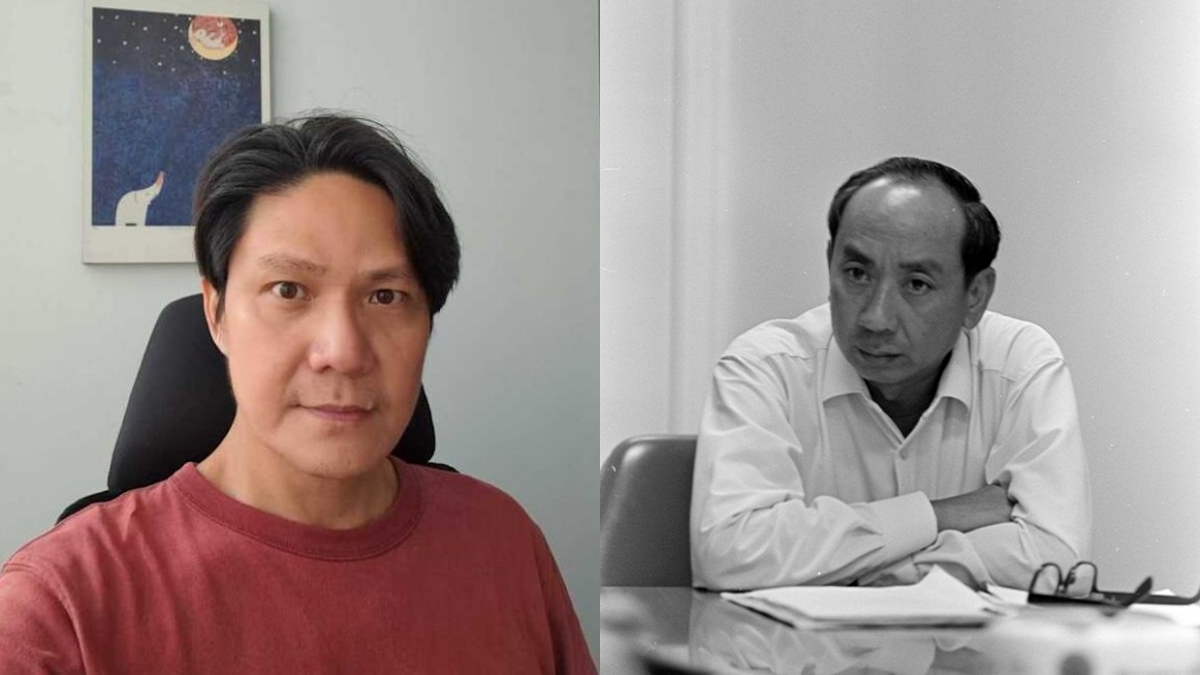
Former Prime Minister Kakuei Tanaka, who hailed from Niigata, famously lamented, “Why do people have to put up with pollution and other ills from generating power that’s not even for their own use, but only for people living in the big cities?”
Tanaka, who normalised diplomatic ties with China on 22 December 1972, just before the 1973 oil shock, had rapidly advanced Japan’s nuclear infrastructure as an alternative to imported oil.
He introduced generous subsidies to incentivise rural prefectures to host nuclear plants — a system still in effect today.
It was during his tenure that the foundation of the Kashiwazaki-Kariwa plant was laid, literally and politically, in the sand dunes of Niigata.
Today, many see that legacy continuing, even amid the trauma of Fukushima.
TEPCO, struggling financially due to compensation claims and idle assets, has promised to inject ¥100 billion (approx. US$641 million) into Niigata over 10 years in a bid to regain trust.
A public survey published by the prefecture in October showed that 60% of residents felt conditions for restarting the plant had not yet been met.
Nearly 70% voiced concern over TEPCO’s ability to operate the plant safely.
TEPCO spokesperson Masakatsu Takata reaffirmed the utility’s commitment to safety but declined to specify a restart date.
Prime Minister Sanae Takaichi, in office since October, supports nuclear restarts as part of Japan’s decarbonisation and energy security strategy.
Japan spent ¥10.7 trillion (US$68.48 billion) in 2024 on fossil fuel imports, and the government aims to double the share of nuclear in the national energy mix to 20% by 2040.
While urban centres like Tokyo may soon benefit from a more stable electricity supply, rural host communities must once again shoulder the risks.
As Governor Hanazumi and assembly members navigate public sentiment, the legacy of Tanaka’s nuclear vision — and its moral paradoxes — remains keenly felt.