Takaichi dissolves Lower House for 8 February snap election to seek mandate
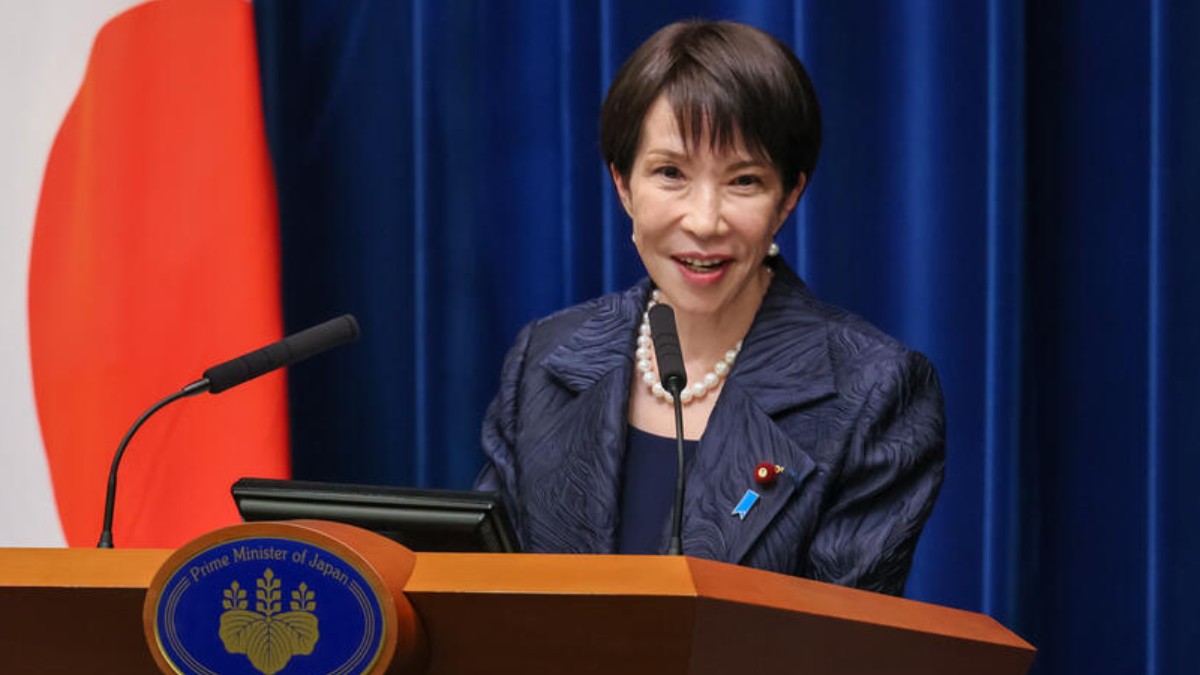
Prime Minister Sanae Takaichi has dissolved Japan’s Lower House, calling a snap election on 8 February to seek a public mandate for her leadership and cement her coalition’s position, despite concerns over a delayed national budget and harsh winter campaigning conditions.
- Prime Minister Sanae Takaichi has dissolved Japan’s Lower House, calling a snap election for 8 February.
- The election seeks to secure a public mandate for her leadership and her coalition with the Japan Innovation Party.
- The decision delays crucial budget deliberations, with the fiscal deadline looming on 31 March.
Prime Minister Sanae Takaichi dissolved the Lower House of Japan’s National Diet on Friday, 23 January 2026, triggering a snap general election scheduled for 8 February.
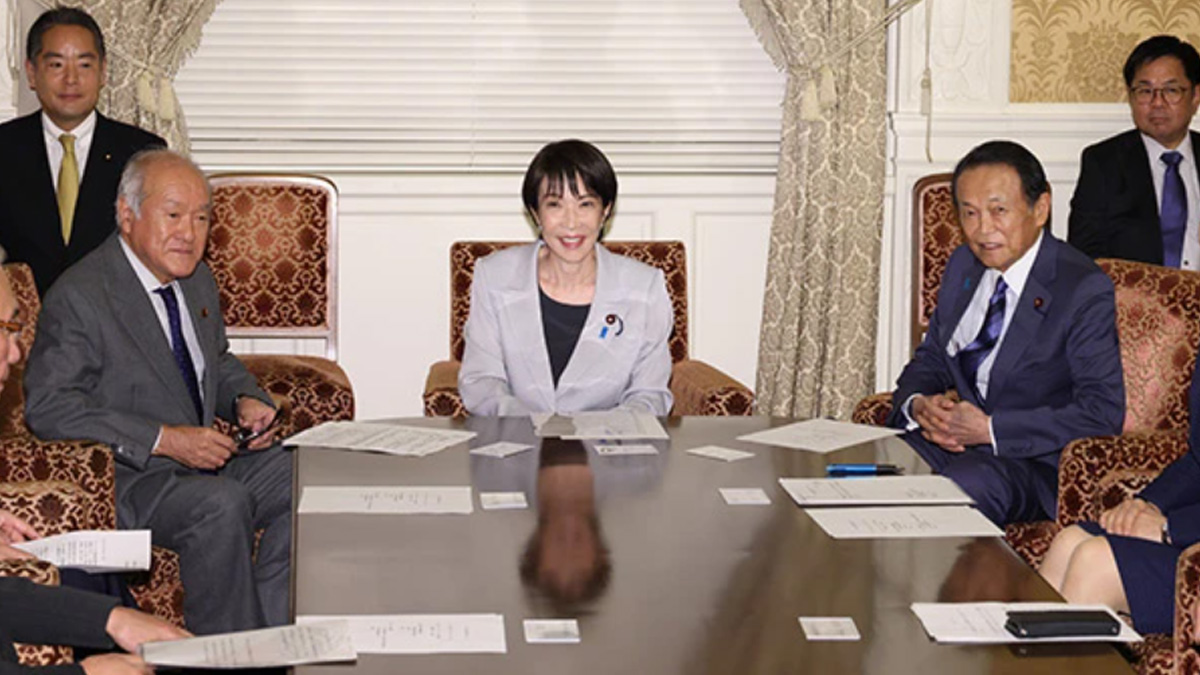
The decision, announced just three months into her term, is a bid to consolidate her position at the head of a new ruling coalition between her Liberal Democratic Party (LDP) and the right-leaning Japan Innovation Party (JIP), also known as Nippon Ishin no Kai.
Takaichi, who became Japan’s first female prime minister in October 2025, took over the LDP leadership following its loss of long-time coalition partner Komeito. Komeito left the government after 26 years, citing ideological differences and concerns over corruption reforms.
The JIP supported Takaichi’s rise to the premiership in exchange for a policy agreement, forming a new coalition that held just 233 seats in the 465-seat Lower House — a slim majority that left the administration politically vulnerable.
Now, with personal approval ratings nearing 70% in national polls, Takaichi is seeking a popular mandate to press forward with her agenda. The LDP itself, however, remains weakened by a series of scandals and faces growing competition from opposition parties and emerging populist factions.
This will be the first February snap election since 1990, a move that risks delaying parliamentary approval of the national budget, which must be passed by 31 March, the end of Japan’s fiscal year.
Opposition leaders have criticised the timing, arguing that the election disrupts crucial fiscal deliberations. The campaign will run for 12 days, officially starting on Tuesday, 27 January, leaving candidates with limited time during Japan’s winter season to engage voters.
Key issues expected to dominate campaigning include tackling inflation, potential cuts to consumption tax on food, social security reform, and national defence.
Takaichi has pledged increased support for low-income households and aims to boost military spending, ease arms export restrictions, and expand the domestic defence industry.
Her foreign policy stance, particularly on Taiwan, has contributed to rising tensions with China. Recent remarks suggesting Japan might respond if China took military action against Taiwan prompted diplomatic pushback and economic retaliation from Beijing.
In parallel, former US President Donald Trump has reportedly urged Japan to increase defence spending, amid intensifying US-China military rivalry in the region.
The election also serves as a first test for the Centrist Reform Alliance, an opposition bloc hastily formed between the Constitutional Democratic Party of Japan (CDP) and Komeito. The alliance, co-led by Yoshihiko Noda and Tetsuo Saito, aims to provide a moderate alternative to Takaichi’s conservative platform.
At a joint press conference, the leaders promised a “people-first” agenda focused on social inclusion, gender equality, and realistic defence policies — while advocating a nuclear weapons-free world.
Despite their late start and weak early polling, Komeito’s mobilisation strength, particularly through its association with the Soka Gakkai religious group, could translate into strong vote turnout.
Voters will select representatives for 289 single-member district seats and 176 proportional representation seats, the latter allocated based on party vote share.
Takaichi has framed the election as a referendum on her leadership. “I believe that the only option is for the people, as sovereign citizens, to decide whether Sanae Takaichi should be prime minister,” she said at a press conference on Monday. “I’m staking my career as prime minister on it.”
Her domestic policies also include tighter immigration regulations, a response to rising anti-foreign sentiment. Recent LDP proposals include capping the number of foreign residents and placing stricter rules on foreign property ownership.
These moves have sparked concern among rights groups and political opponents, who view them as nationalistic and potentially harmful to Japan’s international image.
Complicating campaigning are winter conditions in regions such as Hokkaido, where snowfall and freezing temperatures are expected. Election officials are urging voters in affected areas to make use of early voting options to avoid disruption on 8 February.
While the LDP-JIP coalition is counting on Takaichi’s popularity to deliver a majority, the political landscape remains uncertain. The party continues to lose support to populist challengers like Sanseito, which has drawn former LDP voters with its anti-globalist messaging.
Analysts warn that a fragmented opposition still lacks cohesion, but discontent with mainstream parties could lead to unpredictable results.
The 8 February election may determine not only whether Takaichi can govern decisively, but also whether Japan’s political realignment takes a firmer conservative turn — or drifts further into fragmentation.