Japanese PM plans snap election on 8 February to seek mandate for spending agenda
Japan’s Prime Minister Sanae Takaichi will dissolve parliament on 23 January 2026 and call a snap election on 8 February, seeking voter backing for her spending plans amid economic concerns and rising regional tensions.
- Prime Minister Sanae Takaichi will dissolve parliament on 23 January 2026, triggering a snap election on 8 February.
- The election will test public support for higher government spending, including a proposed temporary cut to consumption tax on food.
- The vote comes amid economic concerns, market volatility, and strained relations with China.
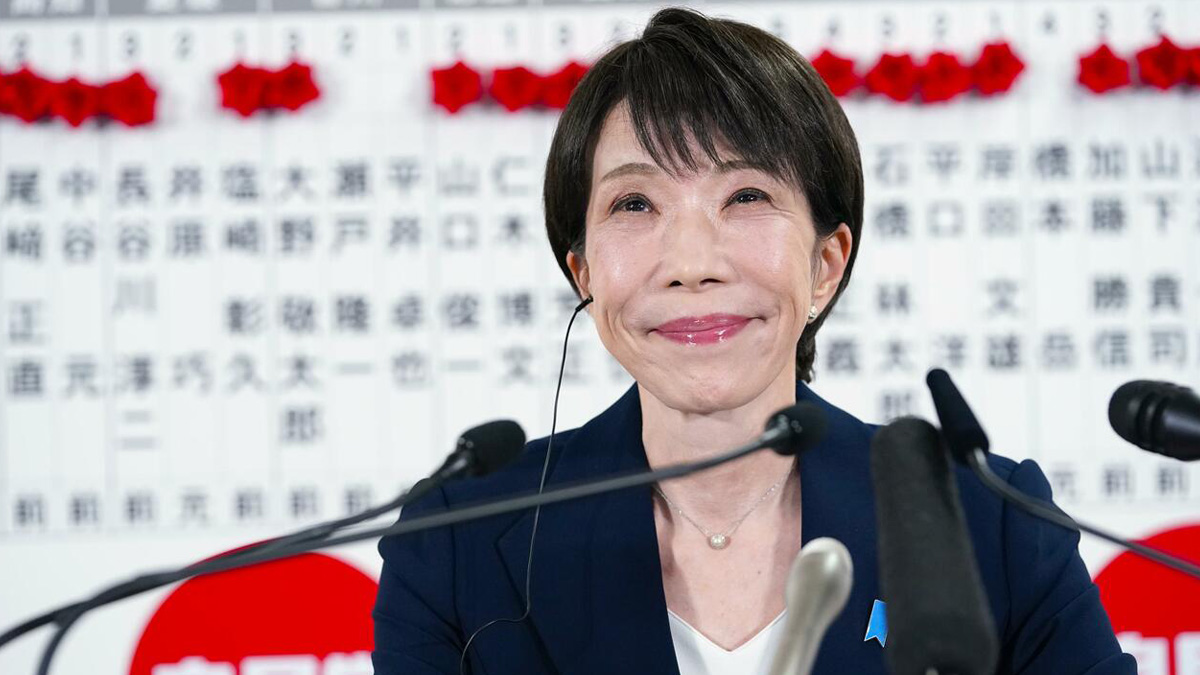
Japan’s Prime Minister, Sanae Takaichi, has announced plans to dissolve the lower house of parliament on 23 January 2026 and call a snap general election on 8 February, seeking voter backing for her economic and policy agenda.
The decision, announced on 19 January, comes just three months after Takaichi took office as the country’s first female prime minister. The election will determine all 465 seats in the lower house and mark her first nationwide electoral test.
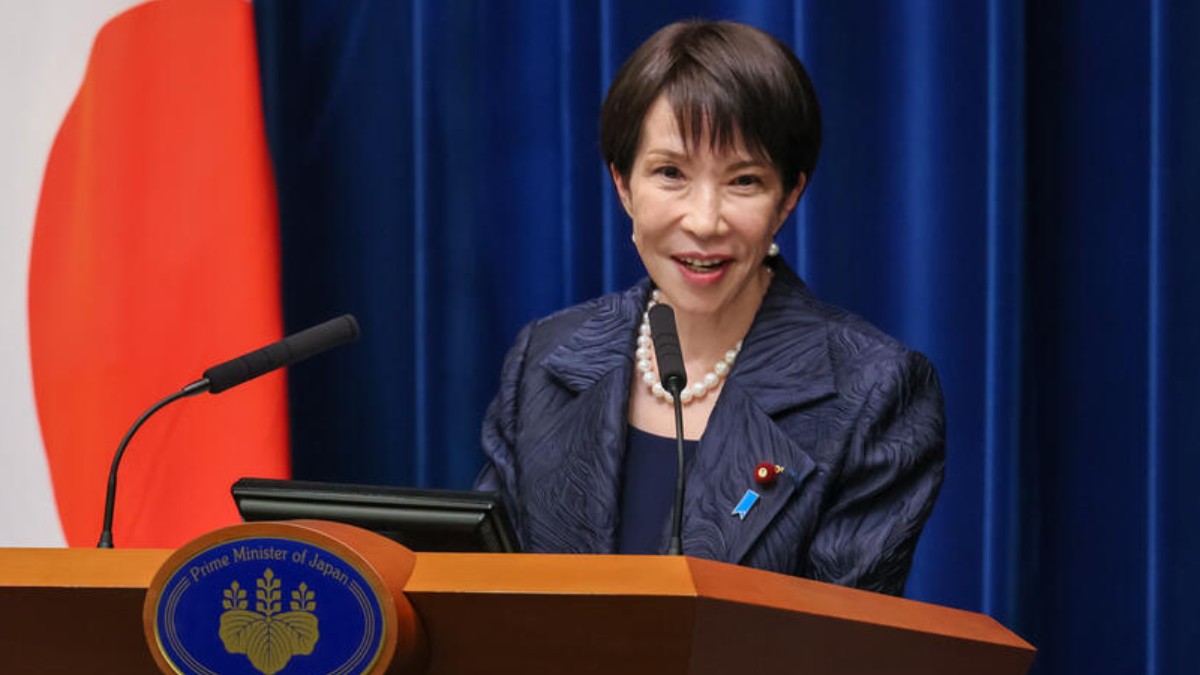
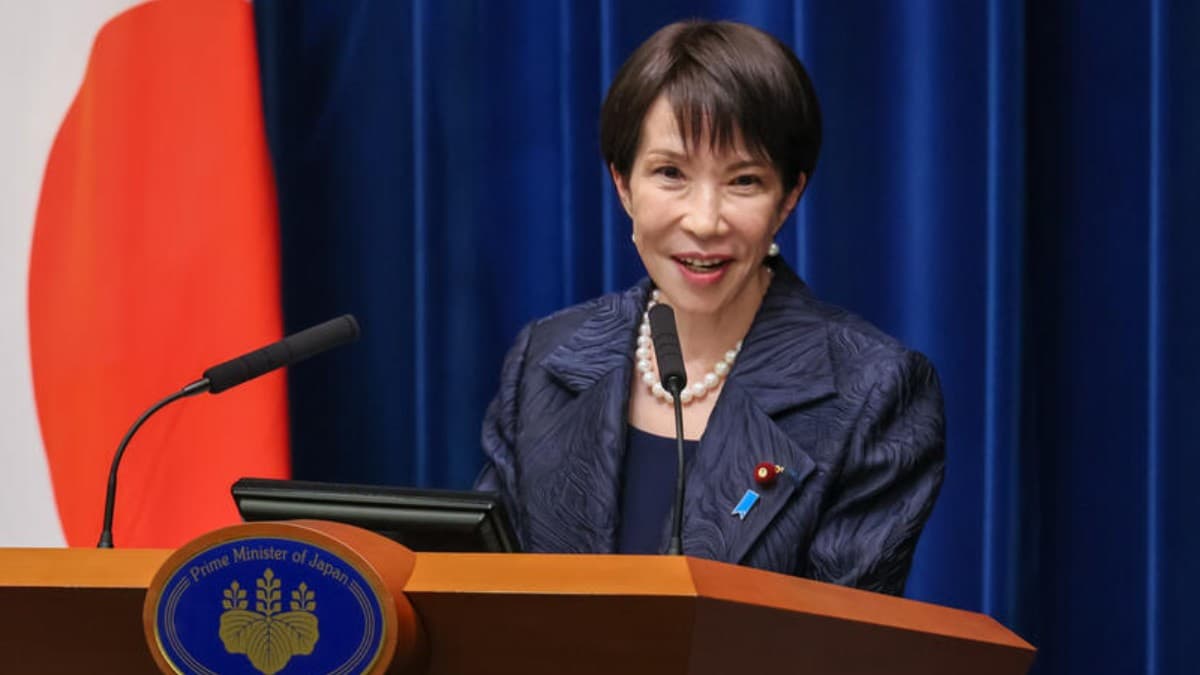
“Today, I, as the prime minister, have decided to dissolve the lower house on January 23,” Takaichi said at a news conference, outlining the timetable for the snap vote.
Interestingly, Japan’s snap general election on 8 February 2026 falls on the same day that Thailand is also set to hold its national parliamentary election.
Calling an early election is widely seen as an attempt to capitalise on relatively strong public support and to consolidate her leadership within the ruling Liberal Democratic Party.
It may also help stabilise her coalition’s narrow parliamentary majority.
The campaign is expected to focus heavily on economic issues, particularly the rising cost of living, which has emerged as the top concern for voters.
According to a recent poll by public broadcaster NHK, 45 per cent of respondents cited price increases as their primary worry.
Diplomacy and national security ranked a distant second in the same survey, with 16 per cent of respondents identifying them as their main concern. The findings highlight the political risks facing the government as it proposes significant fiscal measures.
Takaichi has pledged a two-year suspension of the 8 per cent consumption tax on food, arguing that the measure would ease household financial pressure. She said the broader spending package would create jobs, boost consumption, and ultimately generate higher tax revenues elsewhere.
According to government estimates cited in official briefings, the proposed tax cut would reduce annual government revenue by approximately US$32 billion. The prospect of lower revenue has unsettled financial markets.
Earlier this week, the yield on Japan’s 10-year government bonds rose to its highest level in 27 years, reflecting investor concerns about fiscal sustainability. Market reaction underscored the sensitivity surrounding public debt and spending commitments.
Equity markets, however, reacted more positively. Tokyo shares rose more than 3 per cent on Tuesday amid speculation that the prime minister would call an early election to strengthen her political mandate.
Analysts suggested that a clear electoral victory for Takaichi and the Liberal Democratic Party could provide greater policy stability. Some also argued it might strengthen Japan’s hand in dealing with diplomatic challenges in the region.
NHK reported last week that the prime minister had been weighing the timing of snap elections in light of her diplomatic schedule.
The announcement followed a series of high-profile engagements.
On 13 January, Takaichi hosted South Korean President Lee Jae Myung in her hometown of Nara, where the two leaders discussed security cooperation and economic ties. The meeting was seen as an effort to reinforce regional partnerships.
Relations with China have become increasingly strained under Takaichi’s leadership.
Ties deteriorated sharply after she suggested in November that Japan could intervene militarily if China were to attack Taiwan, the self-ruled island Beijing claims as its own.
In response, Beijing announced a broad ban on exports of so-called dual-use goods to Japan, items that could have both civilian and military applications. Chinese authorities have also reportedly restricted exports of rare-earth products vital for advanced manufacturing.
These measures have raised concerns within Japanese industry, particularly among manufacturers of electric vehicles, electronics, and defence-related equipment. The restrictions have added a geopolitical dimension to the upcoming election campaign.
Despite the tensions, Takaichi has signalled a willingness to engage diplomatically. Last month, she said she was “always open” to dialogue with China, even as her government maintains a firm stance on regional security issues.