Malaysia High Court convicts Najib Razak on all abuse of power charges linked to 1MDB
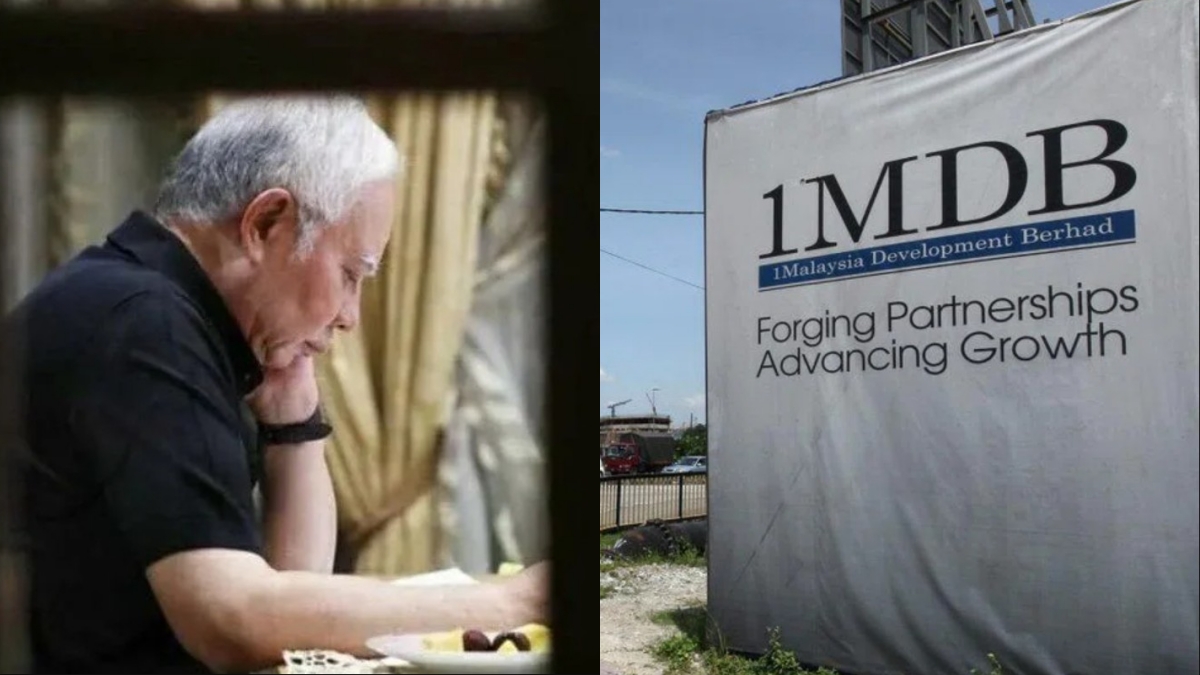
Malaysia’s High Court has found former prime minister Najib Abdul Razak guilty on all four abuse of power charges linked to the 1MDB scandal. The ruling follows a seven-year trial and adds to Najib’s existing prison sentence stemming from earlier 1MDB-related convictions.
- Malaysia's High Court convicted former prime minister Najib Abdul Razak on all four abuse of power charges linked to 1MDB funds on 26 December 2025.
- The court rejected claims that RM2.3 billion constituted political donations, finding key documents unverified and fabricated.
- The ruling follows a seven-year trial and adds to Najib’s existing prison sentence stemming from earlier 1MDB-related convictions.
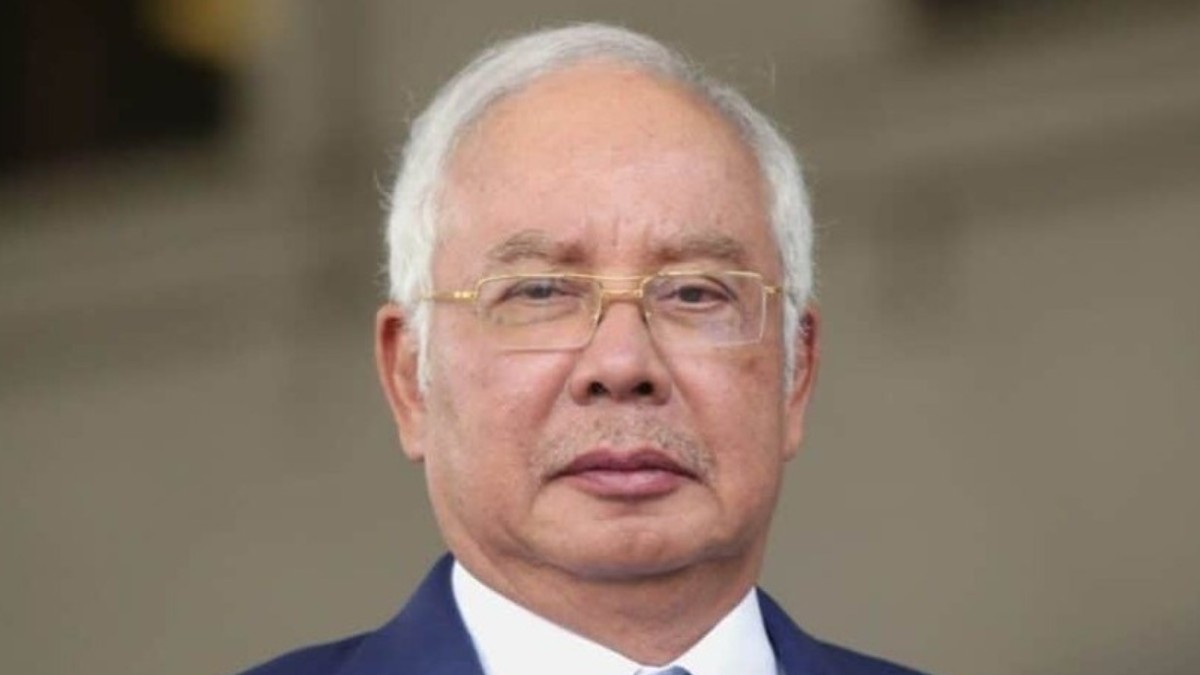
PUTRAJAYA, MALAYSIA: Malaysia’s High Court on Friday, 26 December 2025, convicted former prime minister Najib Abdul Razak on all four charges of abuse of power linked to funds misappropriated from 1Malaysia Development Berhad (1MDB).
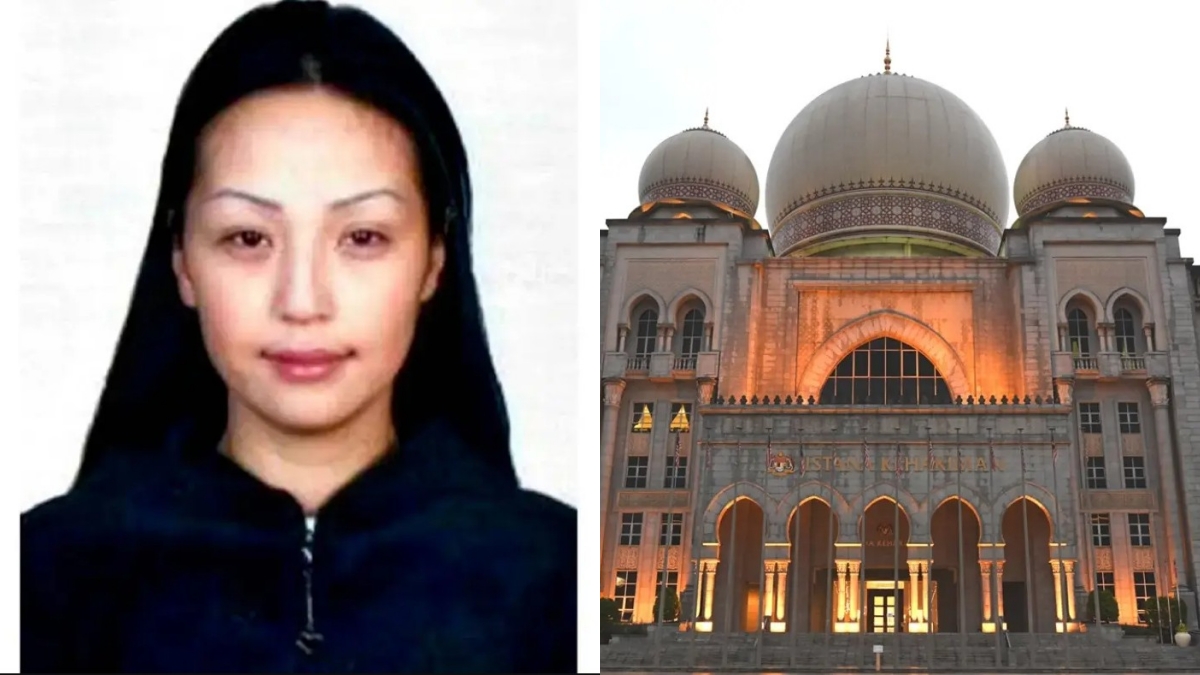
The ruling was delivered by Justice Collin Lawrence Sequerah at the Palace of Justice in Putrajaya, bringing to a close a marathon trial that lasted seven years.
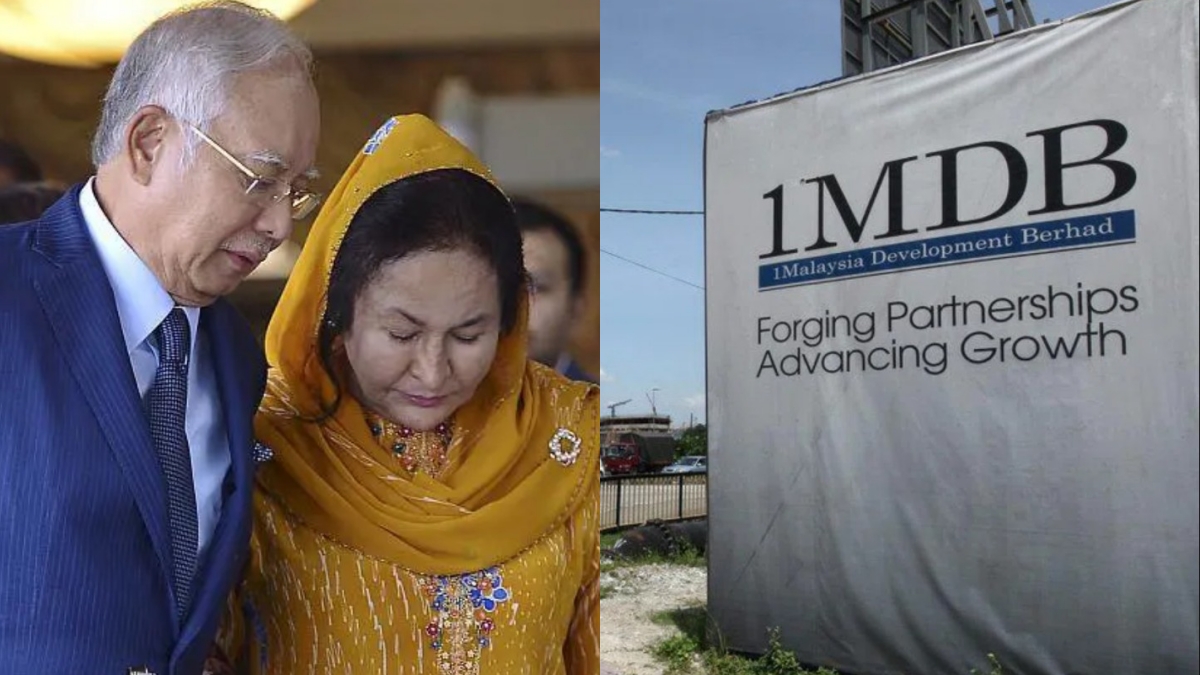
Prosecutors said Najib abused his positions as prime minister, finance minister and chairman of 1MDB’s advisory board to siphon approximately RM2.3 billion, equivalent to about US$568 million, from the state fund into his personal accounts.
Court finds abuse of power beyond reasonable doubt
Justice Sequerah said the prosecution had proven its case beyond reasonable doubt, finding that Najib had knowledge of and control over the funds and that the transactions could not be explained as legitimate political donations.
The court rejected defence arguments that Najib had been misled by advisers or that the charges were politically motivated, describing the evidence against him as overwhelming.
Najib, 72, had faced four counts of abuse of power and 21 counts of money laundering over the illegal transfer of about RM2.2 billion from 1MDB.
The court also found him guilty on two criminal breach of trust charges linked to the same fund.
Evidence highlights role of Jho Low
In his written and oral grounds, Justice Sequerah said the prosecution had clearly established Najib’s central role in the movement of funds over which he exercised authority.
“The evidence clearly points to the fact that this was no coincidence,” the judge said, describing a relationship in which financier Low Taek Jho, also known as Jho Low, operated as Najib’s proxy in managing 1MDB affairs.
The judge added that Najib’s attempts to distance himself from Low “rang hollow” in light of testimony from prosecution witnesses and documentary evidence presented during the trial.
Justice Sequerah said Najib’s failure to report Low’s activities amounted to condonation, given the power and authority Najib wielded at the time.
“[Najib] was no country bumpkin,” the judge said, noting his political pedigree, academic background and long experience in government administration.
Donation defence rejected as fabricated
A central plank of the defence was that the RM2.3 billion received by Najib constituted political donations from Saudi Arabia. On 26 December, Justice Sequerah rejected this claim.
The judge found that purported Arab donation letters relied upon by the defence were fabricated and unverified, casting doubt on their authenticity and credibility.
He said this conclusion was supported by testimony from former AmBank relationship manager Joanna Yu Ging Ping and former 1MDB general counsel Jasmine Loo Ai Swan.
Justice Sequerah noted that Ms Loo testified to seeing a draft of one donation letter on a computer screen at a hotel in Mayfair, London, which at the time lacked a signature and date.
“The fourth letter does not have a date despite having an AmBank emblem stamp,” the judge said, adding that the entire set of correspondence was “highly questionable”.
Najib’s defence team, led by Muhammad Shafee Abdullah, had consistently denied wrongdoing and argued that Najib was deceived by Low, whom they described as the main architect of the 1MDB scandal.
Low remains at large and is wanted by authorities in Malaysia, the United States and Singapore in connection with the case.
Background to Najib’s convictions and imprisonment
The seven-year proceedings saw lawyers call 76 witnesses, including Najib himself, reflecting the scale and complexity of one of Malaysia’s largest corruption trials.
Najib is currently held at Kajang Prison, where he is serving a reduced six-year sentence following an earlier conviction linked to a former 1MDB subsidiary.
In 2020, Najib was found guilty of misappropriating around US$9.9 million in 1MDB-related funds and was sentenced to 12 years’ imprisonment, later commuted following a partial royal pardon.
Two years later, he became the first former Malaysian prime minister to be jailed after exhausting all appeals.
Earlier this week, a Malaysian court rejected Najib’s bid for house arrest, ruling that a purported addendum by former king Sultan Abdullah Ahmad Shah had no legal force as it was not deliberated by the Pardons Board.
Global fallout from the 1MDB scandal
The 1MDB scandal, which erupted more than a decade ago, saw billions of dollars allegedly siphoned off and laundered through a web of international transactions.
Investigators traced stolen funds to luxury real estate in New York and Los Angeles, a superyacht once owned by Low, and high-value artworks by artists including Monet and Van Gogh.
Some of the looted money was also used to finance the Hollywood film The Wolf of Wall Street, starring Leonardo DiCaprio. The actor later returned artworks and other gifts after US asset recovery proceedings.
At the height of the scandal, Malaysian authorities raided properties linked to Najib and his family, seizing luxury handbags, jewellery, watches and large sums of cash in multiple currencies.
Politically, the saga contributed to the collapse of Najib’s government in a shock election defeat in 2018, ending six decades of rule by the Barisan Nasional coalition.
In October 2024, Najib issued a rare public apology, saying it pained him daily that the 1MDB debacle occurred on his watch, though he stopped short of admitting direct responsibility.
Najib entered frontline politics at 23, later becoming one of Malaysia’s youngest ministers before assuming the premiership in 2009, a post he held until his electoral defeat.